Leuven
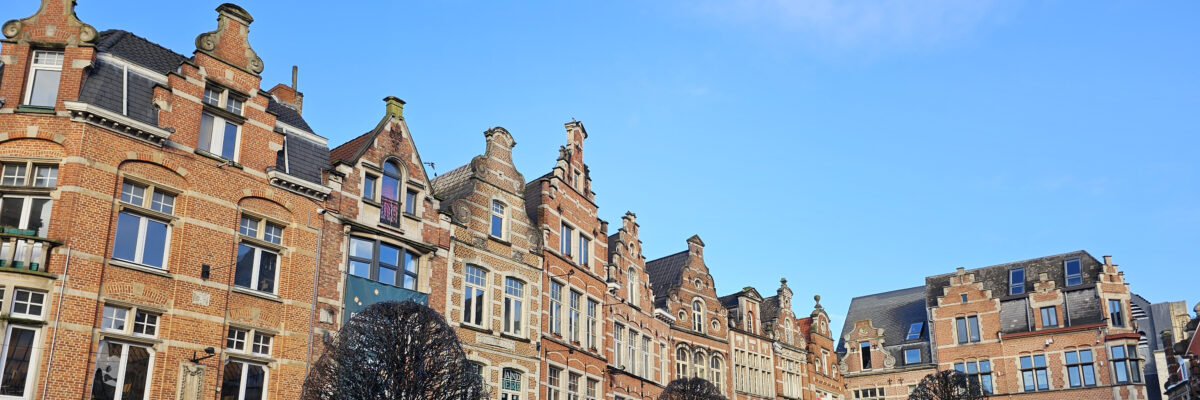
Leuven is east of Brussels and is known as a university city. It’s home to one of the oldest universities in Europe, the 600 year old KU Leuven.
For you people who love a brewery, Leuven is home to Stella Artois, and a host of breweries. Leuven is also the headquarters of AB inBev, the world’s largest brewer.
There’s also the longest bar on Oude Market which sadly I didn’t stay long enough to visit, but there’s always a next time when we’re passing.
I was staying in Brussels for a couple nights. It was my second time there and decided on a day trip. Leuven is a 40 minutes train ride from Brussels so it was a good option to explore another place in Belgium and get away from the huge over crowding in Brussels.
I last went for the New Year in 2017 and I don’t remember it being as over crowded as it was before.

St Peter’s Church
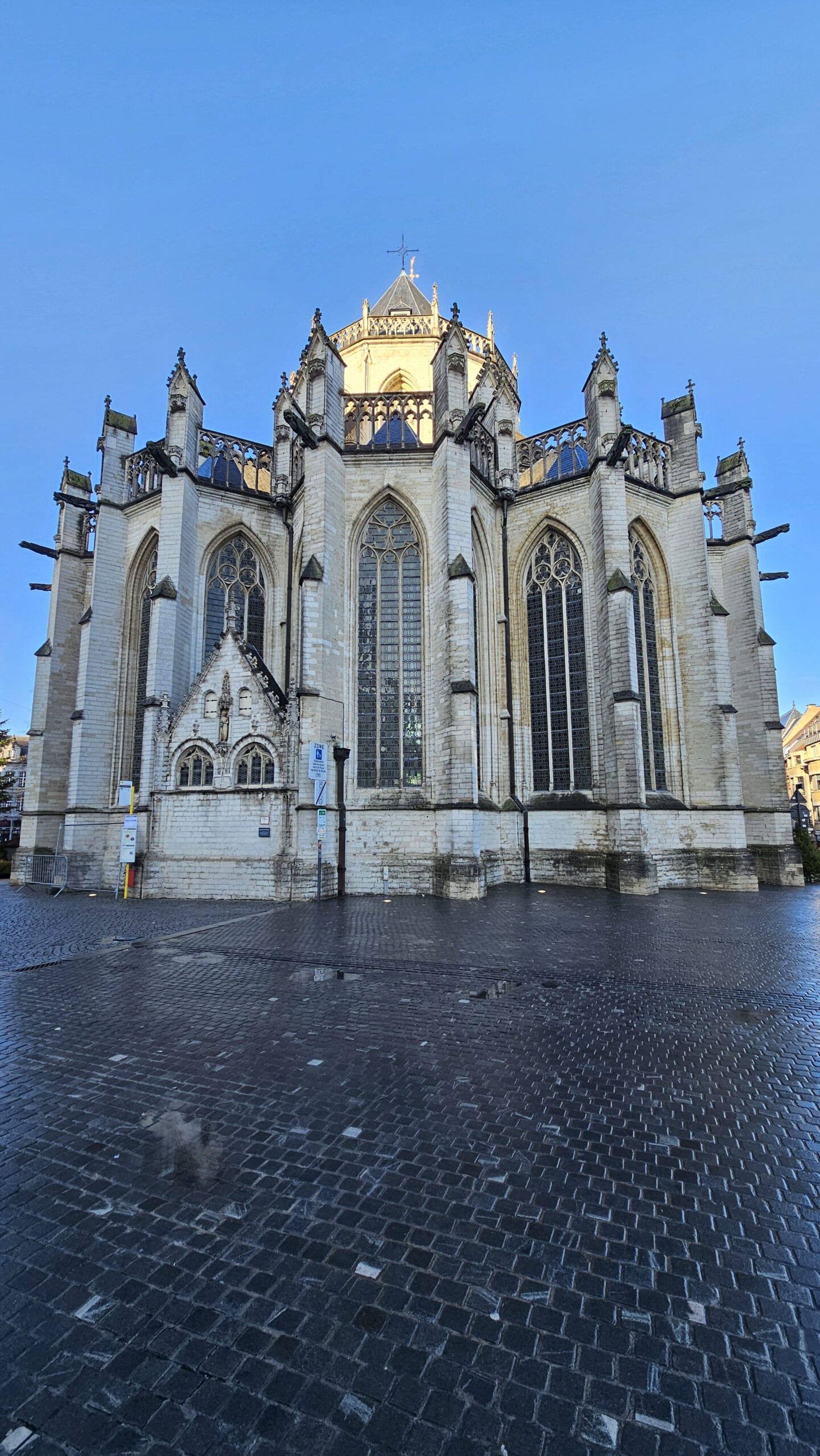
The Roman Catholic St Peter’s Church is the oldest church in Leuven.
It was originally built in 986 but was destroyed in a fire in 1176, before the present church was rebuilt in 1425.
St Peter’s has a significant place in Leuven’s history having suffered damage in a WWI attack from the Germans, and from Allied bombings in WWII.
In 2020, the church reopened after being restored. You can view a collection of artwork that’s kept in their original site.
Leuven Town Hall
Across from St Peter’s Church on Leuven’s Grote Markt is Leuven Town Hall. Built over a 30 year period in the 15th century, it’s famous for its ornate architecture.
The Town Hall is the pride and joy of the city. It’s one of the best known gothic town halls in the world.
Built during a time when Grote Markt was the new bustling square, the city of Leuven saw this and St Peter’s Church as a prestigious project which remained a work in progress to this day.
The façade has 236 statues which were added in the 19th. They depict key people from Leuven’s history from famous scholars, nobles and artists.
The Town Hall is currently undergoing renovation and restoration works, and will reopen in 2029.

Leduzeplein
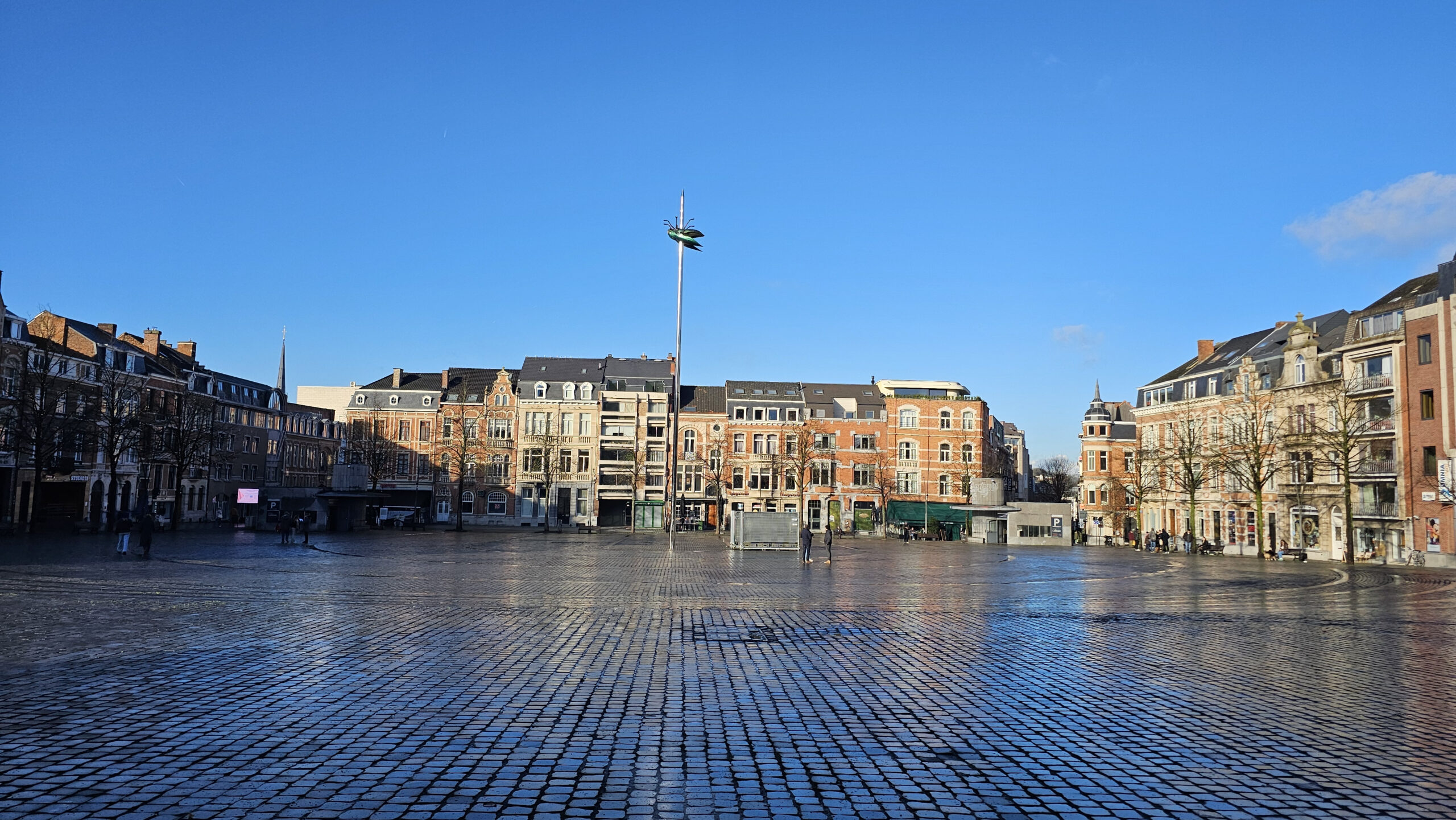
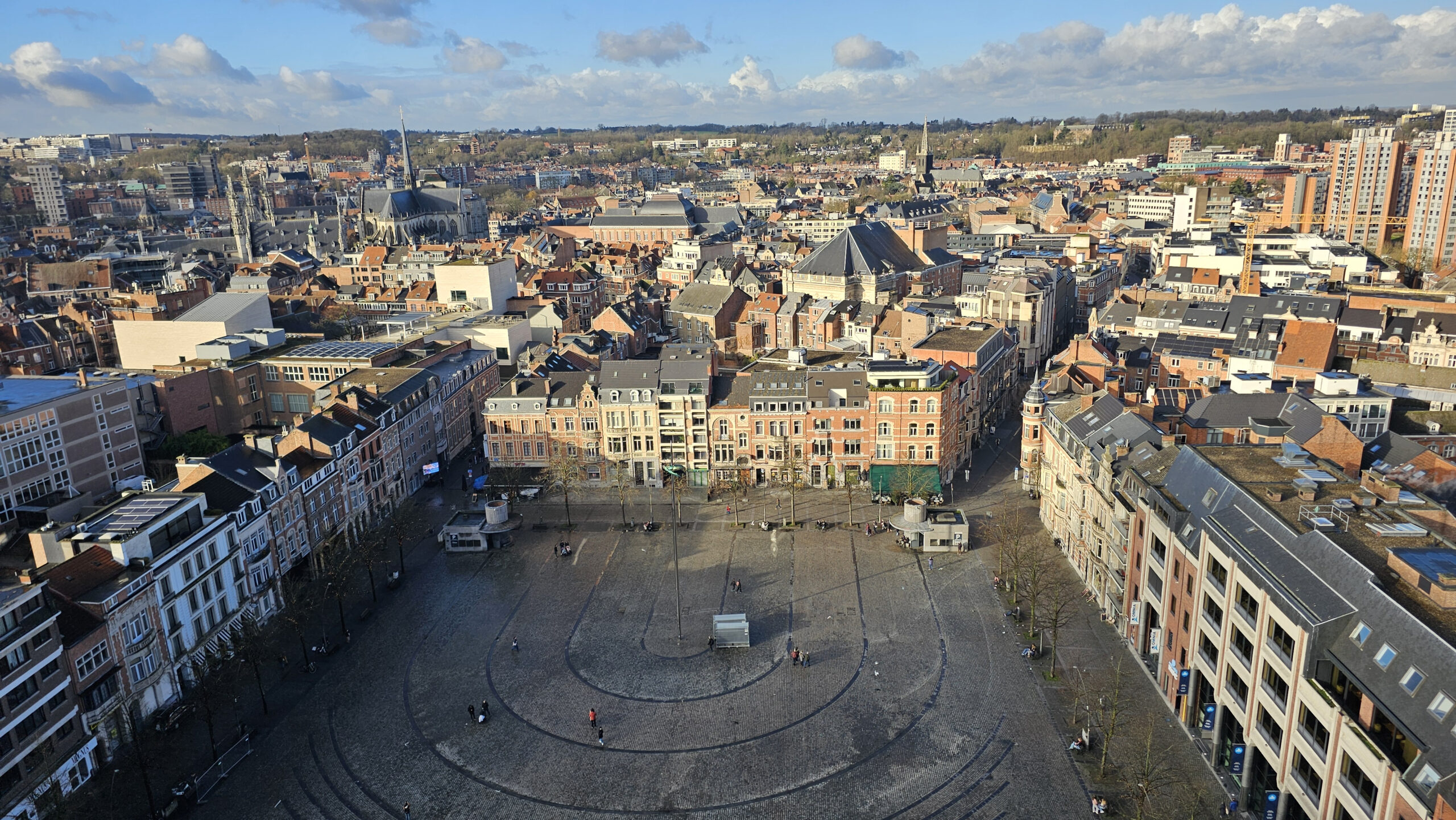
Leduzeplein is the largest square in Leuven. It use to be known as Volksplaats or People’s Palace.
After WWII, the square was named after Paulin Ladeuze, a former rector at Leuven’s Catholic University.
In the centre of the square you’ll notice the Totem sculpture by artist Jan Fabre of a big beetle impaled on a needle symbolising art and science.
Random? Yes. Why a beetle pieced on a needle? Not a clue.
Leduzeplein was originally a monastery site that was called Jerkalisse, then a wood market before becoming a public square in its current form.
Leduzeplein is a central hub for events, the Friday market, concerts and festivals in Leuven.
KU Leuven Library
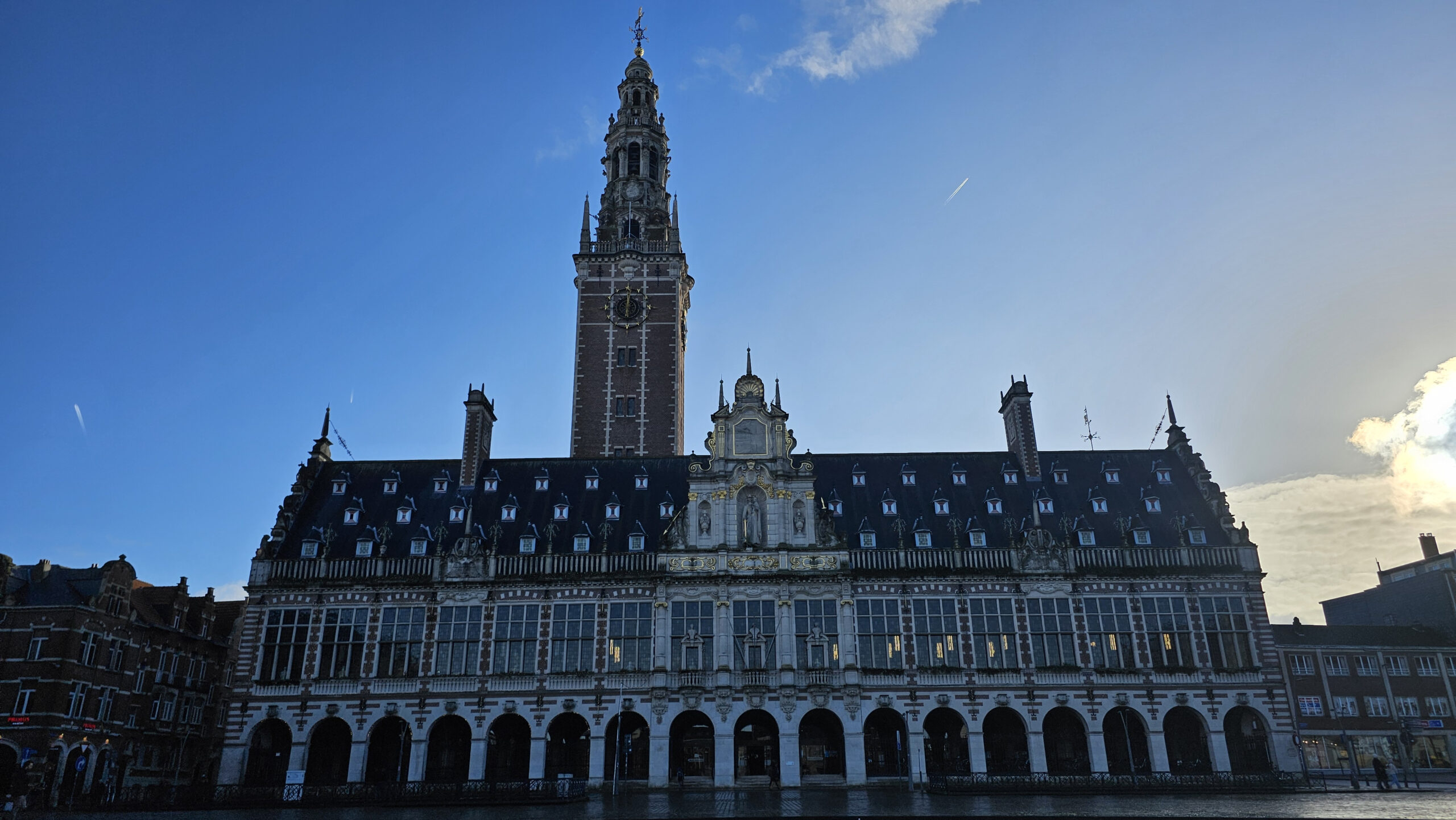
Also central to Leduzeplein is the KU Leuven University Library.
KU Leuven is the largest university in Belgium and the Low Countries, the largest Dutch language university in the world and a top 50 university in the world.
The library is a symbol of resilience. It was burnt down by the German occupying forces in 1914 during WWI, destroying historical manuscripts and books dating back centuries. The rebuilt library in 1921 was a gift from the Americans to the city of Leuven.
During WWII, German occupying forces destroyed the rebuilt university. After the war, it was rebuilt along with the original plans and has since been renovated from 1999 – 2003.
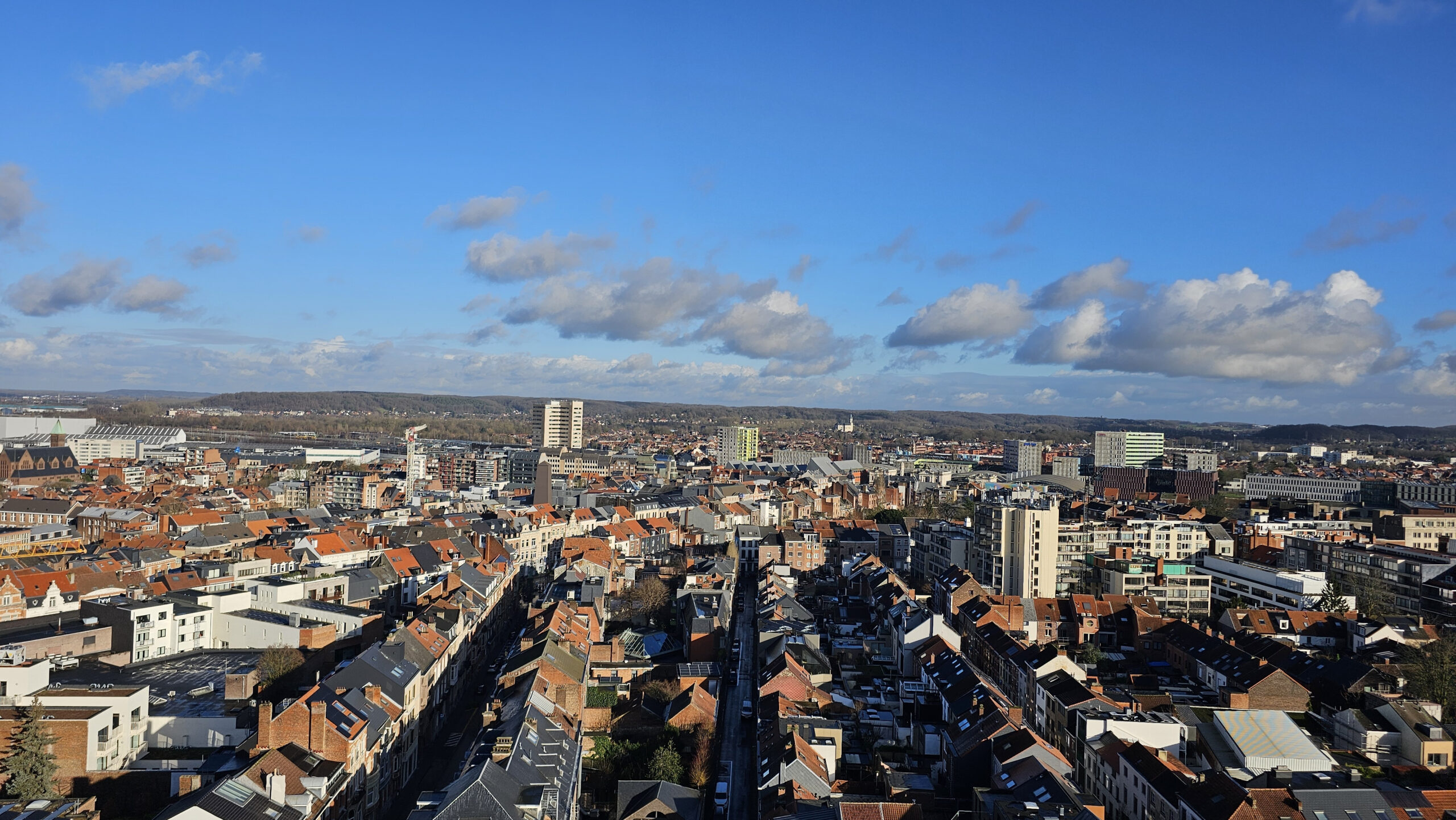
It’s a place worth visiting, whether you’re touring the library or going up the bell tower to see views of the city. On the way up you can see historical collections of things including charred books from 1914 and memorabilia from the fires.
There’s an exhibition of the wartime events over five floors in the bell tower.
Groot Begijnhof
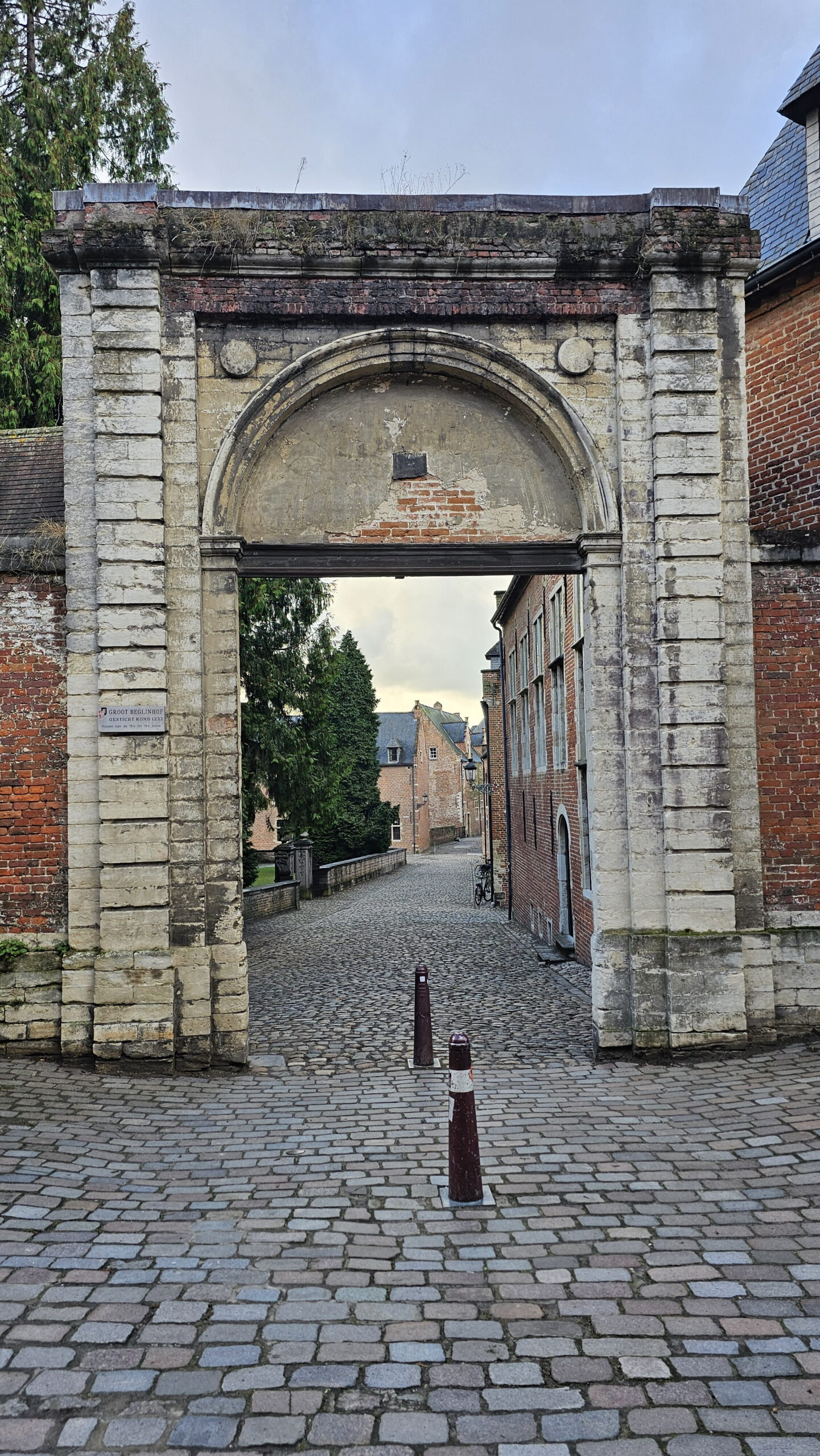
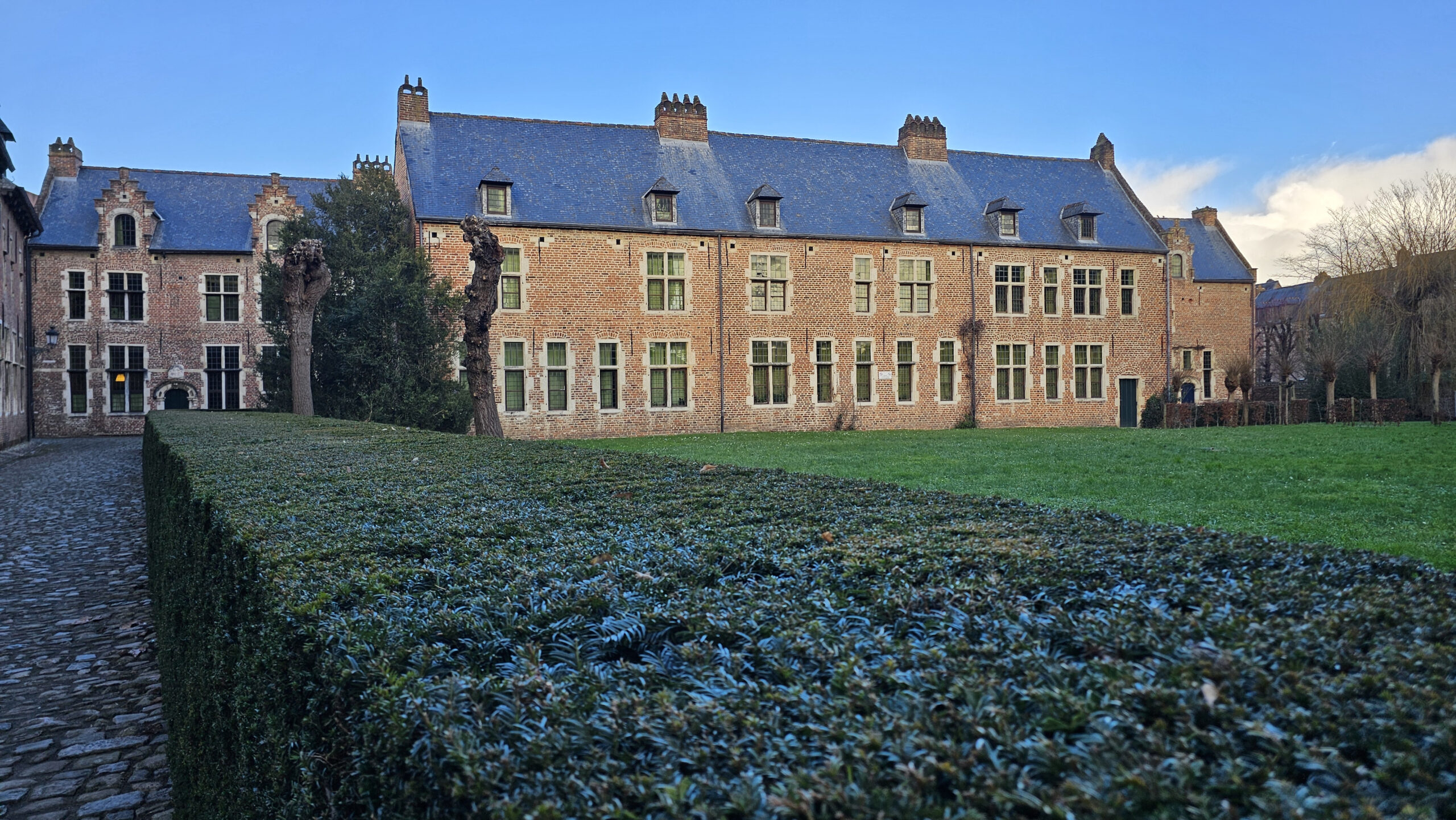
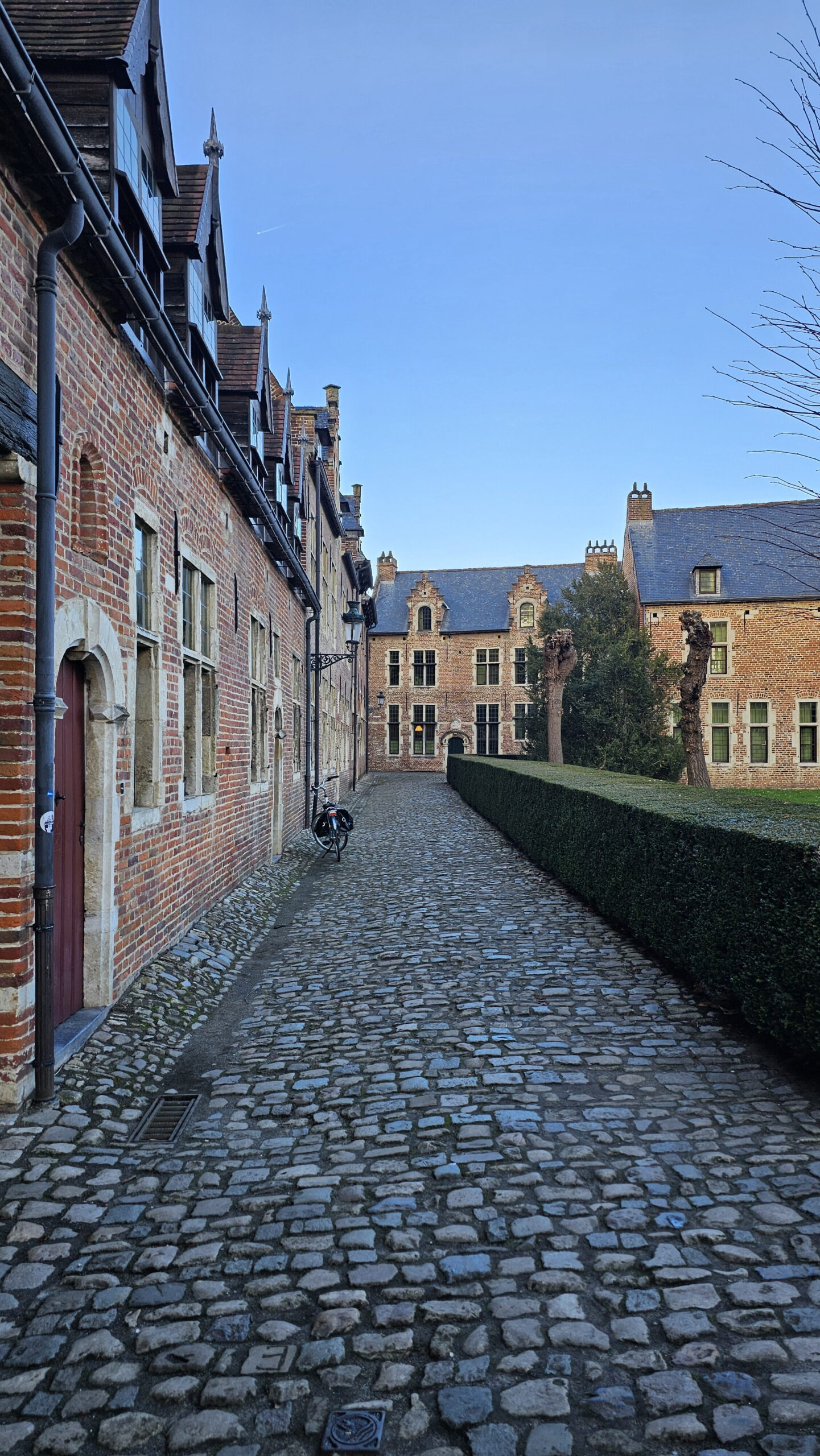
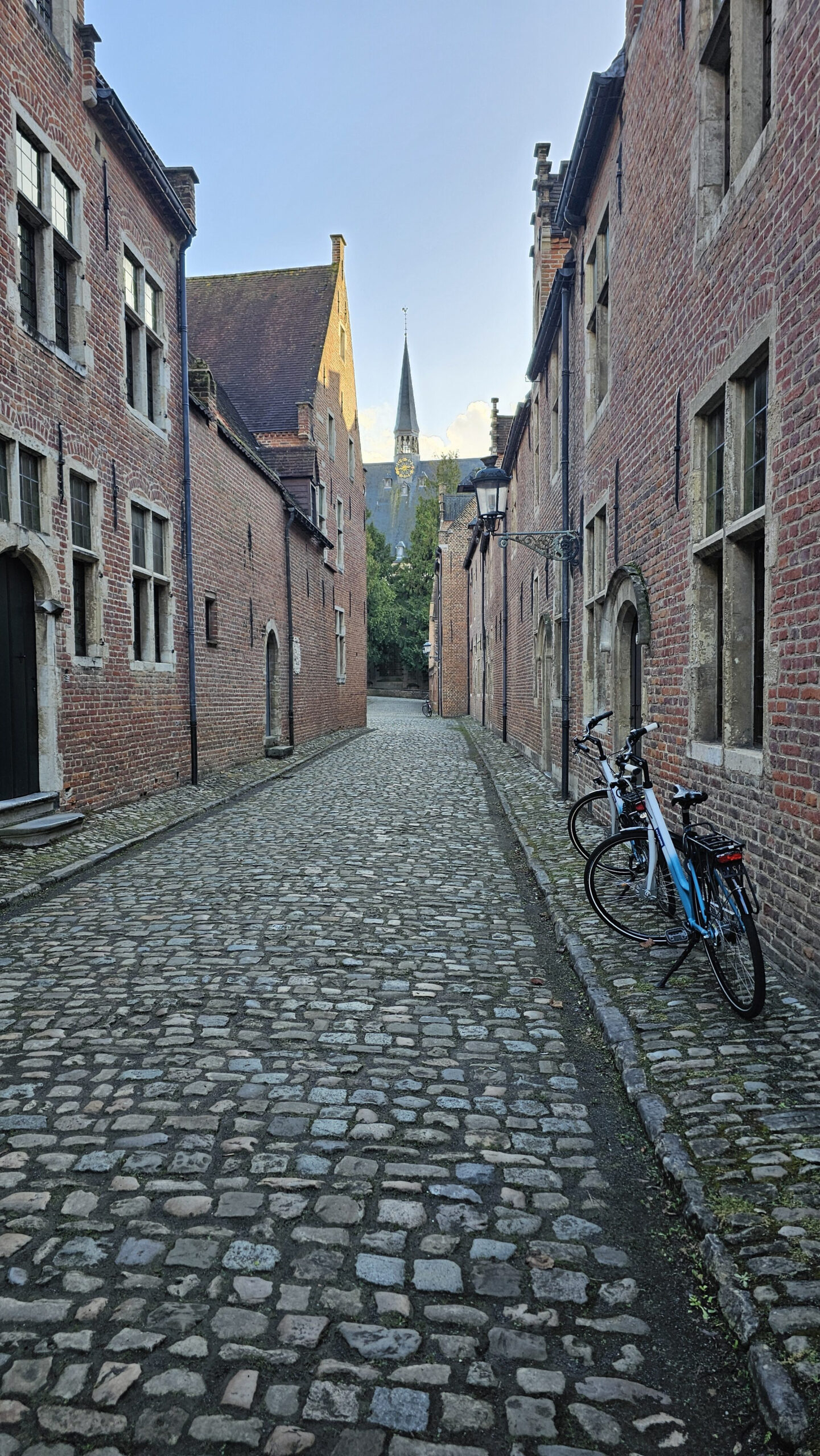
Groot Begijnhof (or the great beguinage) is a historical quarter in the south of downtown Leuven. It has around 300 apartments and 100 houses over 3 hectares. It’s one of the largest remaining and best preserved beguinages in the Low Countries.
It was established in the 13th century as an enclosed women’s refuge to provide them with a relaxed, and religious existence outside when the city walls existed.
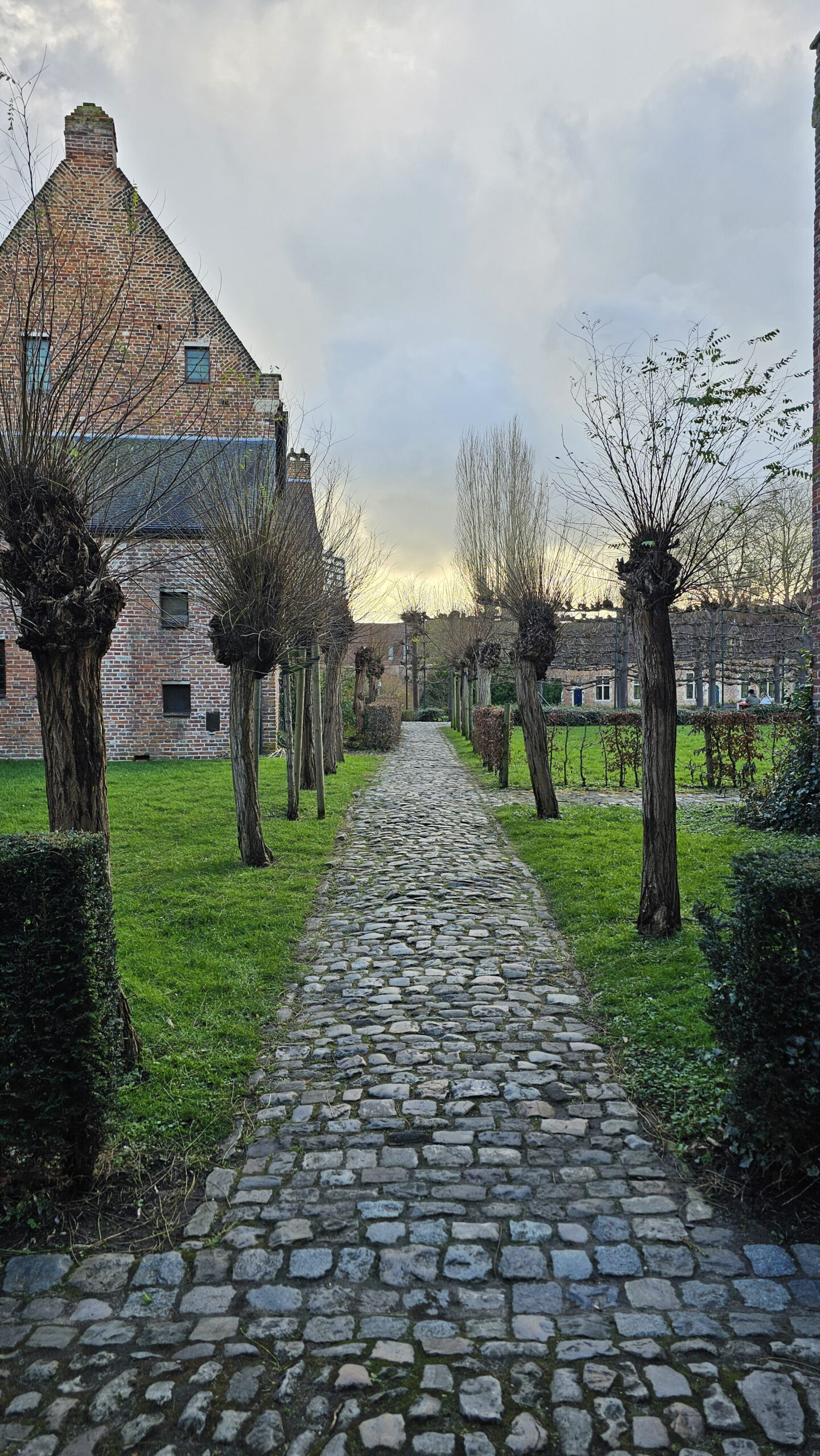
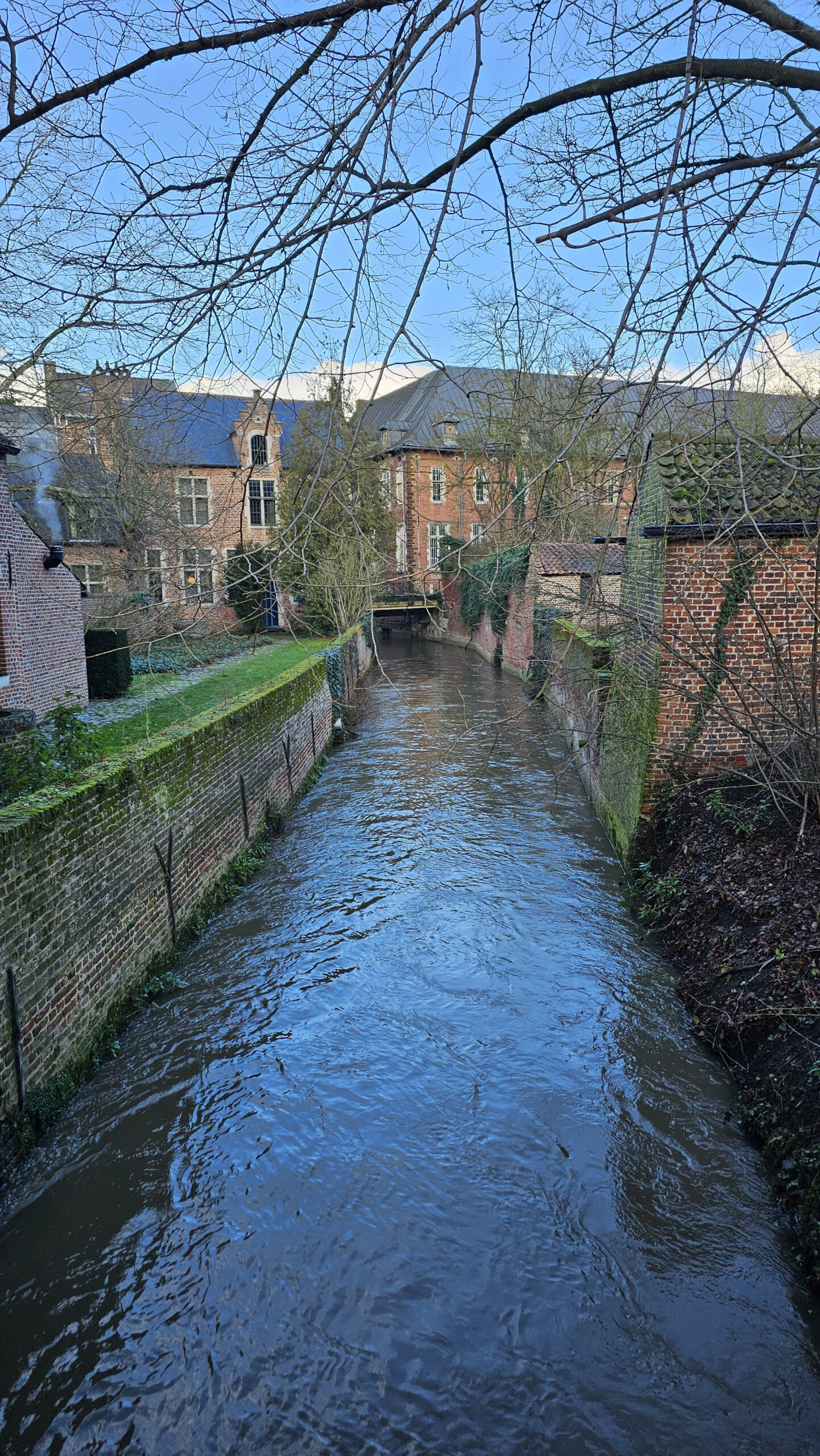
The Begijnhof features a series of alleys, courtyards, gardens and parks on both sides of the Dejle river. If you wanted to live in a place of tranquillity this would be it.
Today it houses KU Leuven’s faculty club, post grad students, international researchers, professors visiting from abroad and academic, administrative and technical staff of the university hospitals.
There’s a big emphasis on community life by members of the university. The residents are responsible for safeguarding the heritage of Groot Begijnhof.
It’s a good place to visit if you’re looking to get out of the centre. Even with other tourists it’s pretty peaceful. It was good seeing everyone be respectful of the area. I stumbled across Groot Begijnhof by accident. I guess you can call it a happy accident.

I liked Leuven, it’s a vibrant, walk able place. It’s an ideal place for a day trip without the need to feel rushed.
I’d already been to Brussels before and was there out of convenience before taking the Eurostar home. I wasn’t looking to visit anywhere in particular so it was nice to wonder aimlessly or enjoy chill time at the hotel.
Leuven was the perfect place to visit. I was in the last few days of the Belgian tour having been to Ghent, Bruges and Antwerp. Usually as the time gets closer to going home, I like to keep it chilled.
Think chalk and cheese if you’re comparing Leuven to Brussels, and that’s taking into account Leuven being a university city.
It’s worth a trip here whether you want to get away from the hustle and bustle of Brussels or explore somewhere new.