Verona
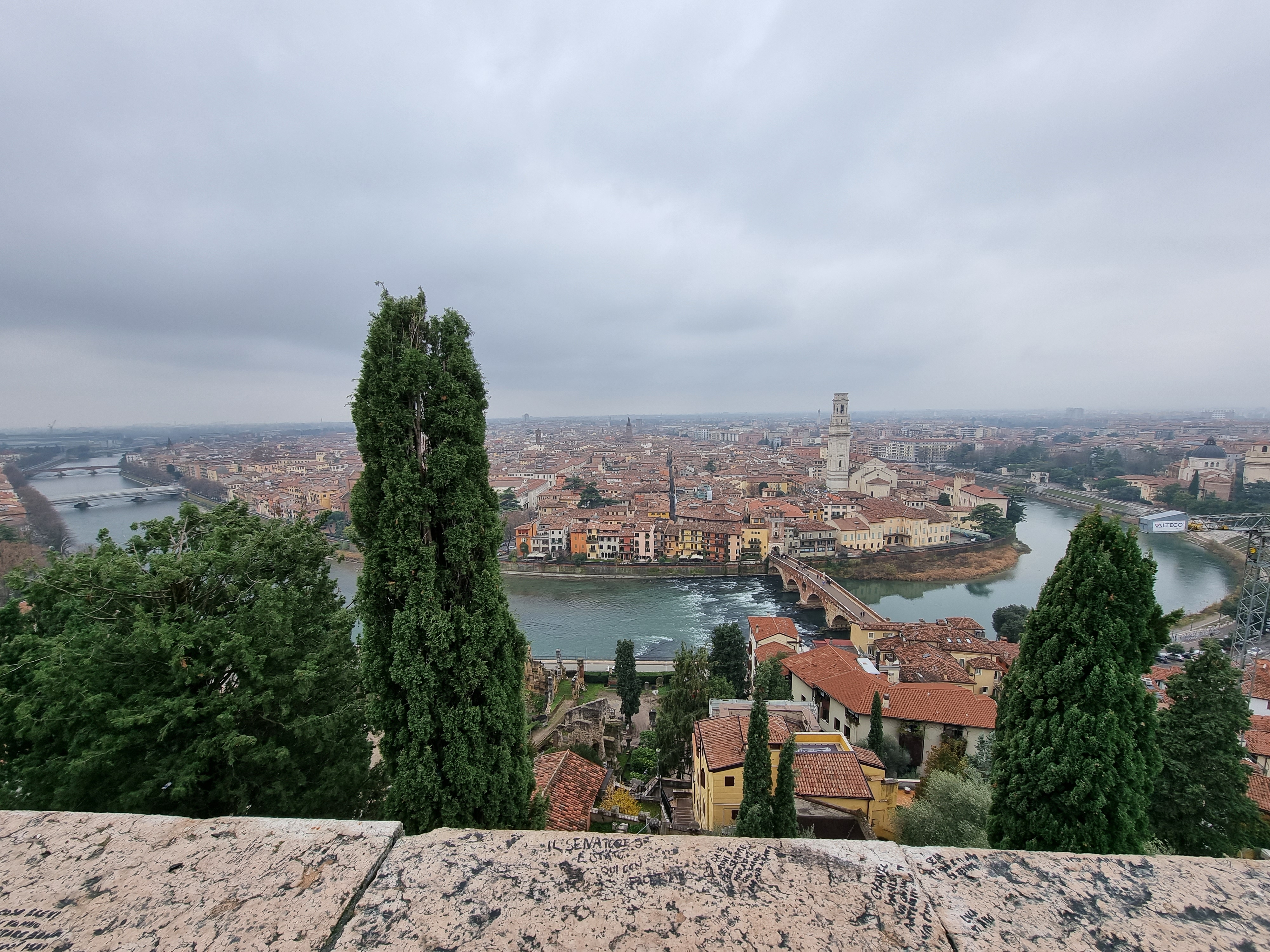
Verona is one of the seven provincial capitals in Veneto and is the largest city in the Veneto region.
Built on the Adige River, Verona is known for being the setting of Shakespeare’s Romeo and Juliet and The Two Gentleman of Verona.
Although Mozart was already famous, his fame grew further from playing his first concert in Verona in 1770.
His performance is still commemorated with events around the city.
Verona is one of the richest cities in northern Italy in Roman remains.
The city is often referred to as “little Rome” due to the abundance and state of the historical buildings.
Arena di Verona
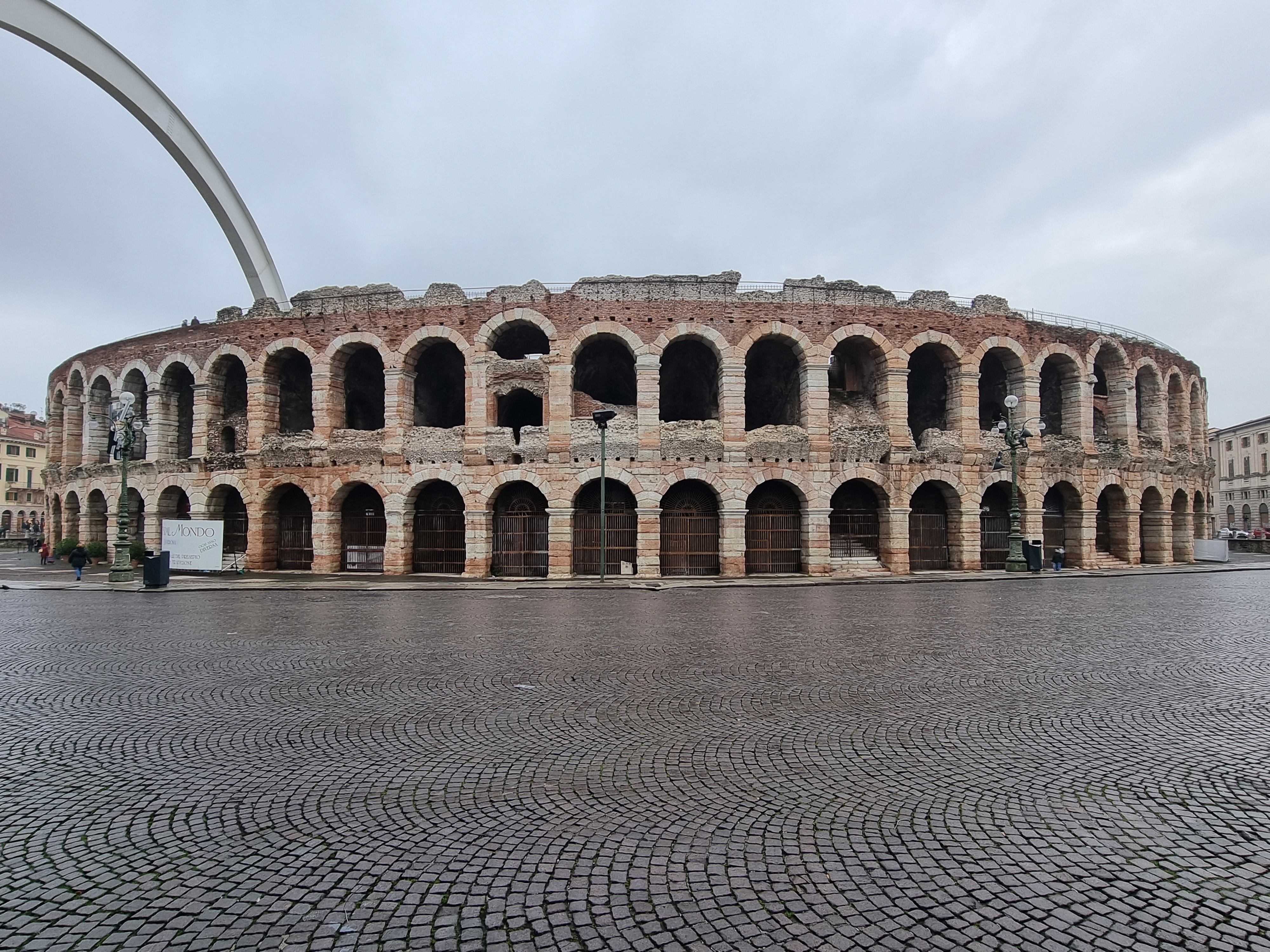
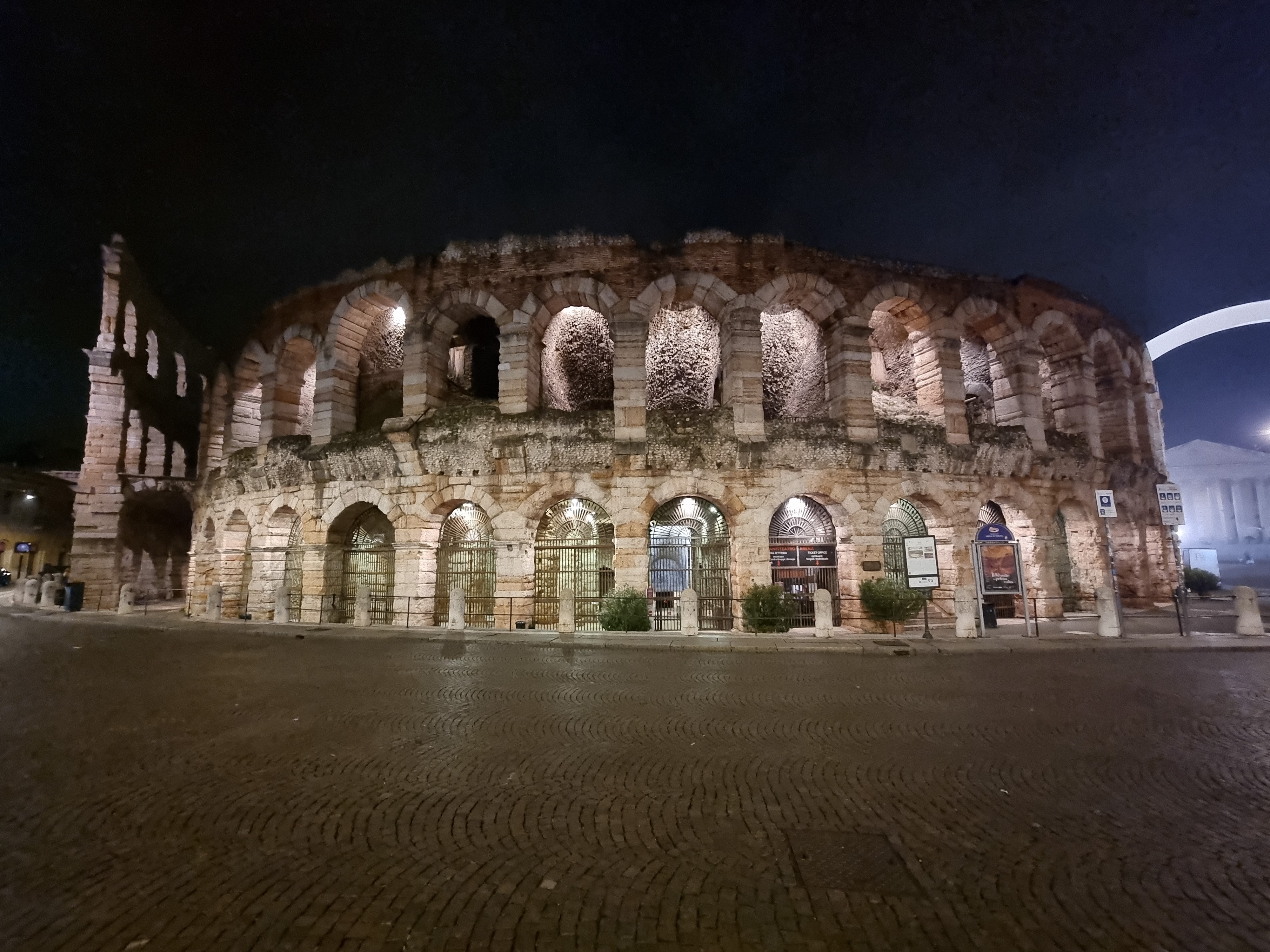
The Verona Arena is a Roman amphitheatre which was built in the first half of the first century AD.
On the outside, you might call it another version of the Colosseum. On the inside, it’s still in use and serves as a venue for large scale opera performances.
At its peak it could hold up to 30,000 people. Nowadays the capacity of the arena is 15,000.
The arena has hosted all sorts, from dancing, music and circus performances, to prisoner executions, battles between wild animals and gladiator games. It has impressively weathered 2,000 plus years of history and remains well preserved.
It’s centrally located in the Piazza Bra. Verona itself is a small place but there was something cool about being able to grab a snack or an ice cream while being able to look the arena, or just walk past it and then on to a market.


Castelvecchio
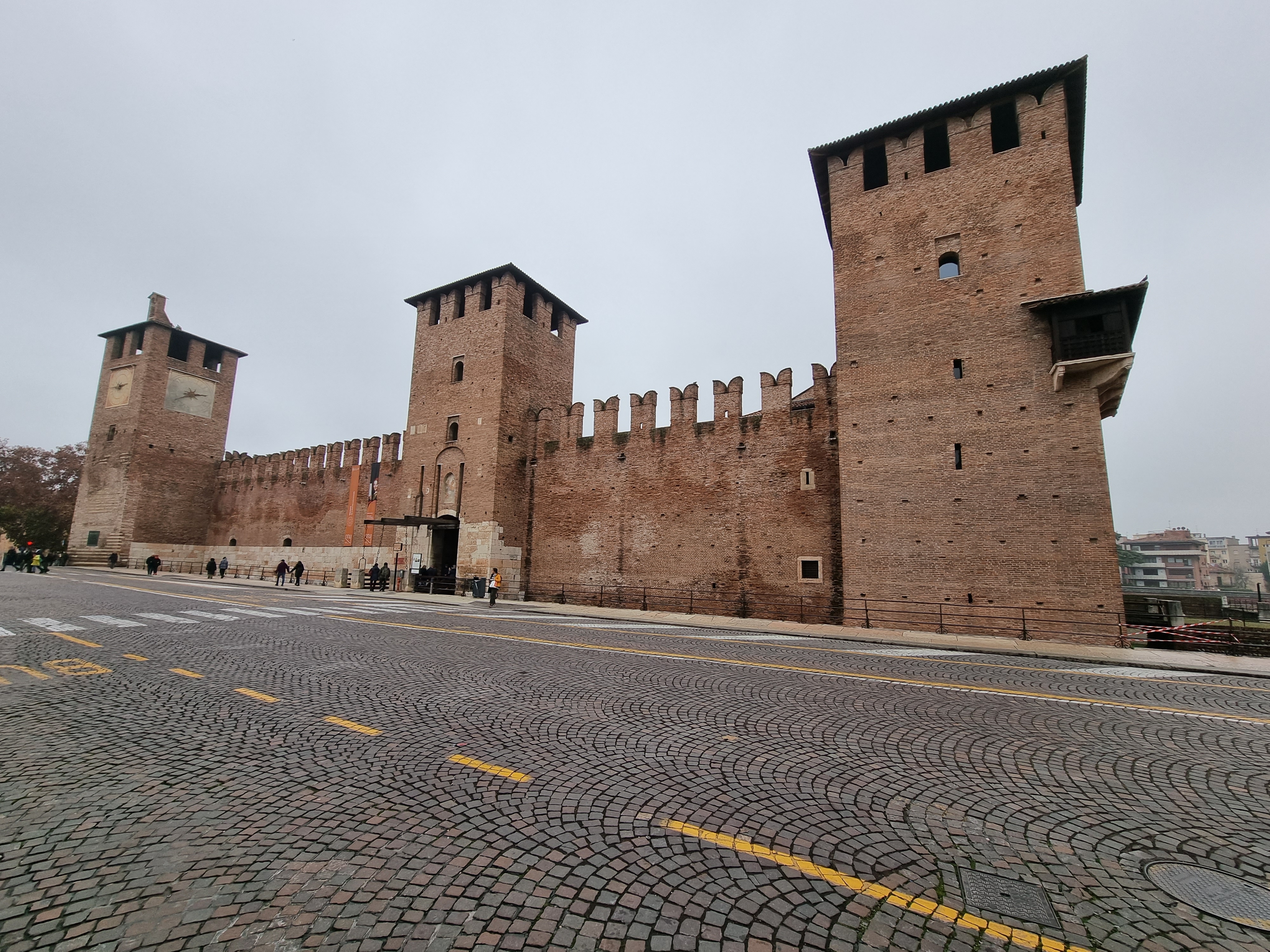
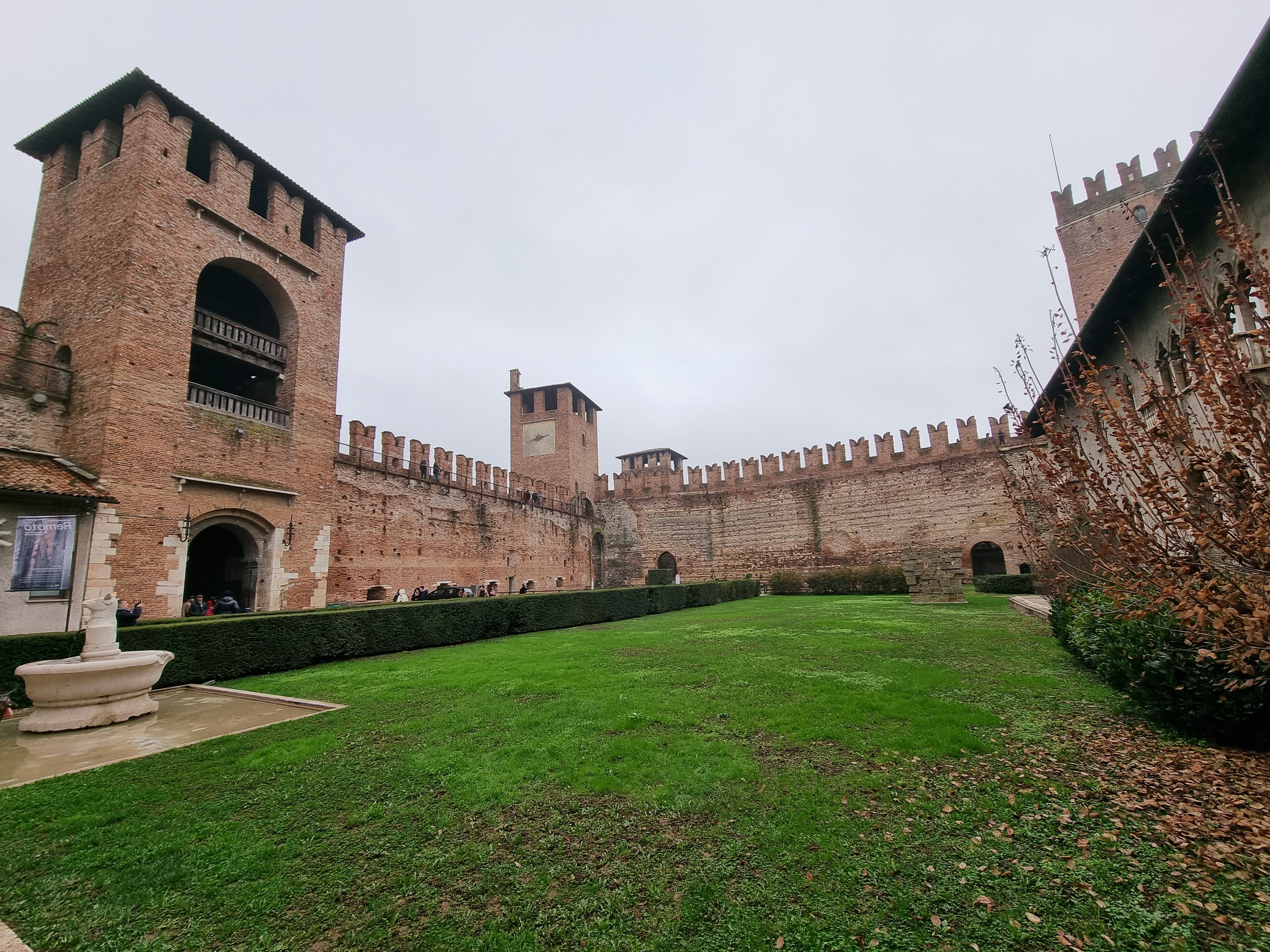
Castelvecchio (old castle) is a 14th century medieval castle which houses an art gallery and ancient artifacts.
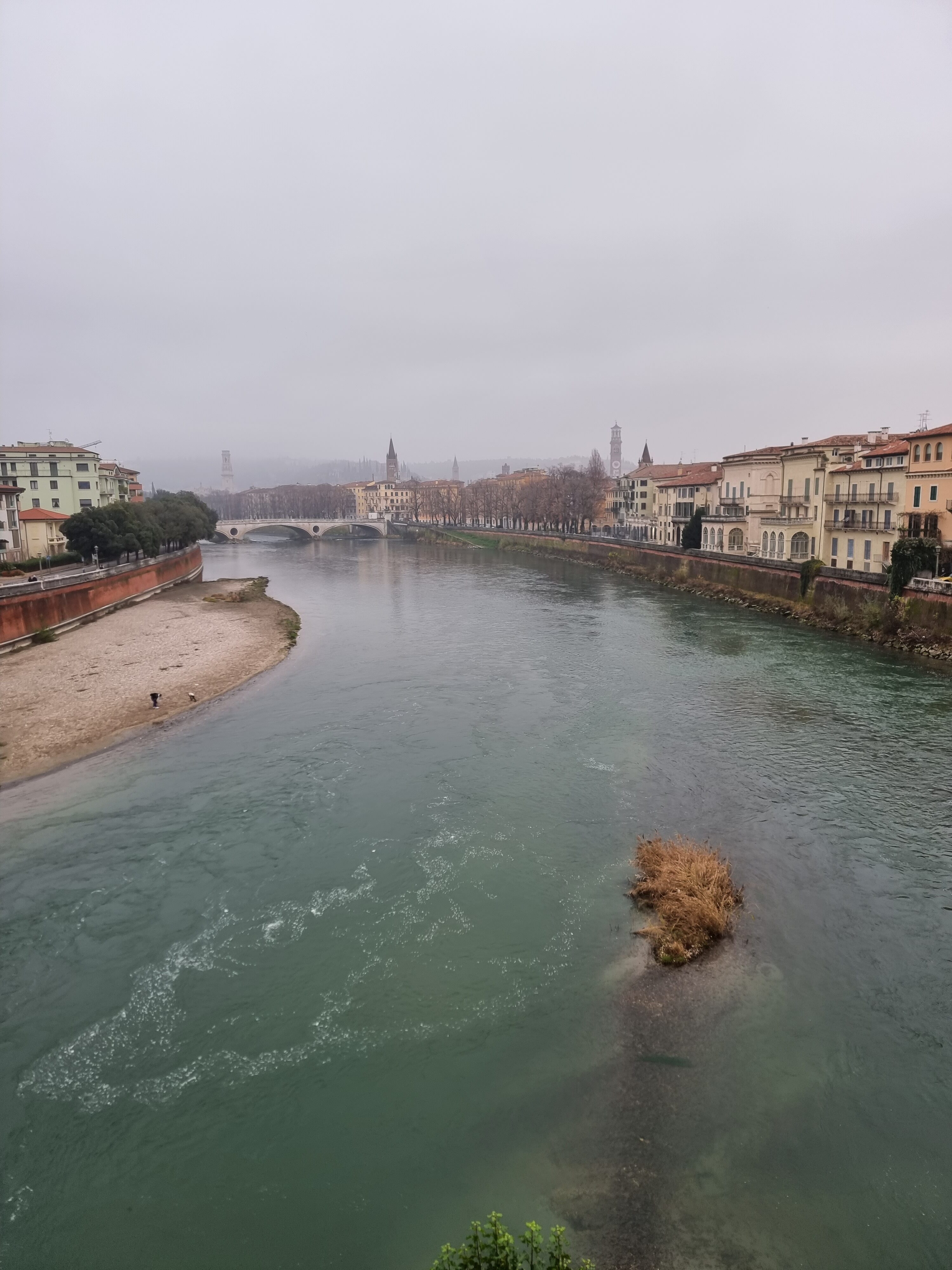
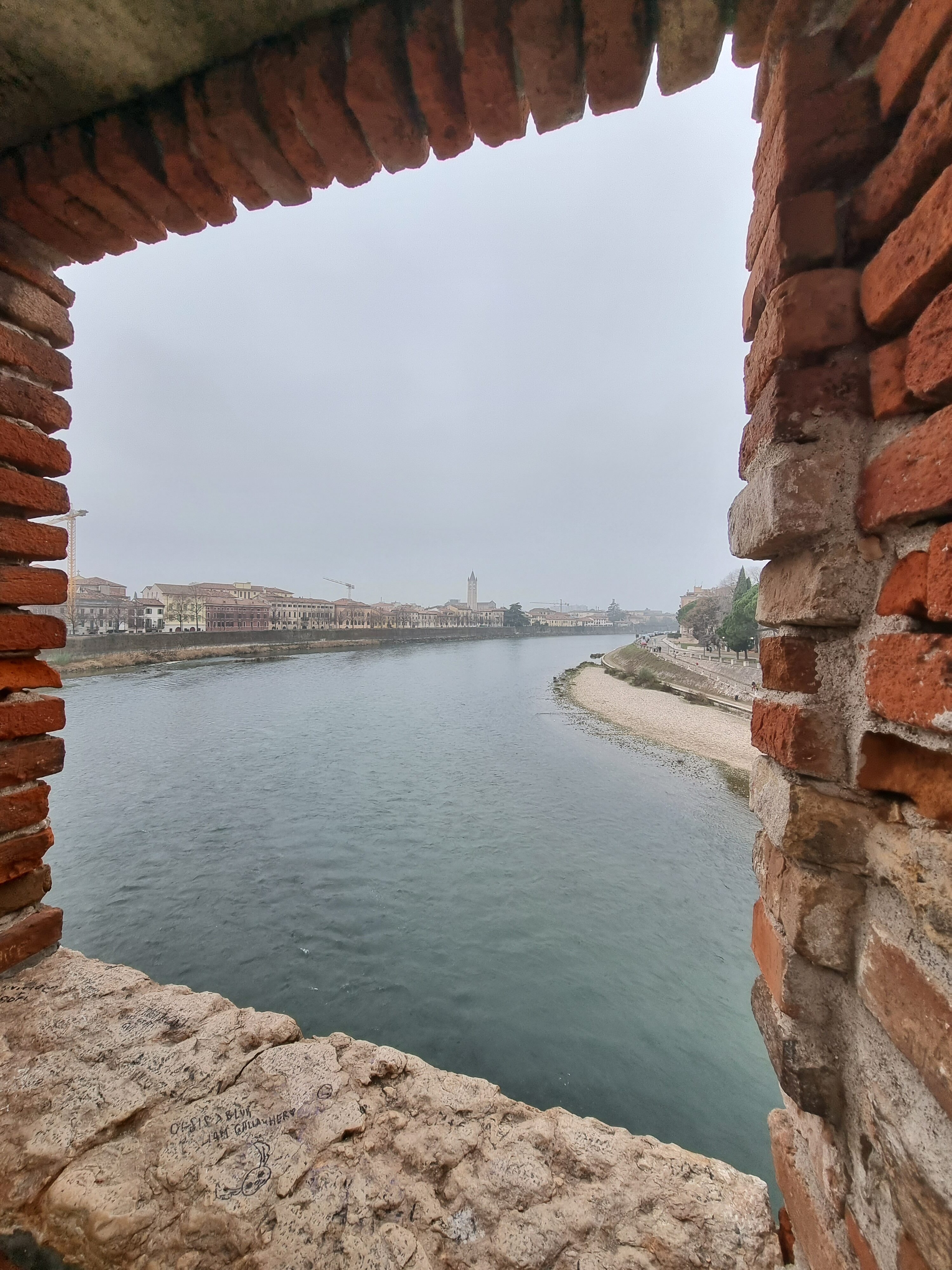
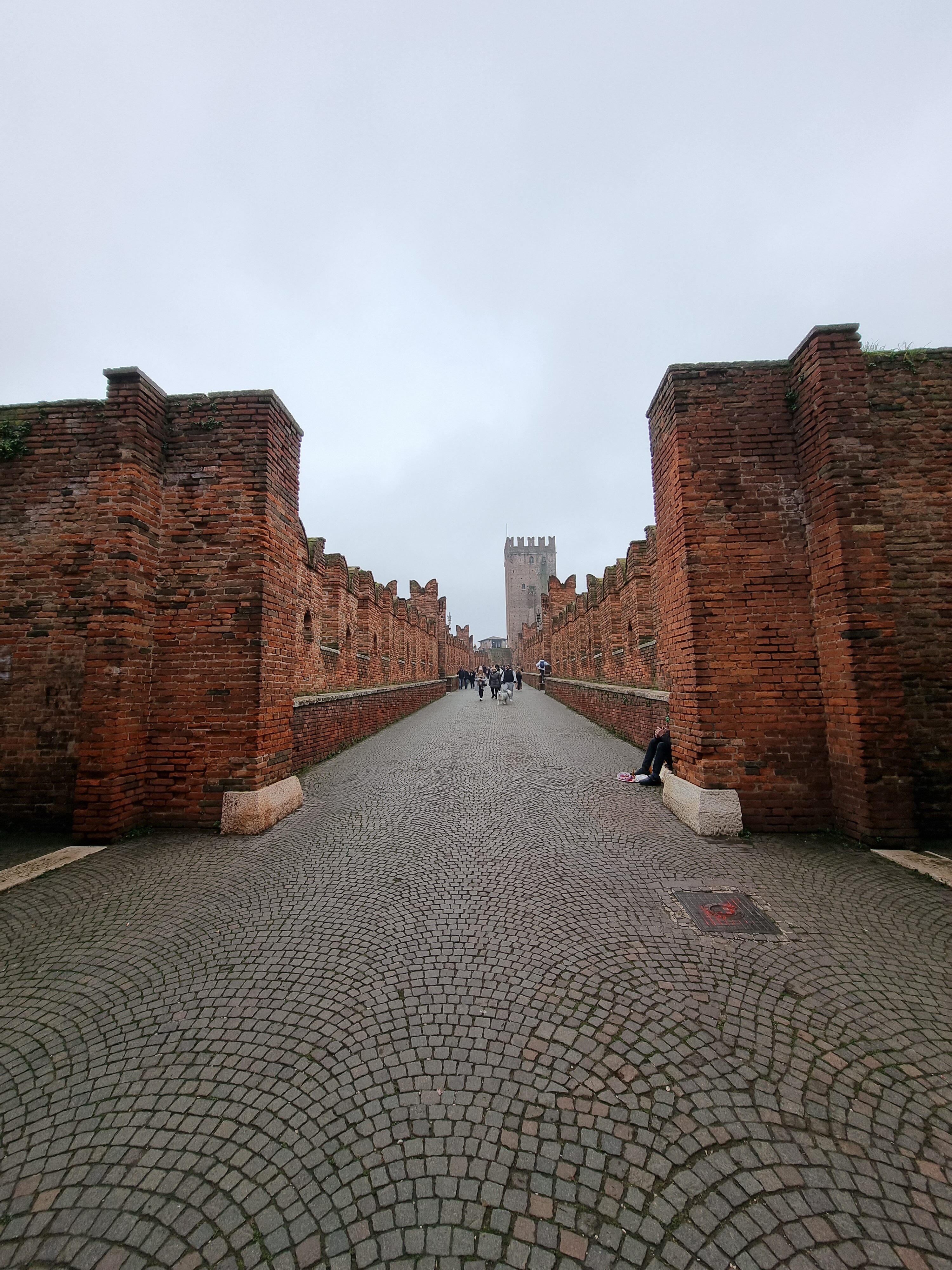
Castelvecchio was built alongside the Ponte Scaligero which runs from the castle across the River Adige.
It was built as a fortified home for the then Lord of Verona, and has seen many occupants. The castle has undergone many adaptations with the most recent one being in the 1960s.
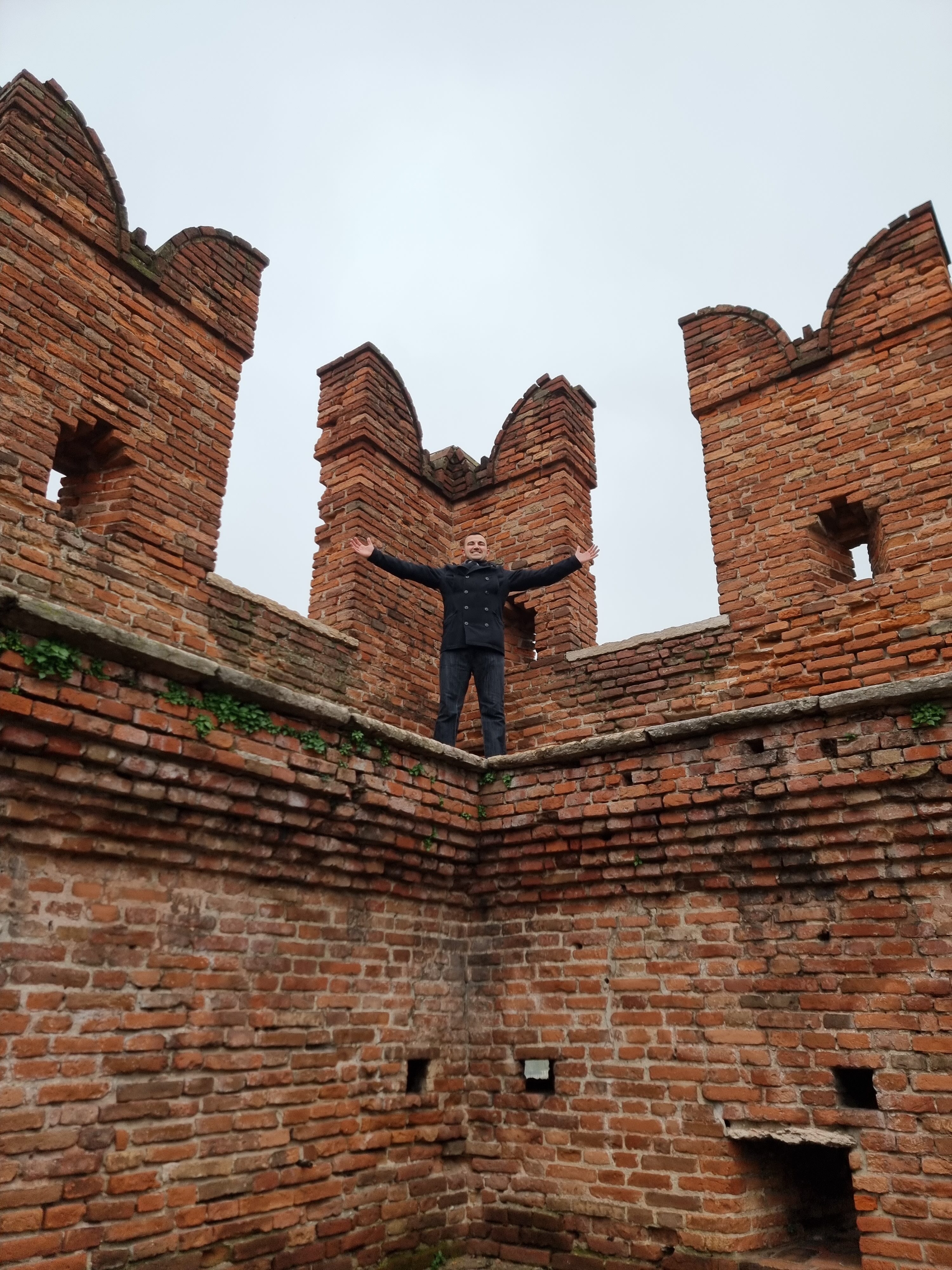
Truth be told I didn’t bother with the museum. I walked along the bridge and went into the towers of the castle to take photos of the castle, views, etc. There are some good shots to be taken from here.
Casa di Giulietta
As alluded to earlier, Verona is famous for being the setting of Romeo and Juliet.
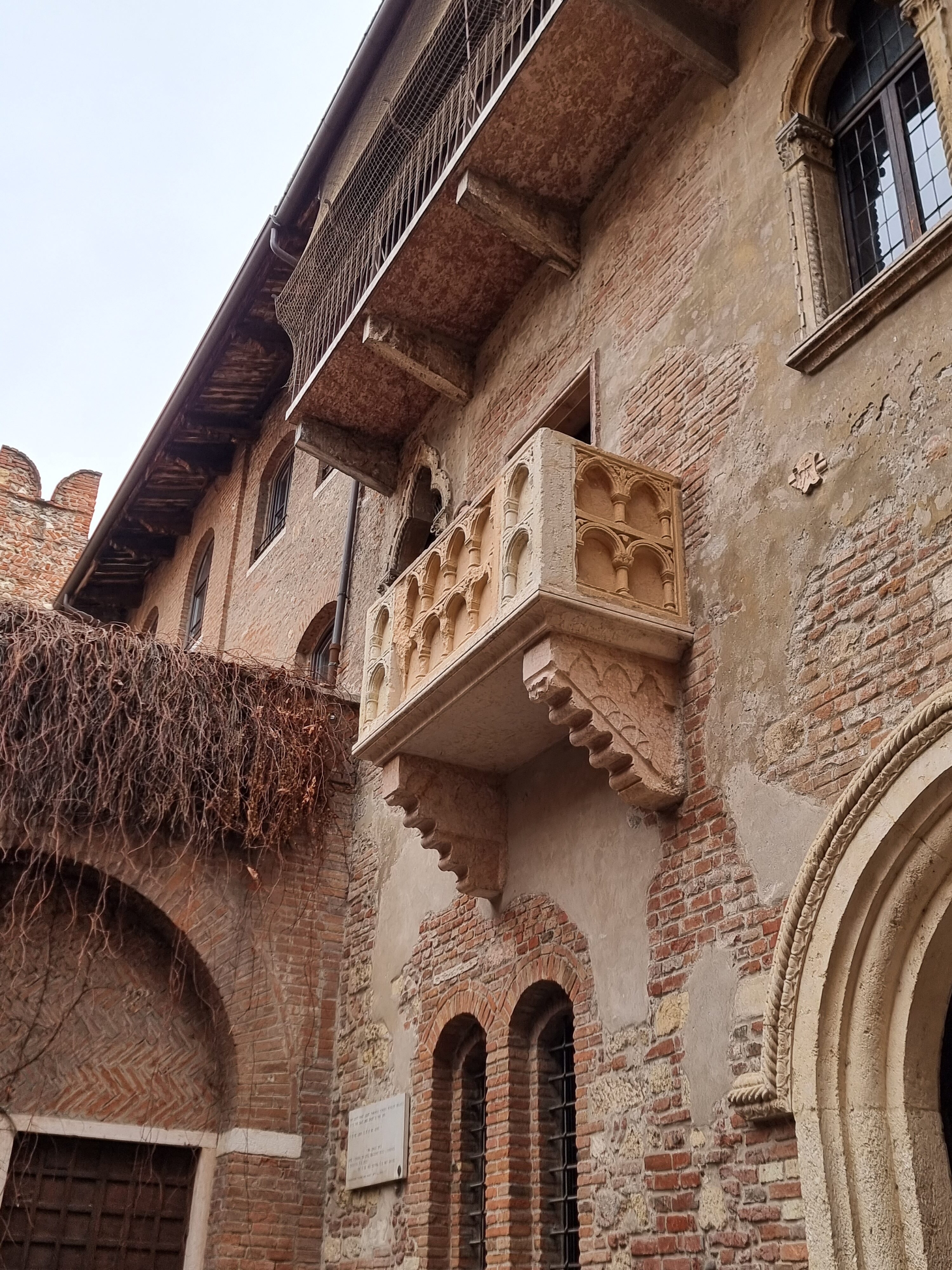
Juliet’s house is a gothic style 1300s house and museum with a stone balcony, which is said to have inspired Shakespeare.
The house has paintings from the nineteenth century depicting moments of Romeo and Juliet. You’ll also find furnishings and costumes from the film.
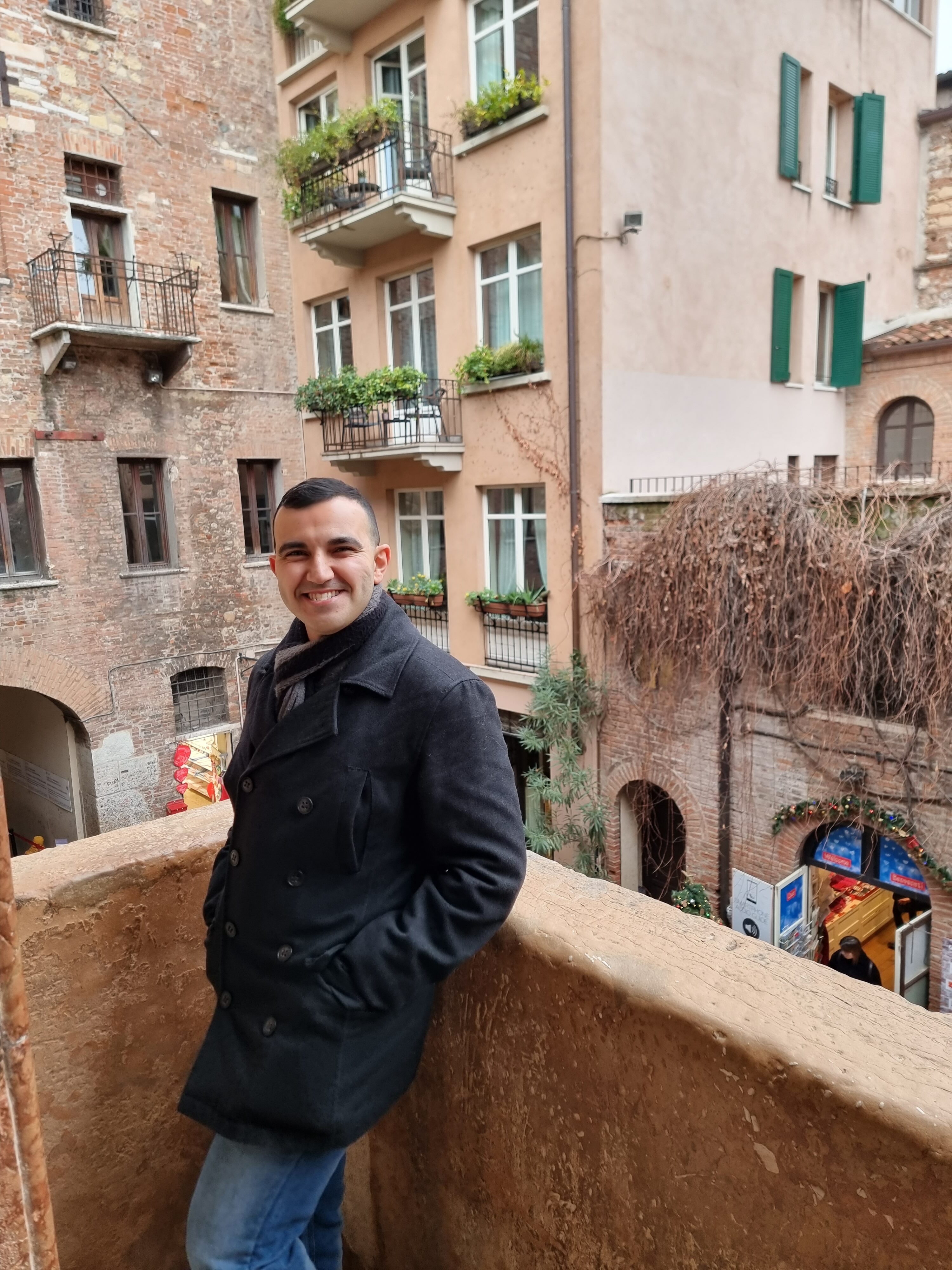
The balcony is one of the most popular spots for a photo in Verona.
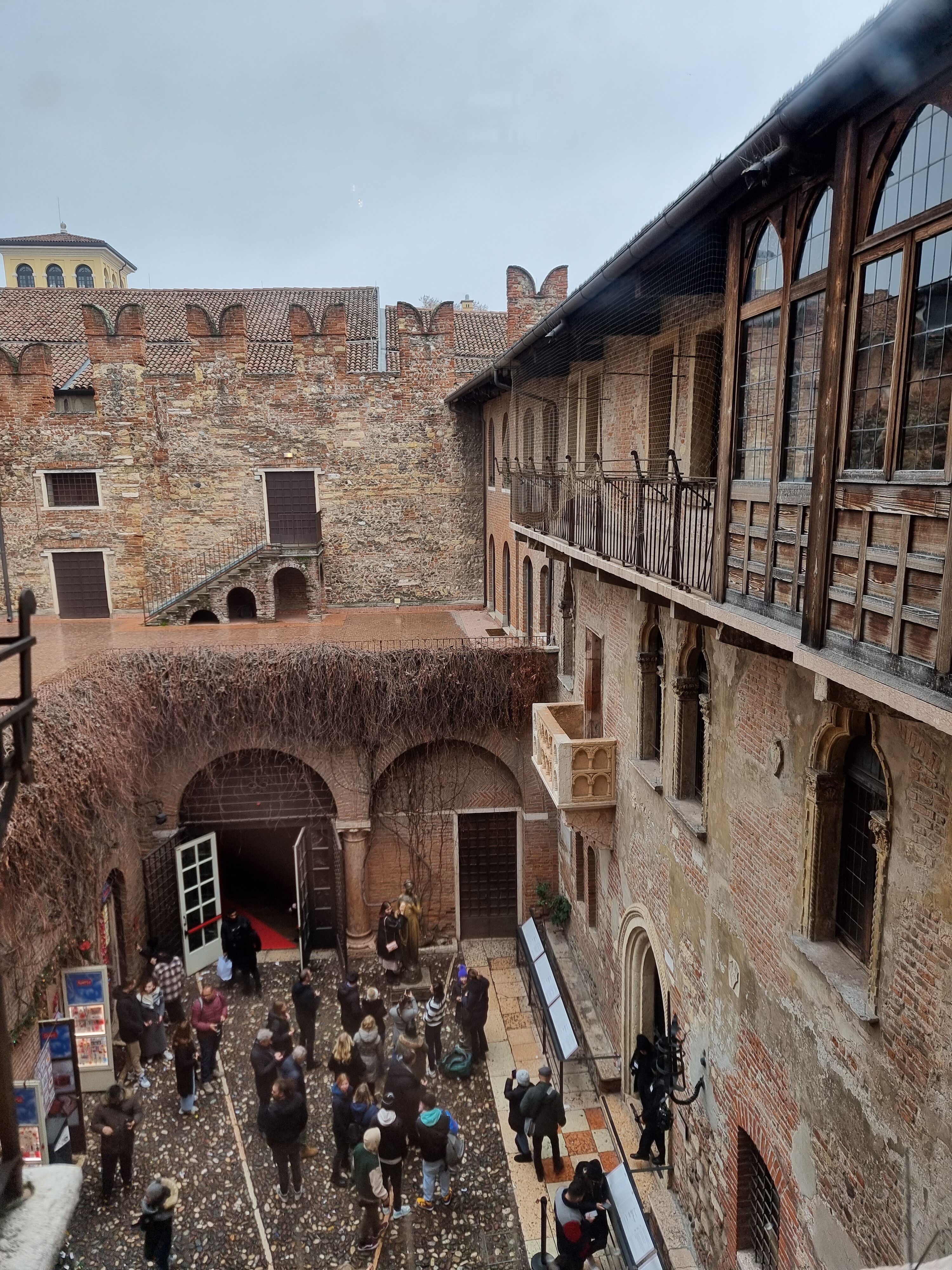
If you’re not fussed about paying to go into the house itself, you can enjoy the courtyard for free.
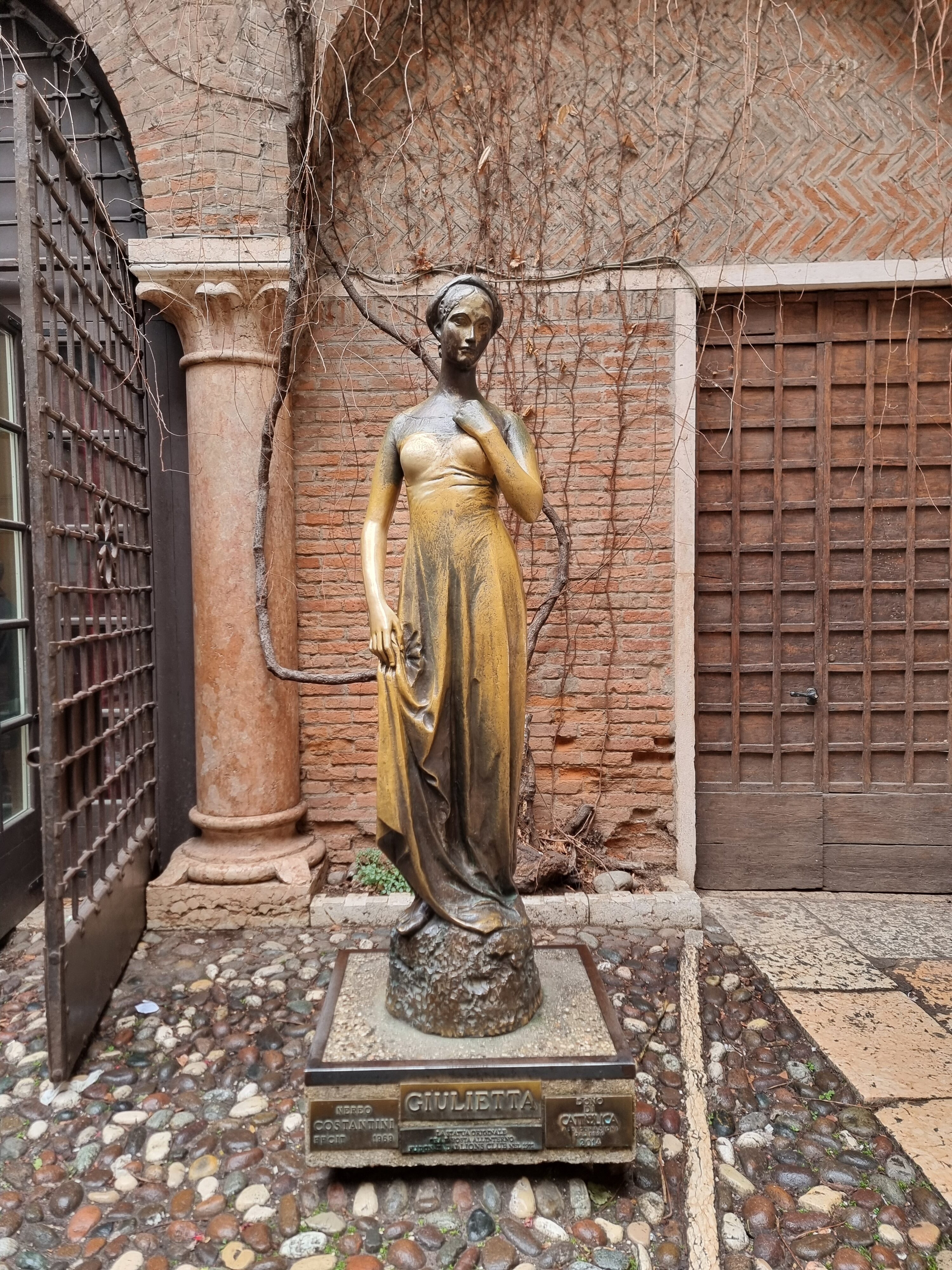
Beneath the balcony is a bronzed statue of Juliet. I noticed people taking photos with the statue while holding her breast.
Now I imagine you’re thinking what I thought.
I asked why people were touching Juliet’s breast. I was told that apparently it’s part of a ritual that is believed to bring luck in love.
In fact they’re so specific that you have to touch the right breast.
You can be forgiven if you think this is a wind up.
Castel San Pietro & Teatro Romano
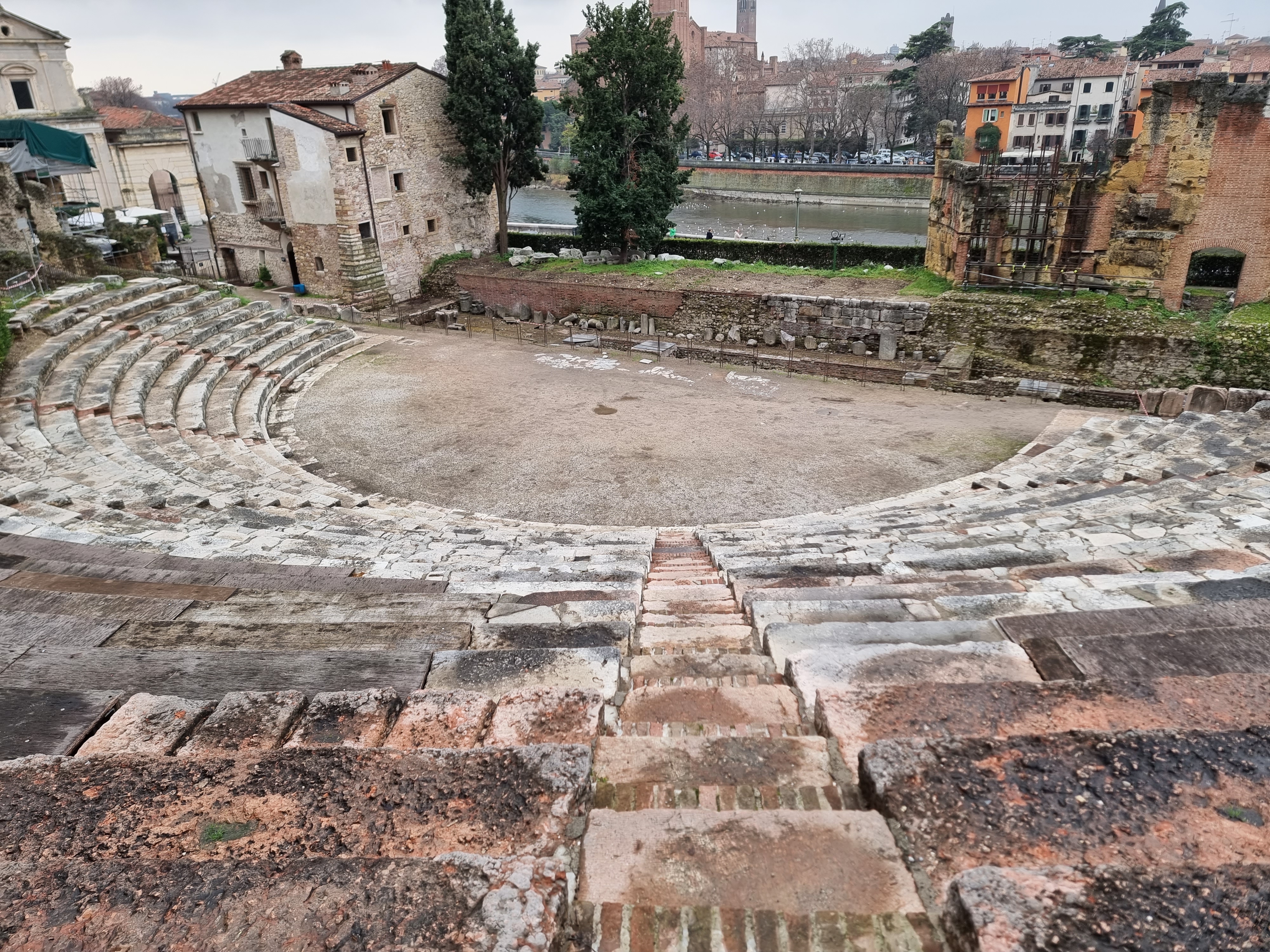
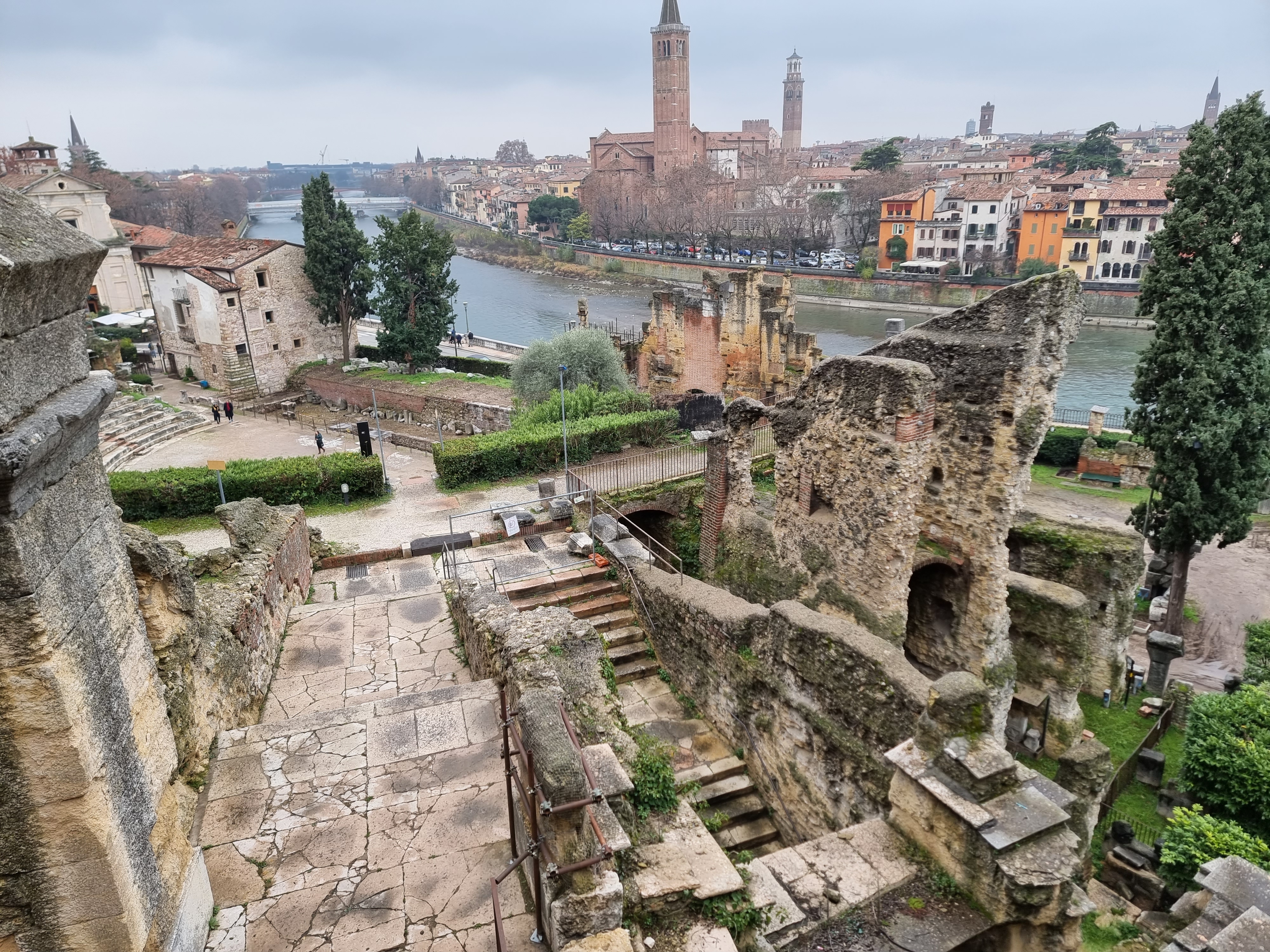
Castel San Pietro is a Romanesque fortress which sits several hundred metres above the Teatro Romano (Roman Theatre).
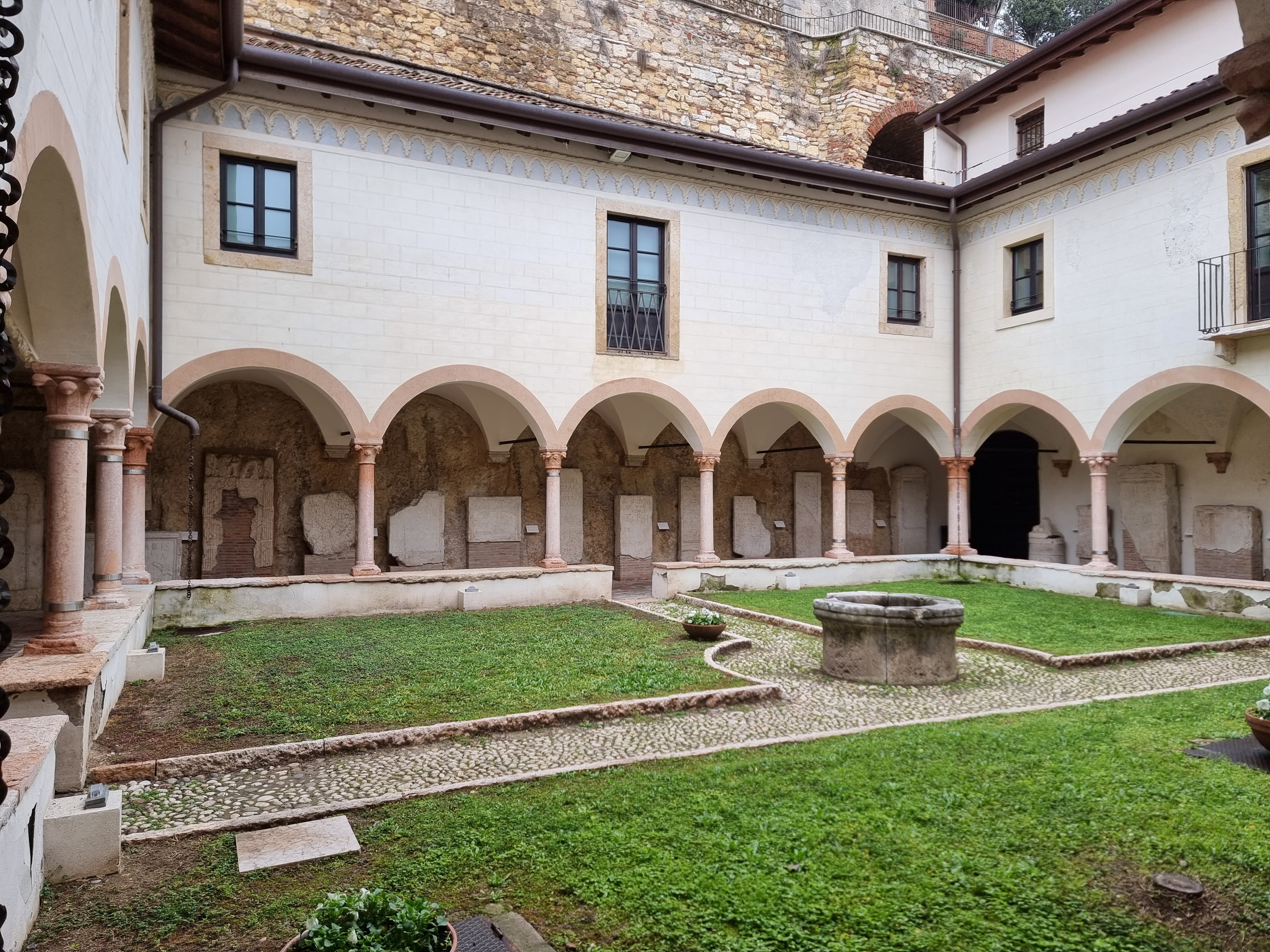
There is an archaeological museum you can visit next to the Roman Theatre. Here you can admire the many finds from the Roman age from sculptures, mosaics and bronzes.
It’s not the biggest museum by any stretch and will probably take you an hour at most to see.
Afterwards head up to the top of Castel San Pietro, there is a funicular to take you up the top although it isn’t the most intense walk.
I say this as someone who detests hills. The walk up isn’t time consuming and there are several places to stop at for photos before reaching the top.
Here you will find the best spot for a panoramic view of Verona.

Vicenza
If you fancy going out of Verona, take a 40 minute train ride to Vicenza for a day trip.
Vicenza is a good place to base yourself if you want to explore other areas in the Veneto region being located between Verona and Padova.
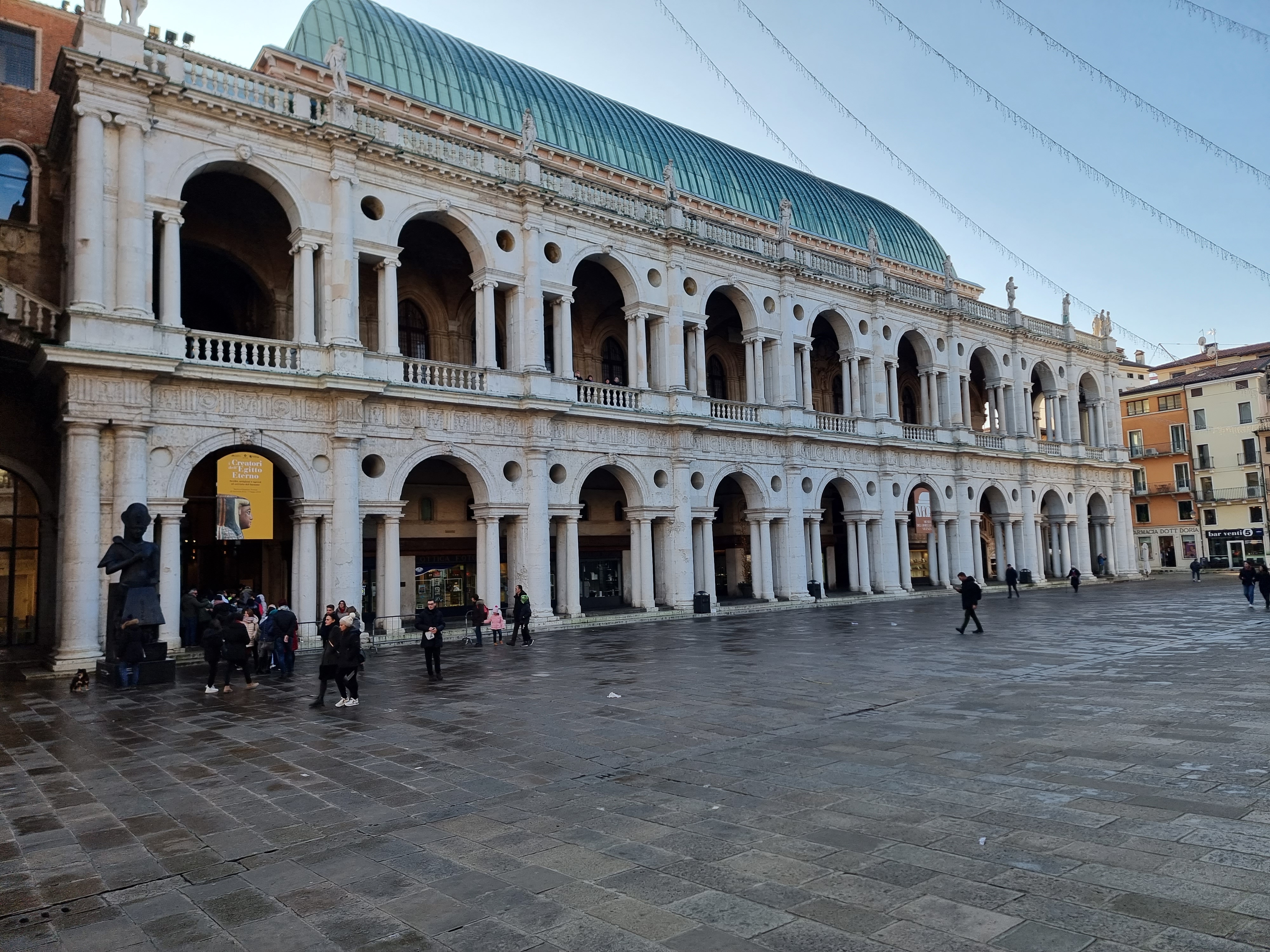
It’s known for its jewel making that was prominent in the gold and jewellery trade in the middle ages, which you’ll find in the Museo del Gioiello in the Basilica Palladiana.
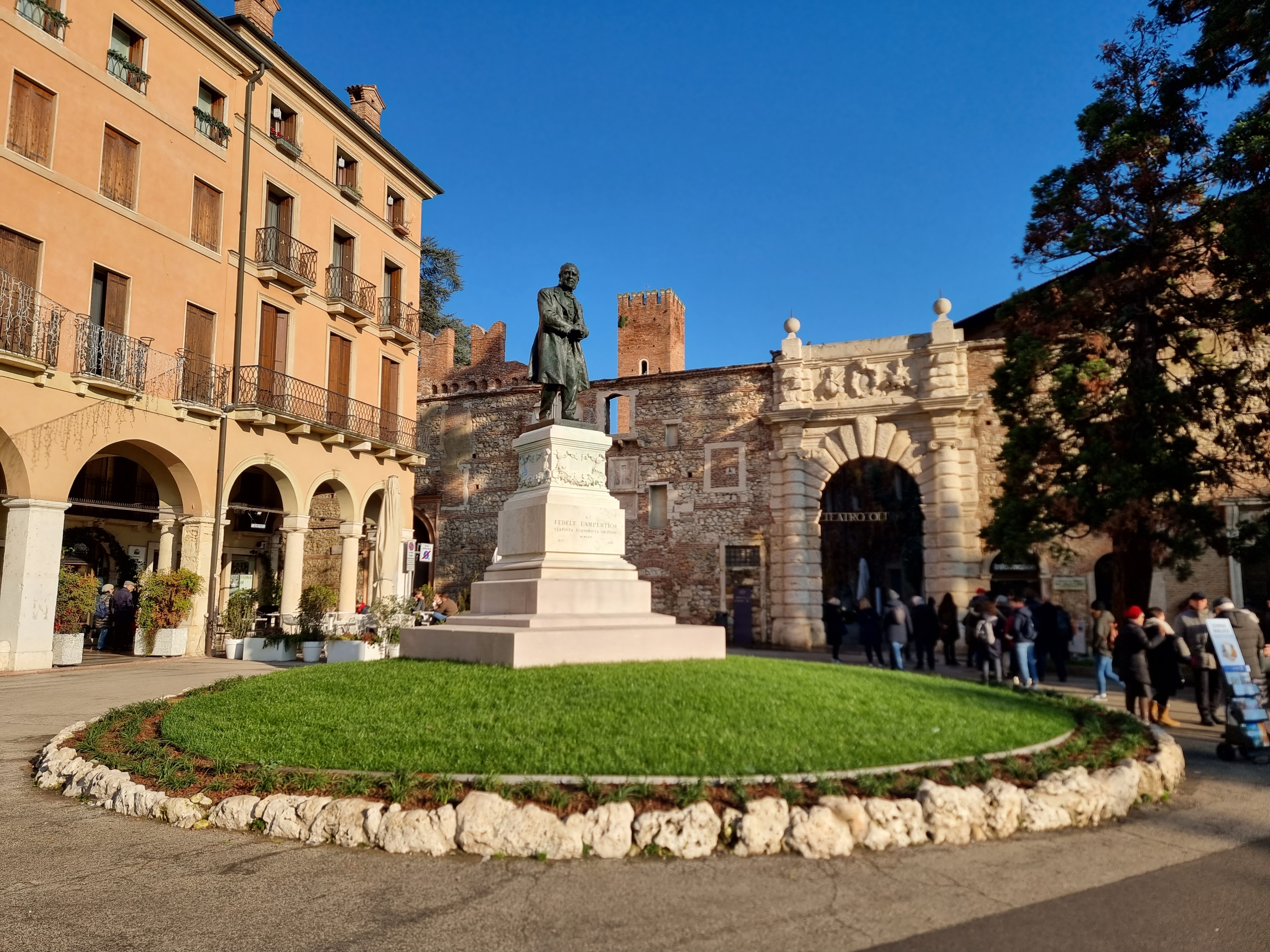
You can start in the Piazza dei Signori where the Basilica Palladiana is located, and from there head to Teatro di Vicenza, where you can explore the outside which is filled with statues and ancient stone remains as well pay an entrance fee to explore the inside. The open air aspect of the museum gives off a romantic vibe when you get a feel of the secretive character of the place.
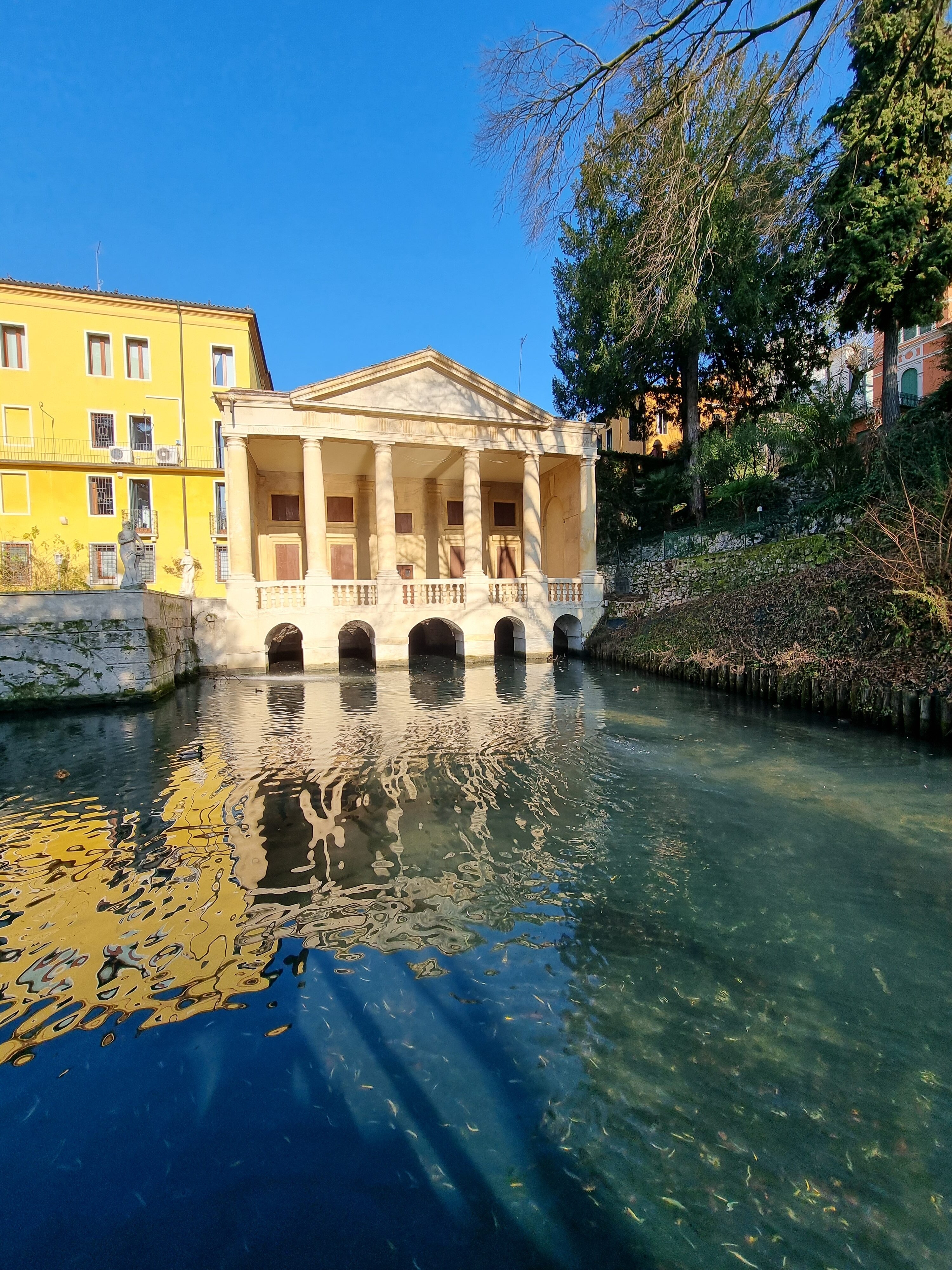
From there you can take a walk around the Giardini Salvi which is adjacent to the Piazza Castello, and has a canal overlooking the Palladian terrace.
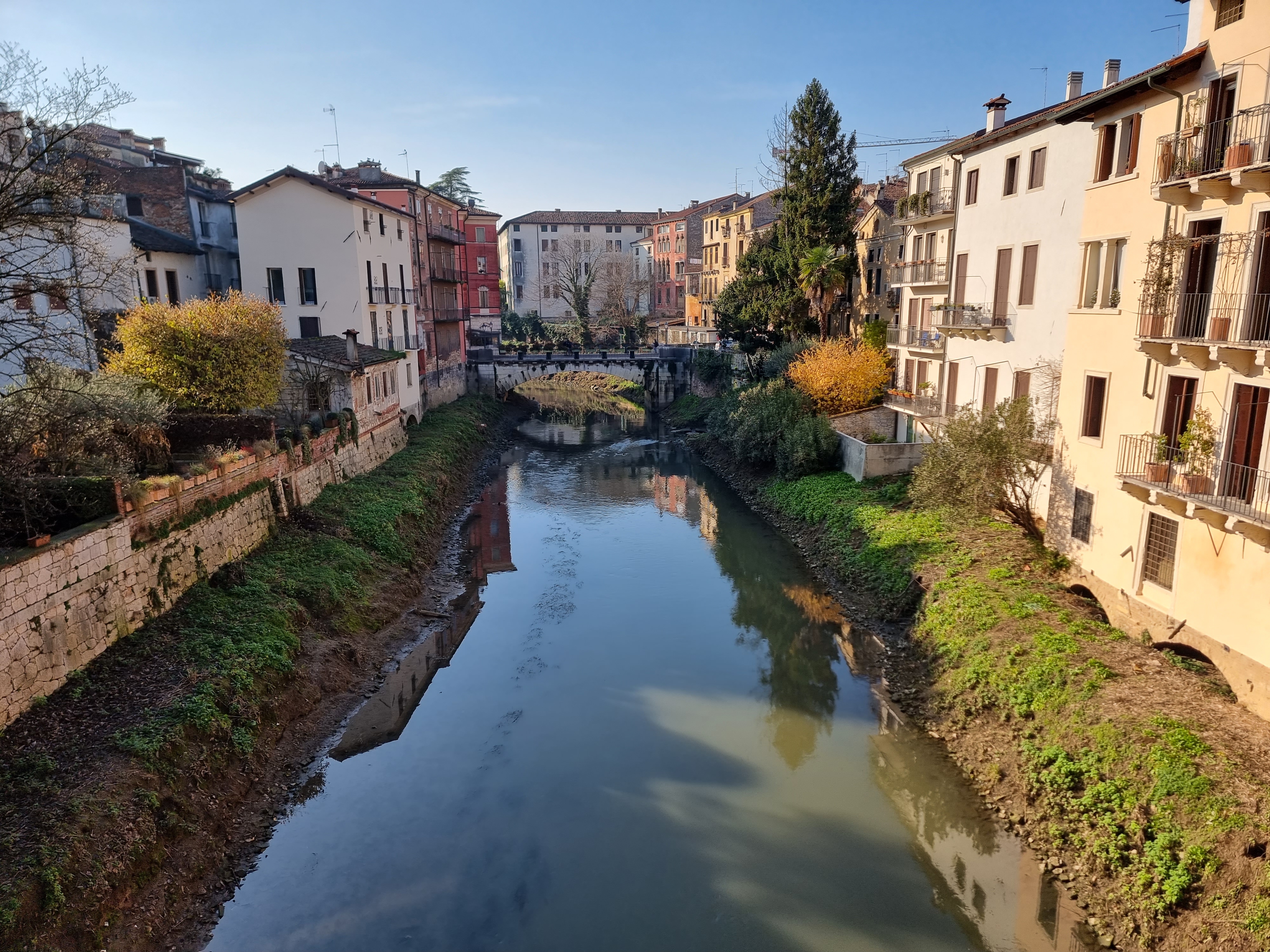
The San Michele Bridge, despite being an old cobbled road bridge is one of the more picturesque bridges, with houses along the river in a quieter parts of Vicenza to take a few snaps.
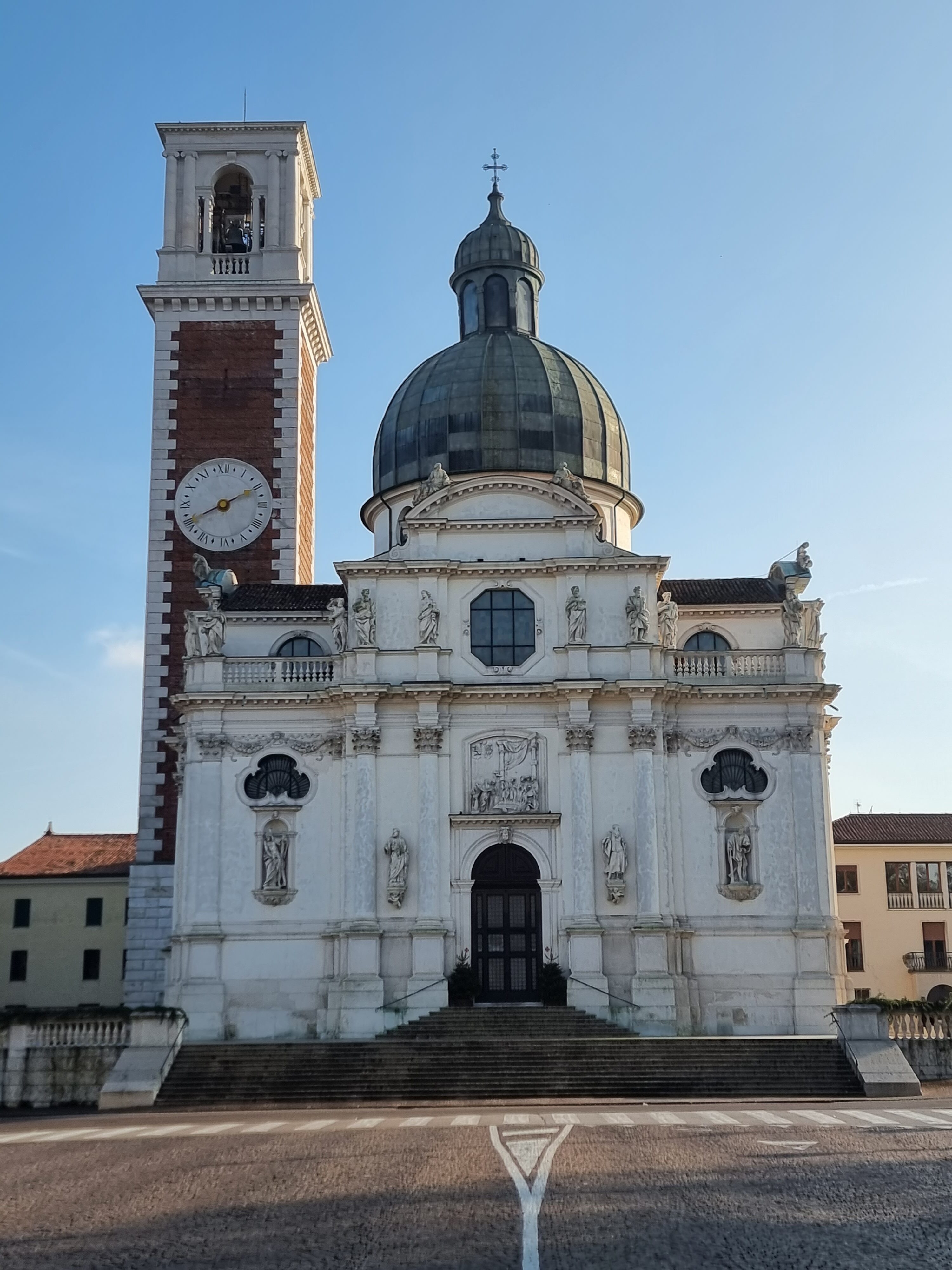
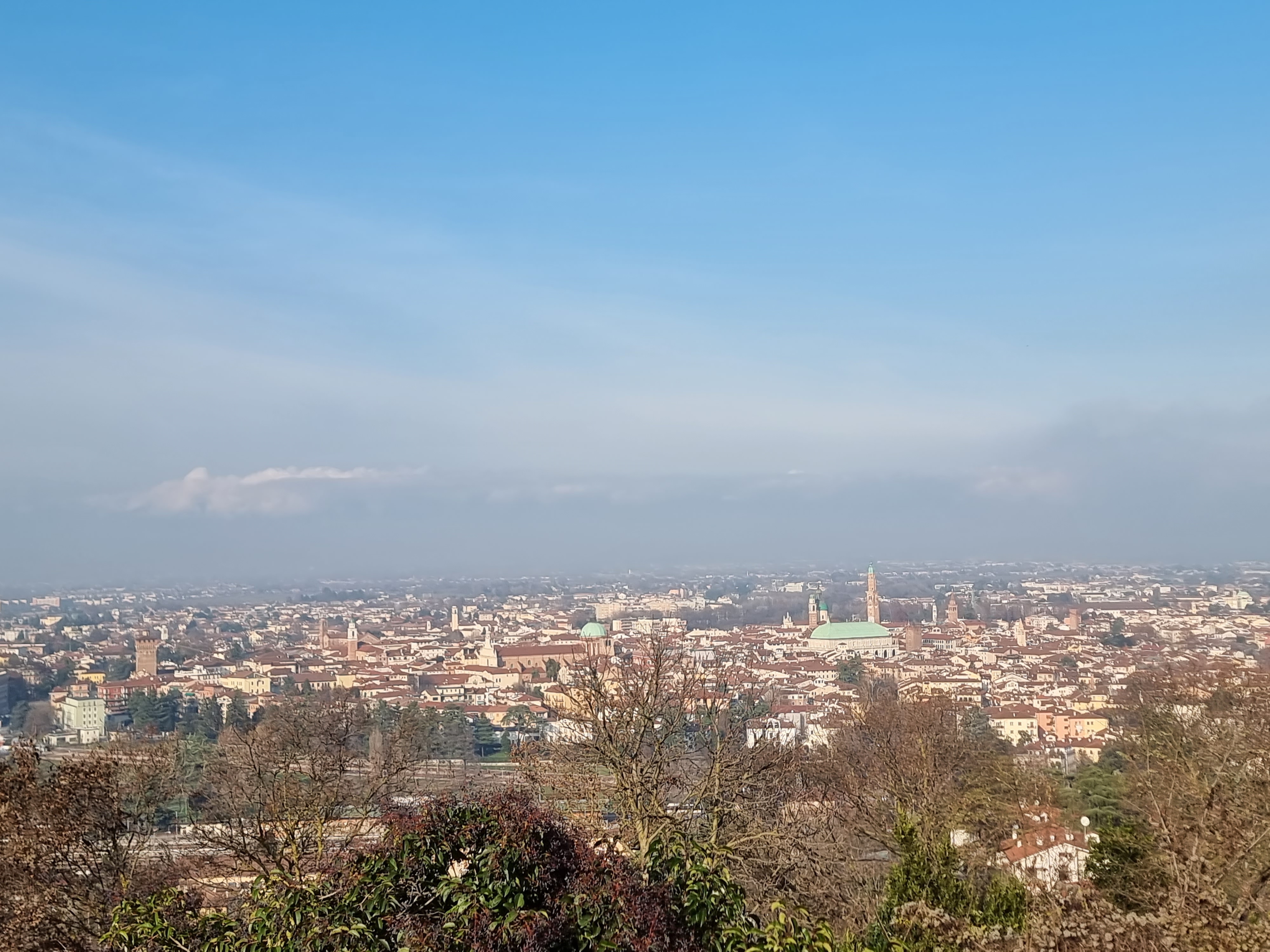
From the San Michele Bridge, end the day by heading to Monte Berico to see a panoramic view of Vicenza. The walk up isn’t that bad. The hill is a gradual incline that lasts about 10 minutes if that.
If you’re in a rush, you could arrive in Vicenza at 9am and be gone by lunch time having seen everything in the centre.
Verona is hands down my favourite place in the north of Italy I’ve been to so far.
Milan doesn’t come close to Verona and Venice is not only over crowded, but feels less authentic Italy compared to Verona.
Verona is full of history which continues to attract people to explore to this day. For a small place you can fill your itinerary however long you spend here, and there’s the added bonus of being cheaper than Milan and Venice.
On a summer day you can do a day trip to Lake Garda if you want an alternative to Vicenza.
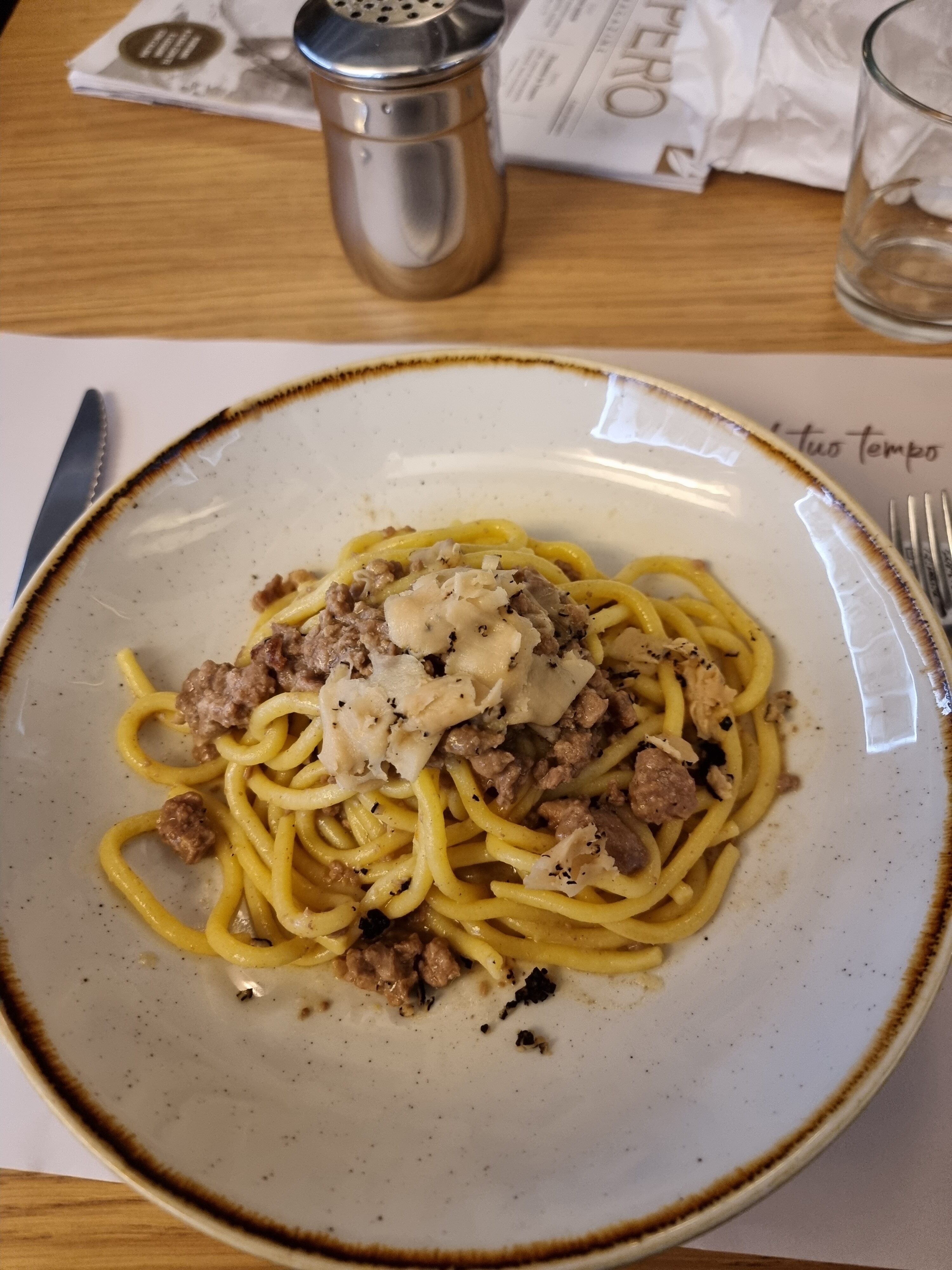
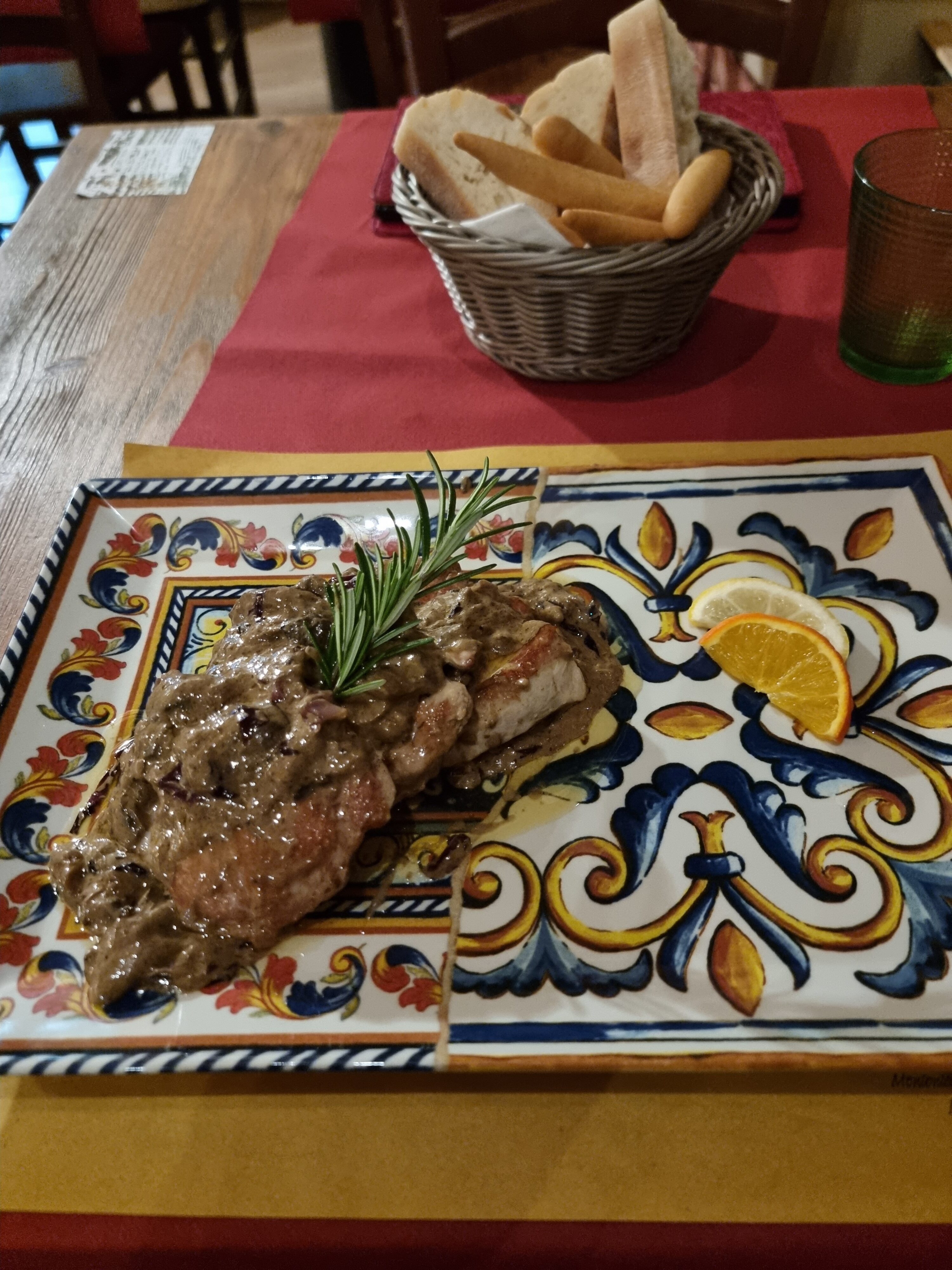
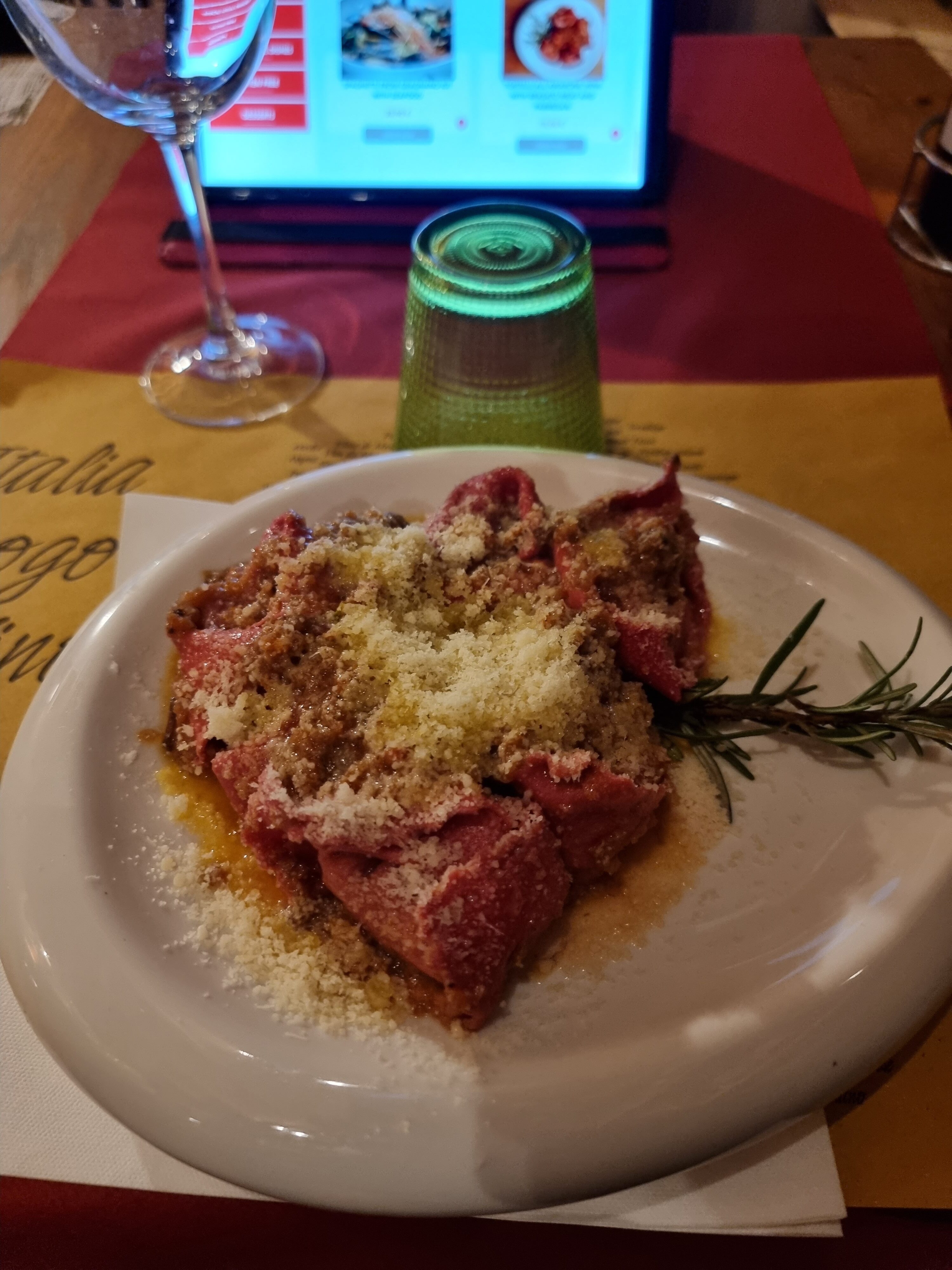
The food scene here is on point, it’s been my favourite in the north of Italy.
In terms of restaurant recommendations head to Hosteria il Punto Rosa, Trattoria Pane e Vino and Trattoria Pizzeria Impero. If you love trying traditional food these won’t disappoint.
And lets not forget that you’ve got the market on the Piazza delle Erbe which is open Monday to Saturday.
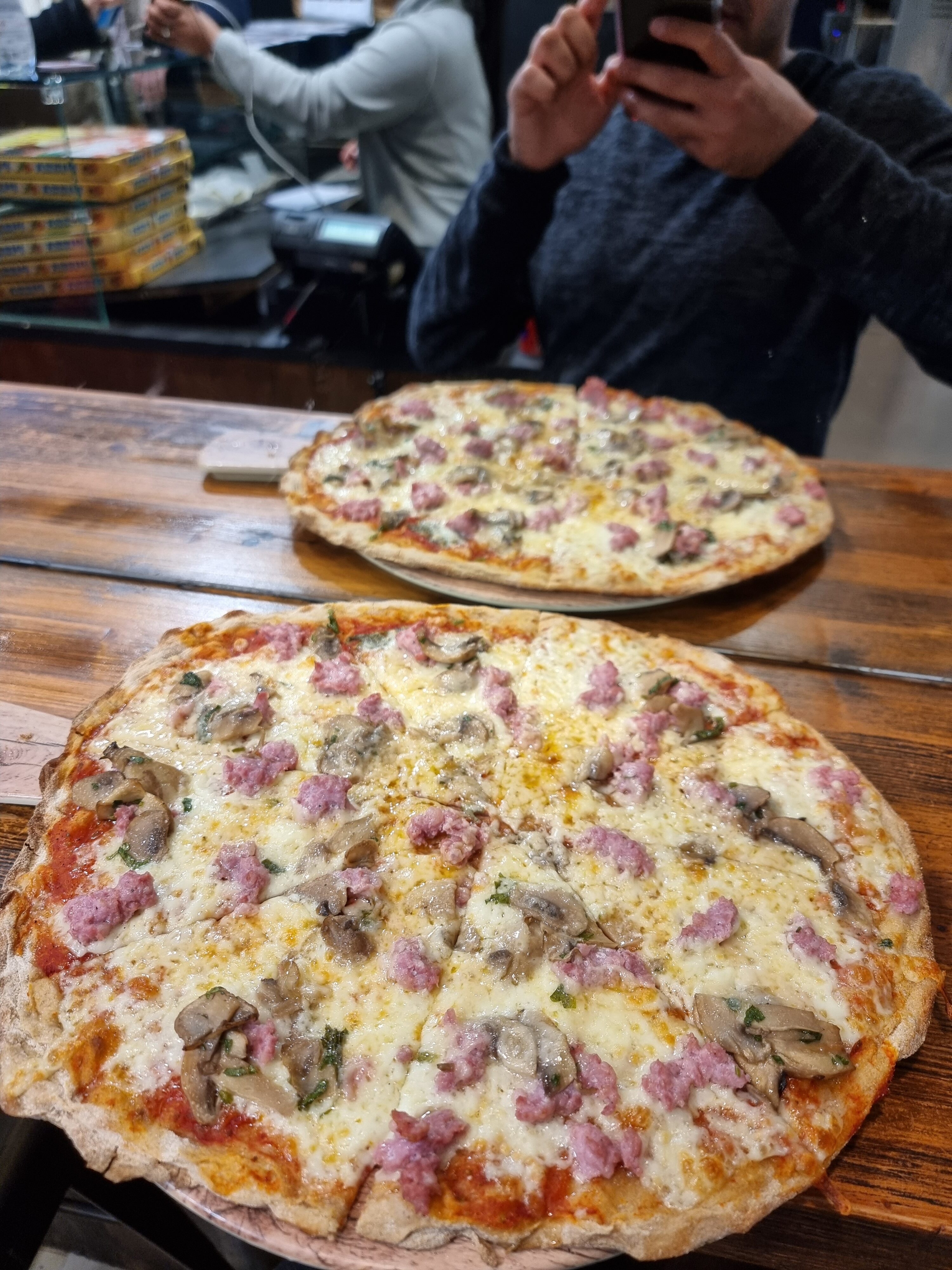
The best pizza I’ve had in the north of Italy was at Pizzeria da Vicenzo.
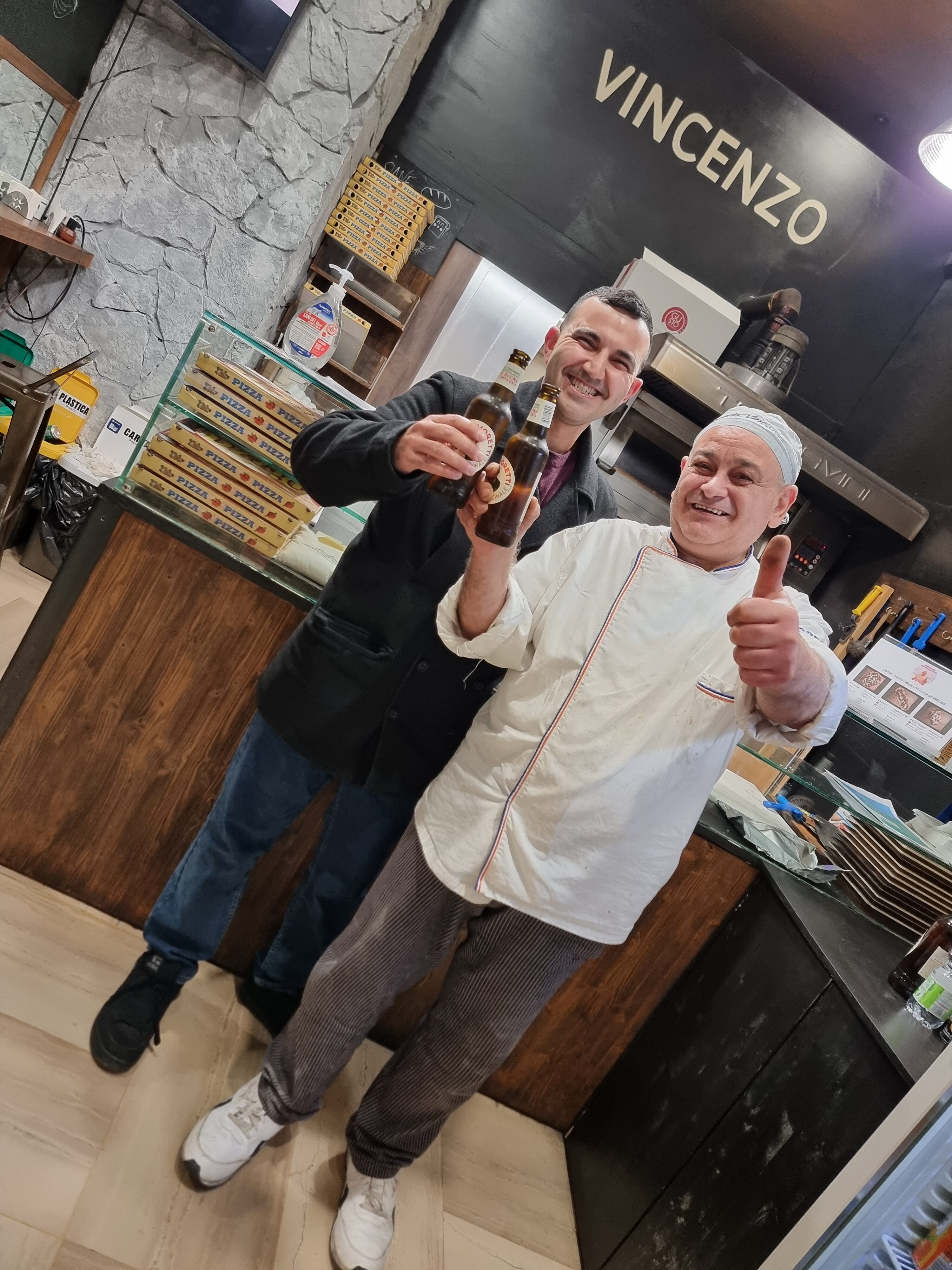
The owner Vicenzo has been making pizzas for 55 years so he’s the sort of guy you want making your pizzas with all that experience behind him.
The pizzas are a good size and reasonably priced so what more could you want?
Vicenzo has had his pizzeria for around 4 or 5 years as of this writing. It was a few minutes walk from where I was staying so it was another excuse to eat pizza multiple times.
We even had a beer in his pizzeria the night before I left.
What a guy!