Montenegro
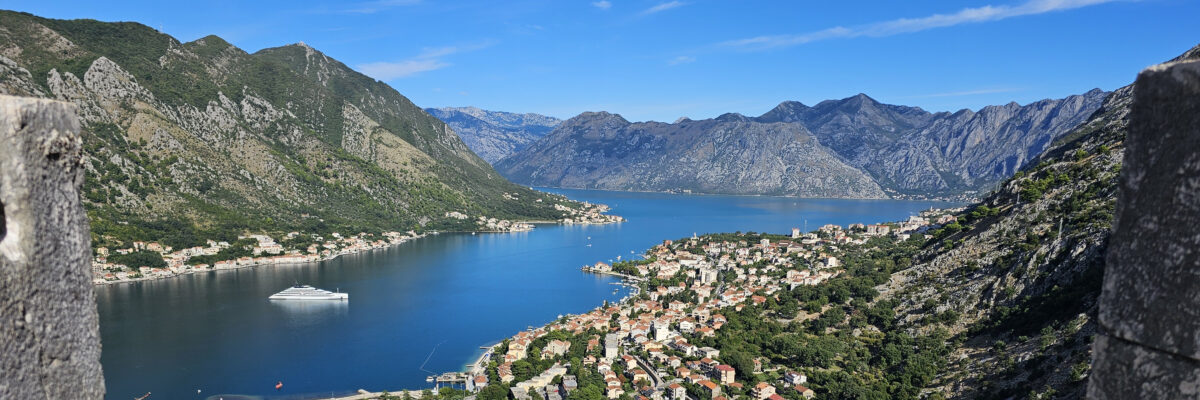
Formally Yugoslavia, and afterwards Serbia and Montenegro before its independence in 2006, Montenegro is blessed with Mediterranean climate and has an average 240 sunny days a year.
It’s located in four climatic zones meaning that even on a bright summer day you can still take a trip to a remote mountainous area and find snow.
Montenegro, which in English means “black mountain”, is home to the oldest olive tree in Europe which is estimated to be over 2,000 years old.
Over 60% of Montenegro has an elevation of over 1,000m above sea level. With a high altitude landscape, it not only offers spectacular views, but a place for outdoor enthusiasts.
Montenegro is a popular place for remote workers, offering affordable living costs for people looking to escape office life.
Budva
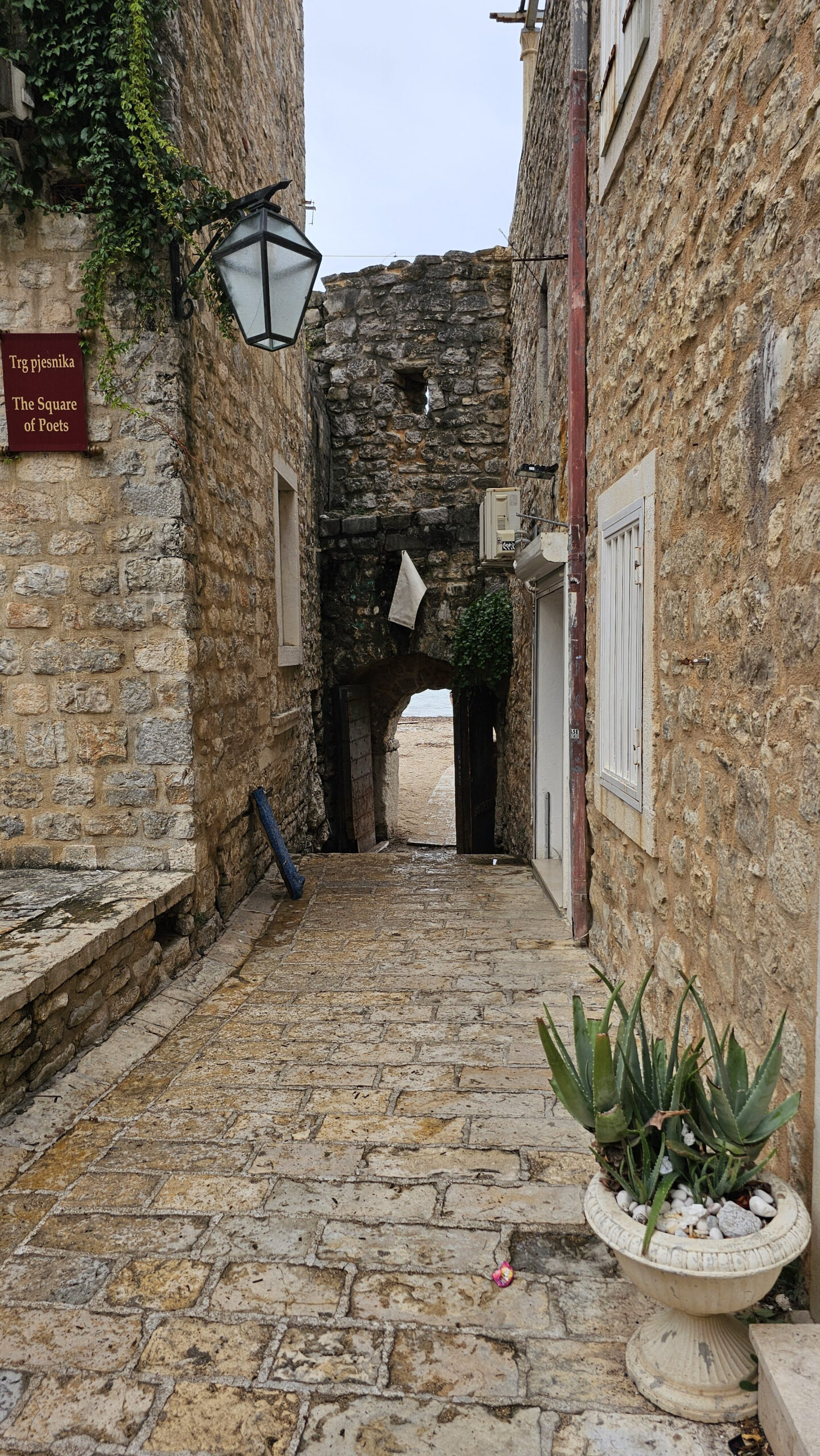
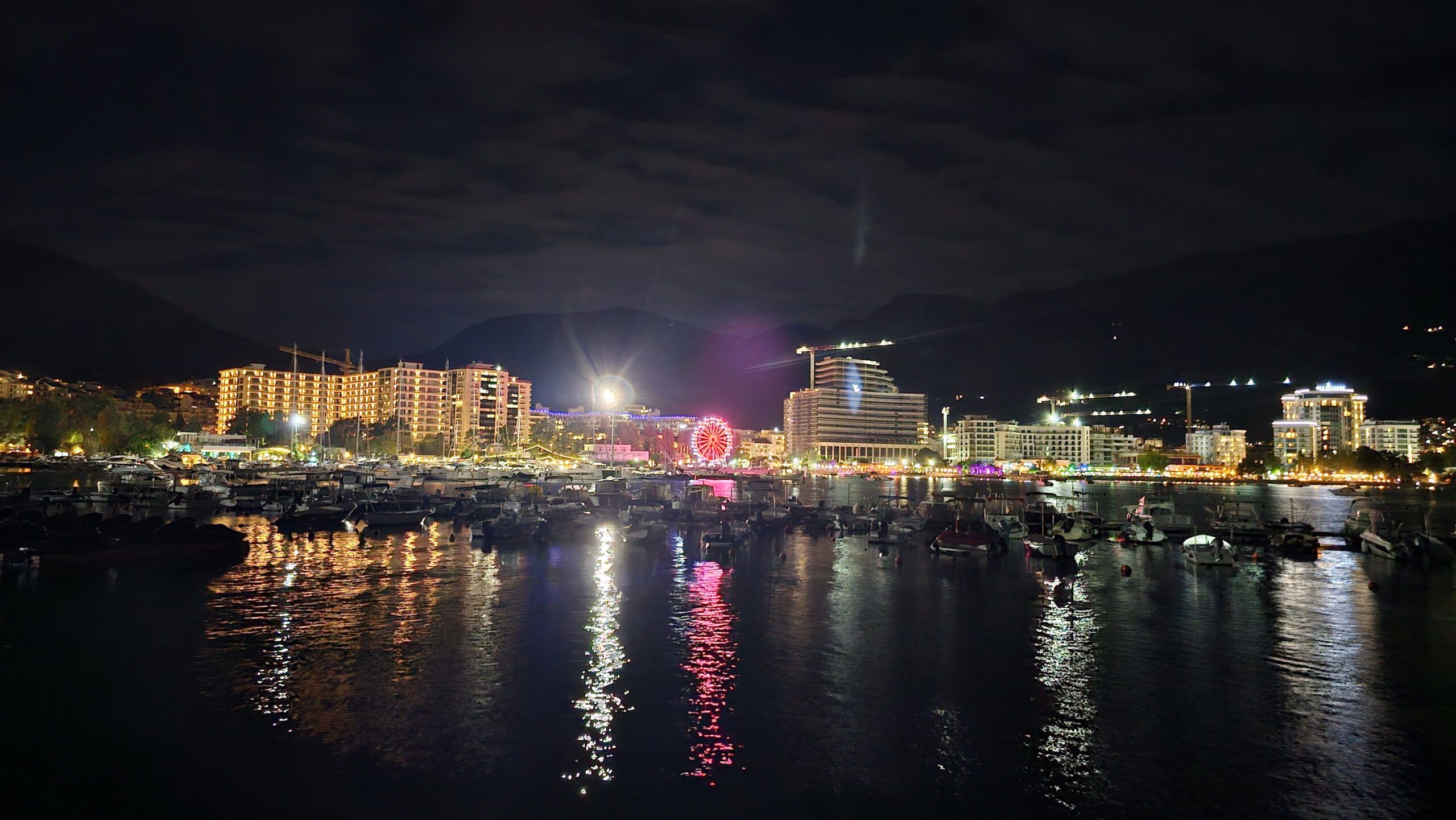
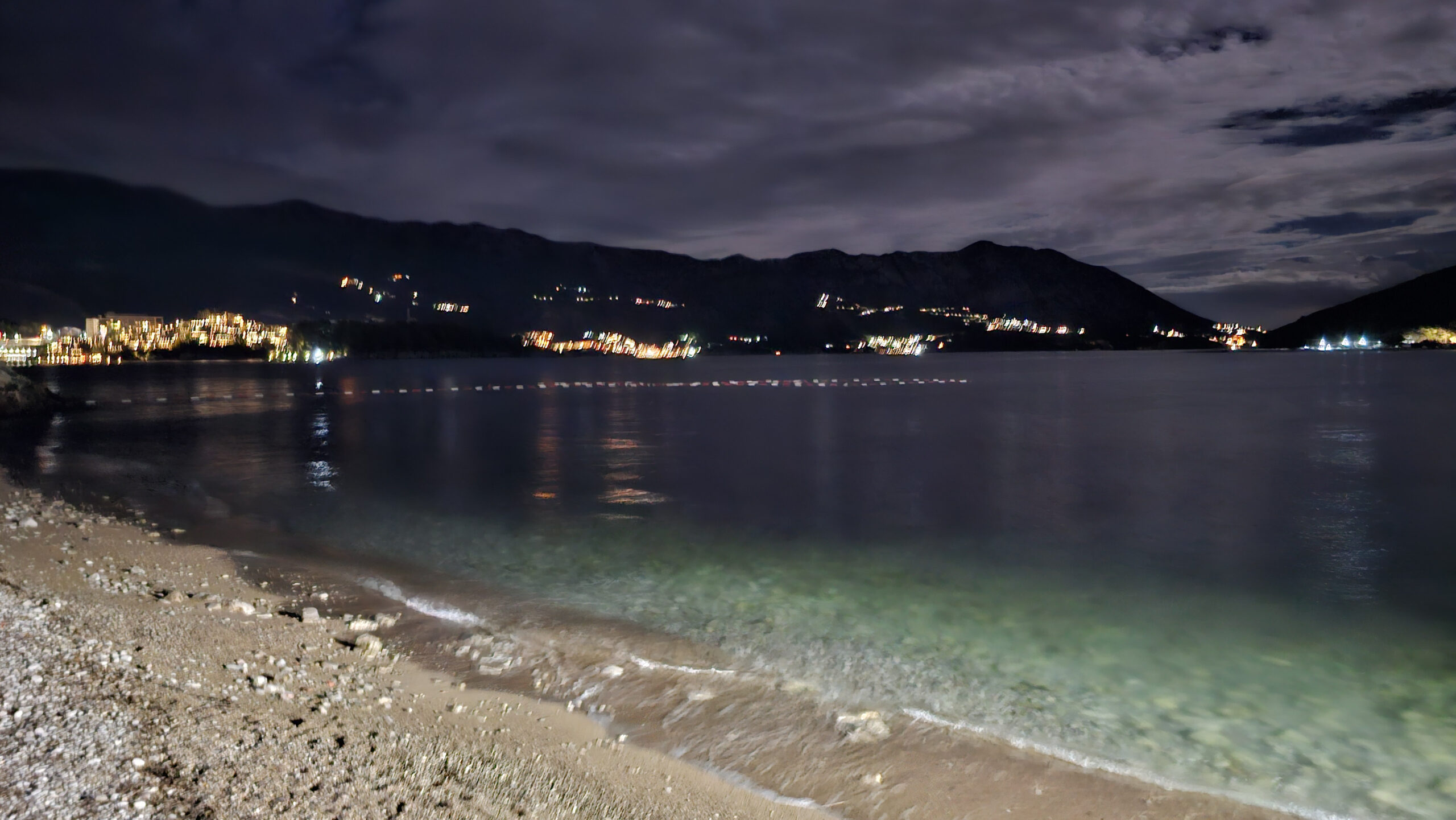
Known for its sandy beaches and nightlife, Budva is one of the oldest places in the Adriatic at 2,500 years old.
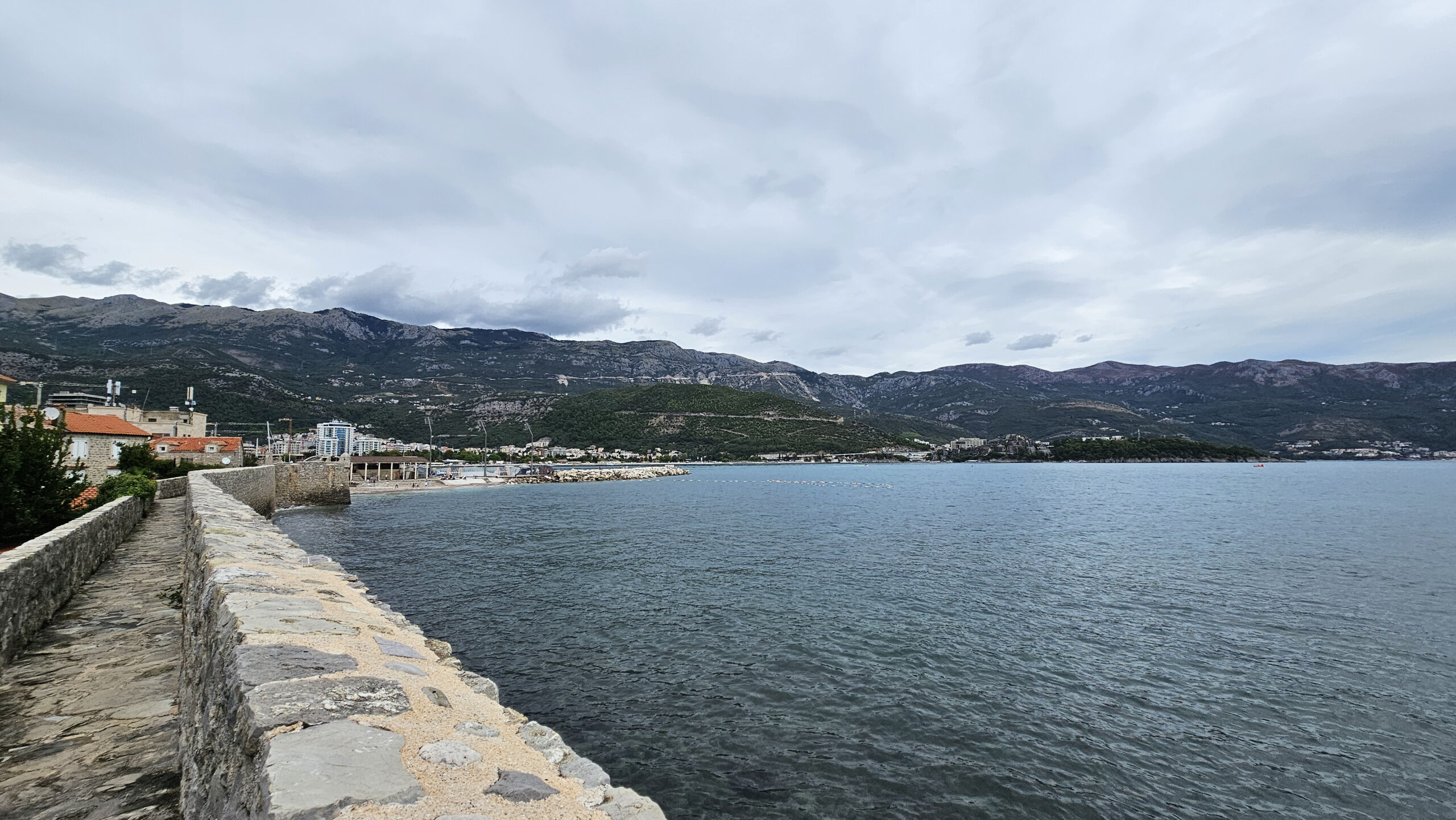
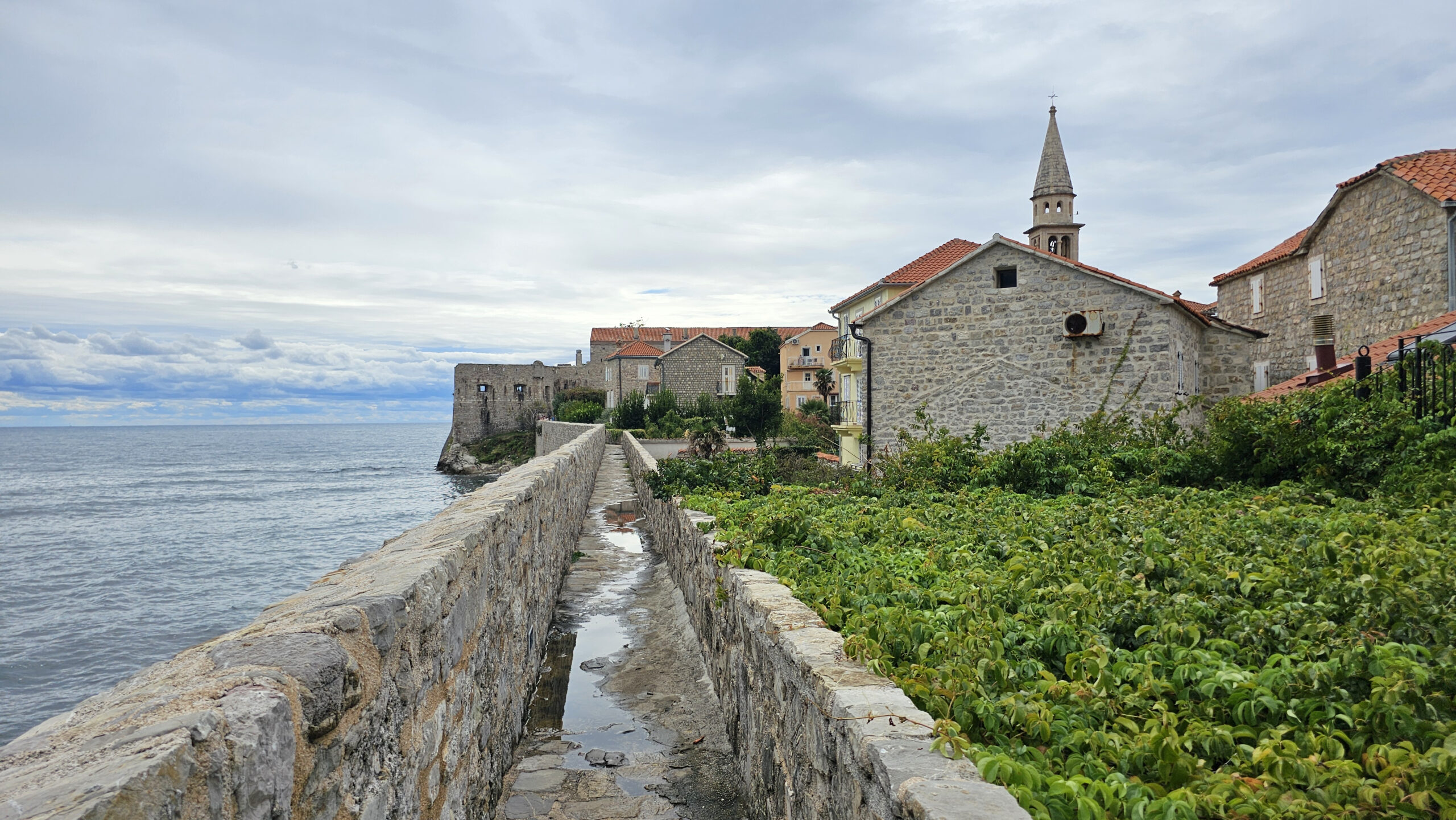
Budva’s old town sits on a rocky piece of land. The majority of the buildings and the city walls were built during the Venetian ruling. It’s believed people lived here before the Venetian era.
You need a day or two here. Once you’ve walked the cities walls, the old town and the around the bay, you’ve practically seen the majority of what Budva has to offer.
Although known for its nightlife, it’s not as chaotic as you’d imagine. It isn’t the busiest area of Montenegro.
Budva is a good place to base yourself. Accommodation is reasonable and it’s centrally located. The bus station connects the surrounding areas of Montenegro, and international routes including Albania, Croatia and Bosnia and Herzegovina.



Kotor
Kotor is a fortified town on Montenegro’s Adriatic coast and has more cats than people. There’s even a cat museum.
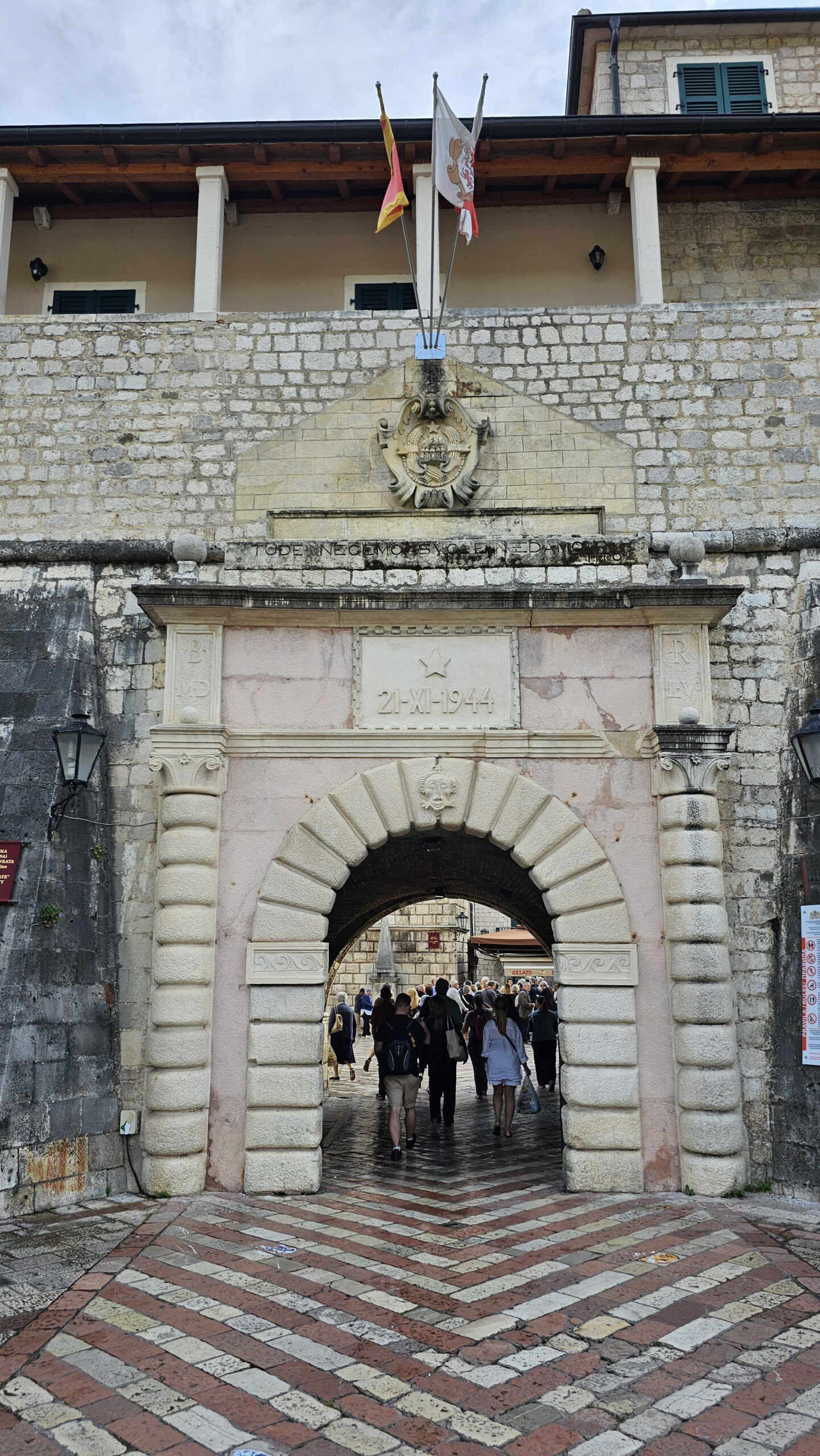
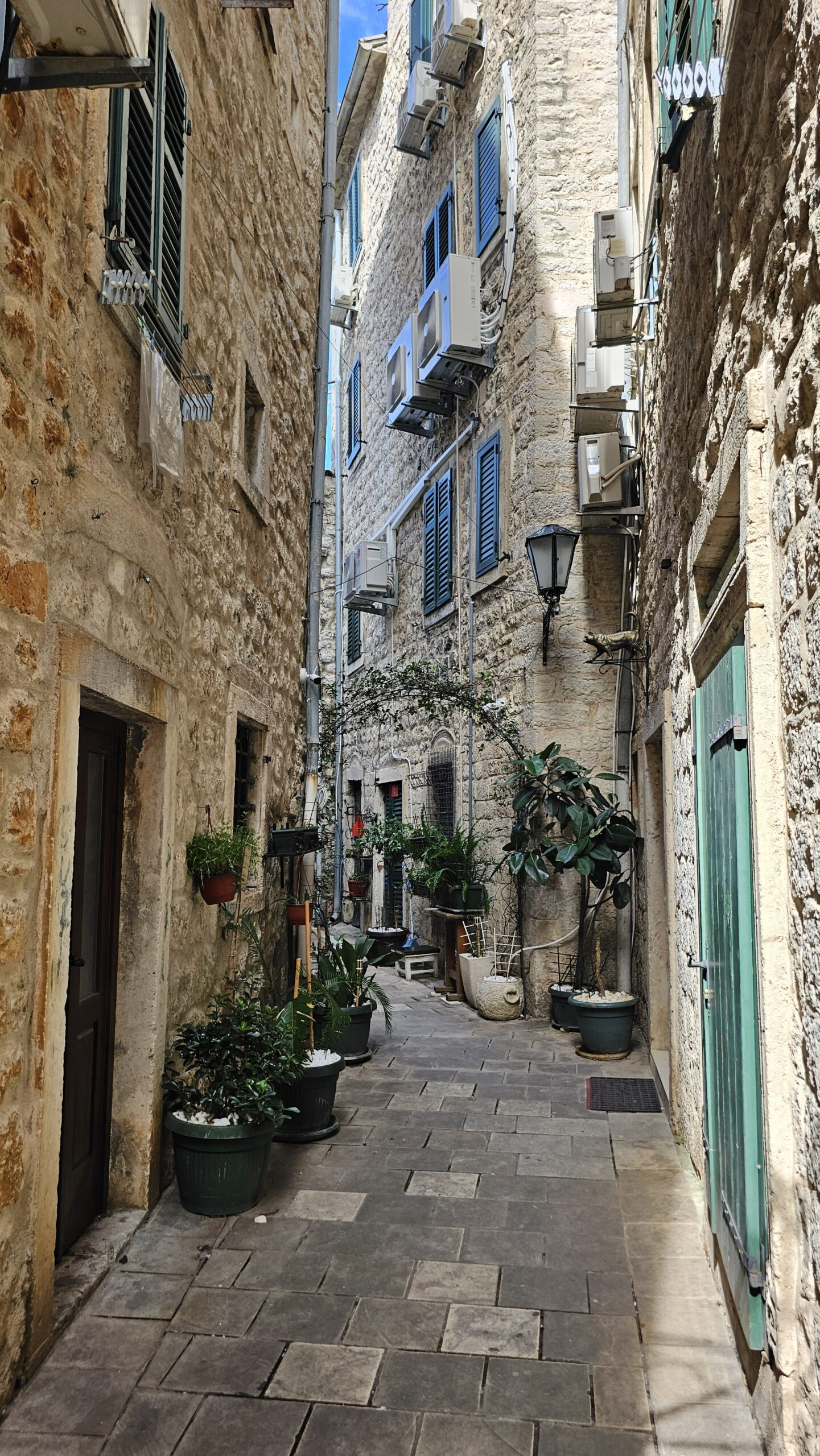
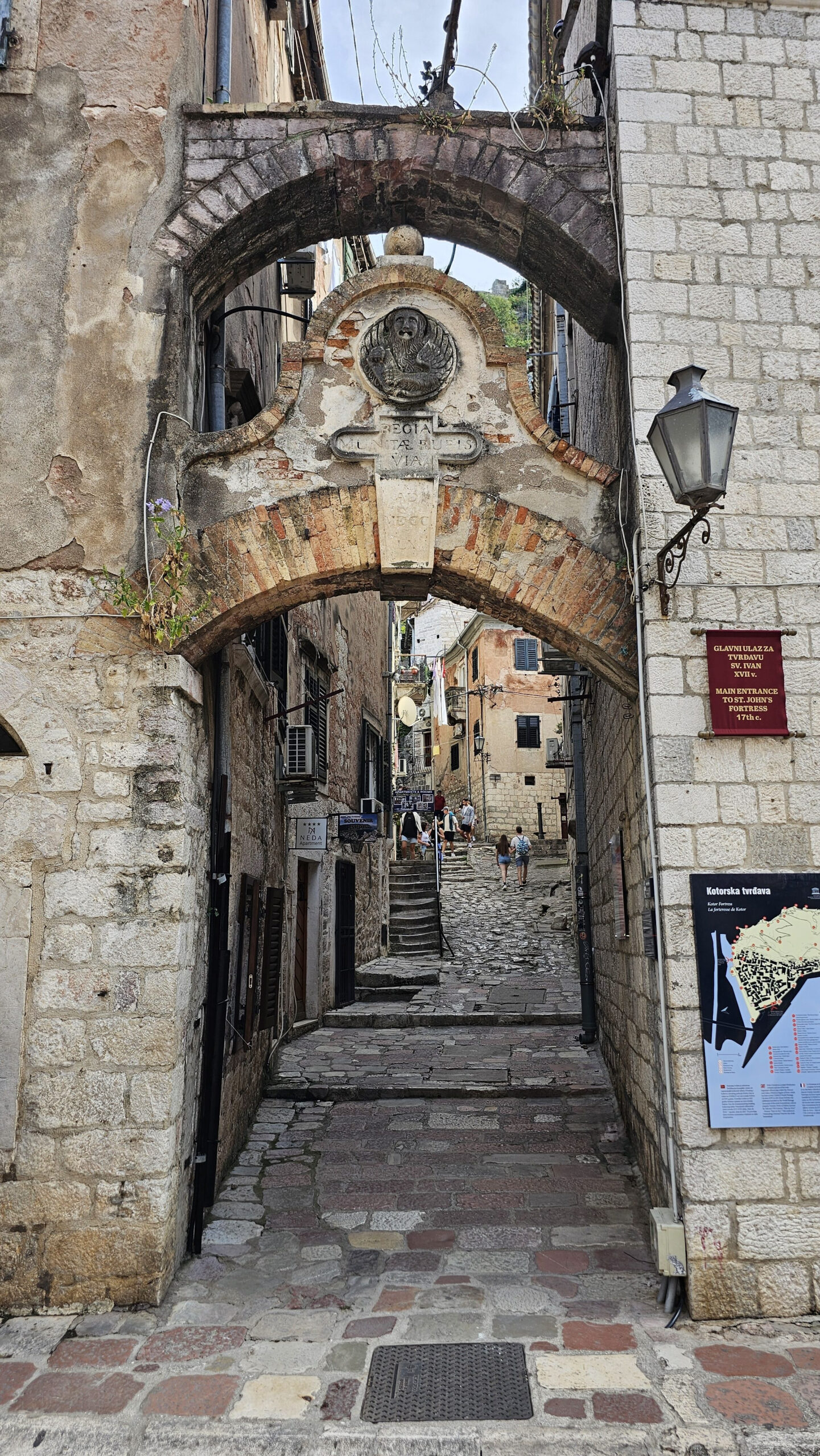
Characterised by its old town and winding streets, Kotor is more than 2,000 years old.
It’s the most popular place in Montenegro. From 9am it’ll be packed in the entry of the old town with all the tour groups who seem to congregate at the same time.
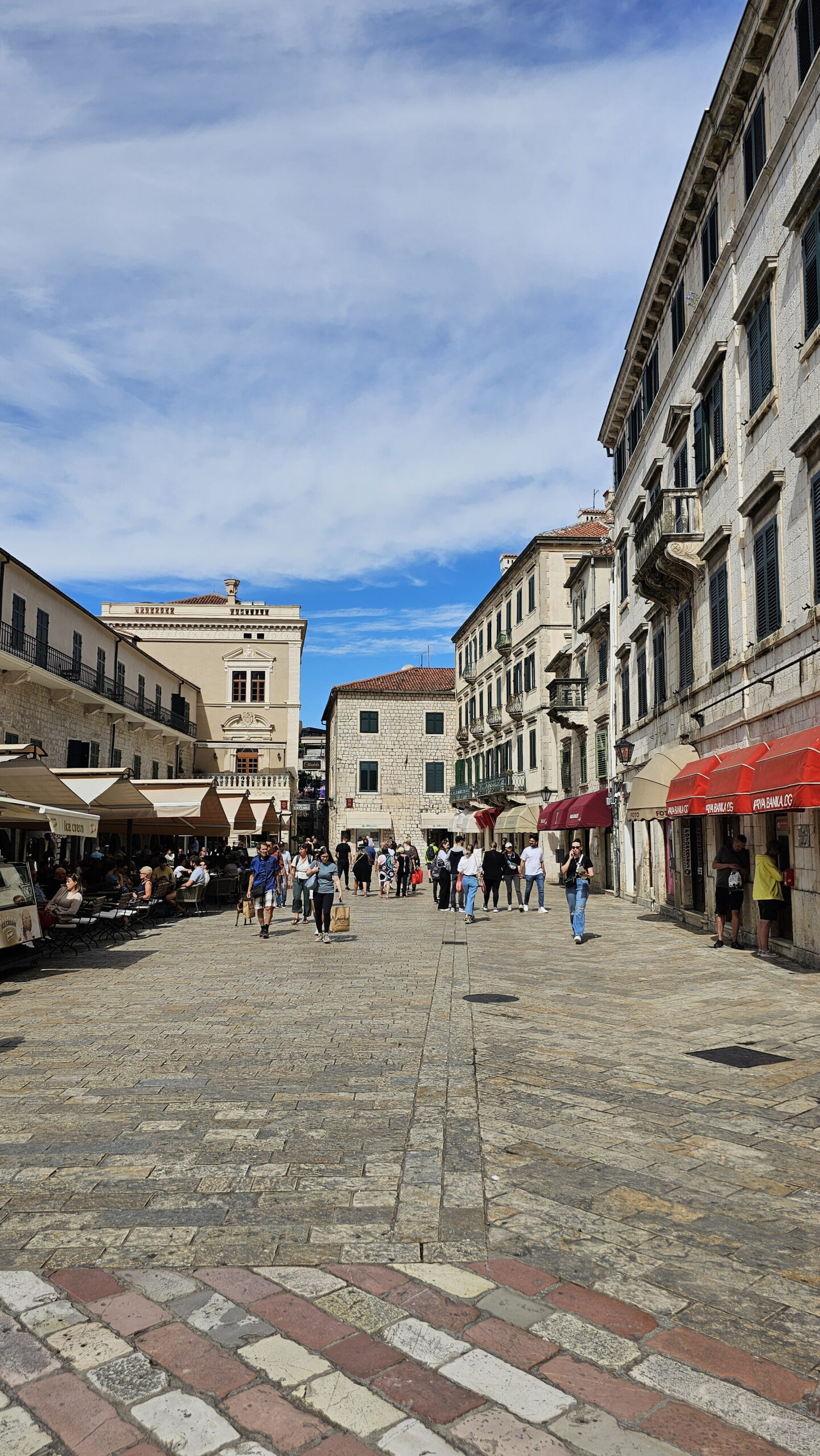
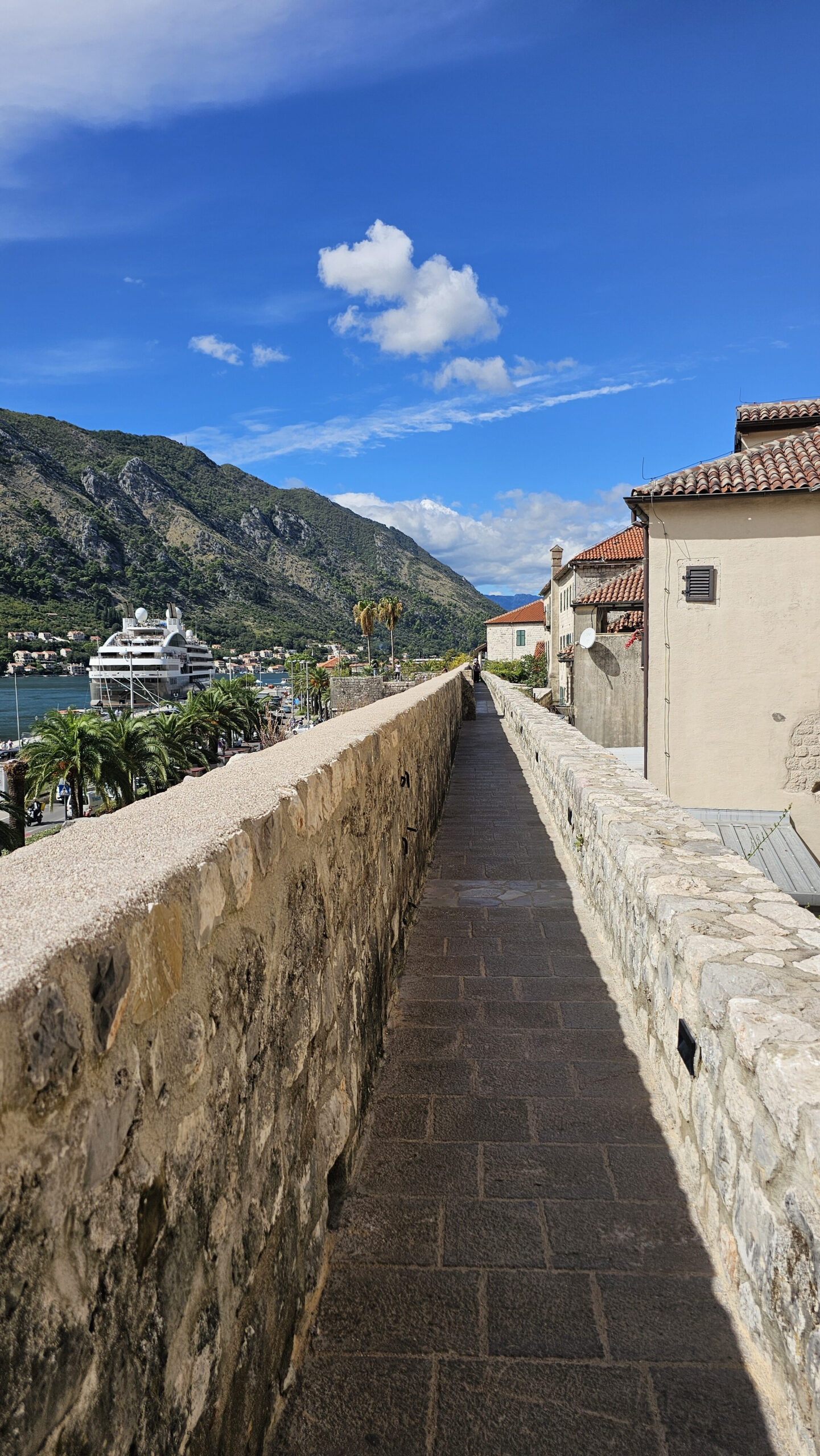
Beautiful architecture line the streets and alleyways of the old town. Old churches, bars and restaurants around the corner where ever you are. And you’re greeted with good views when you walk the city walls.
As far as staying here you can look at it in two ways, yes basing yourself in Kotor is ideal because you’re on the doorstep of the place everyone wants to visit. But if you’re budget conscious, it will be more expensive than anywhere else in Montenegro.
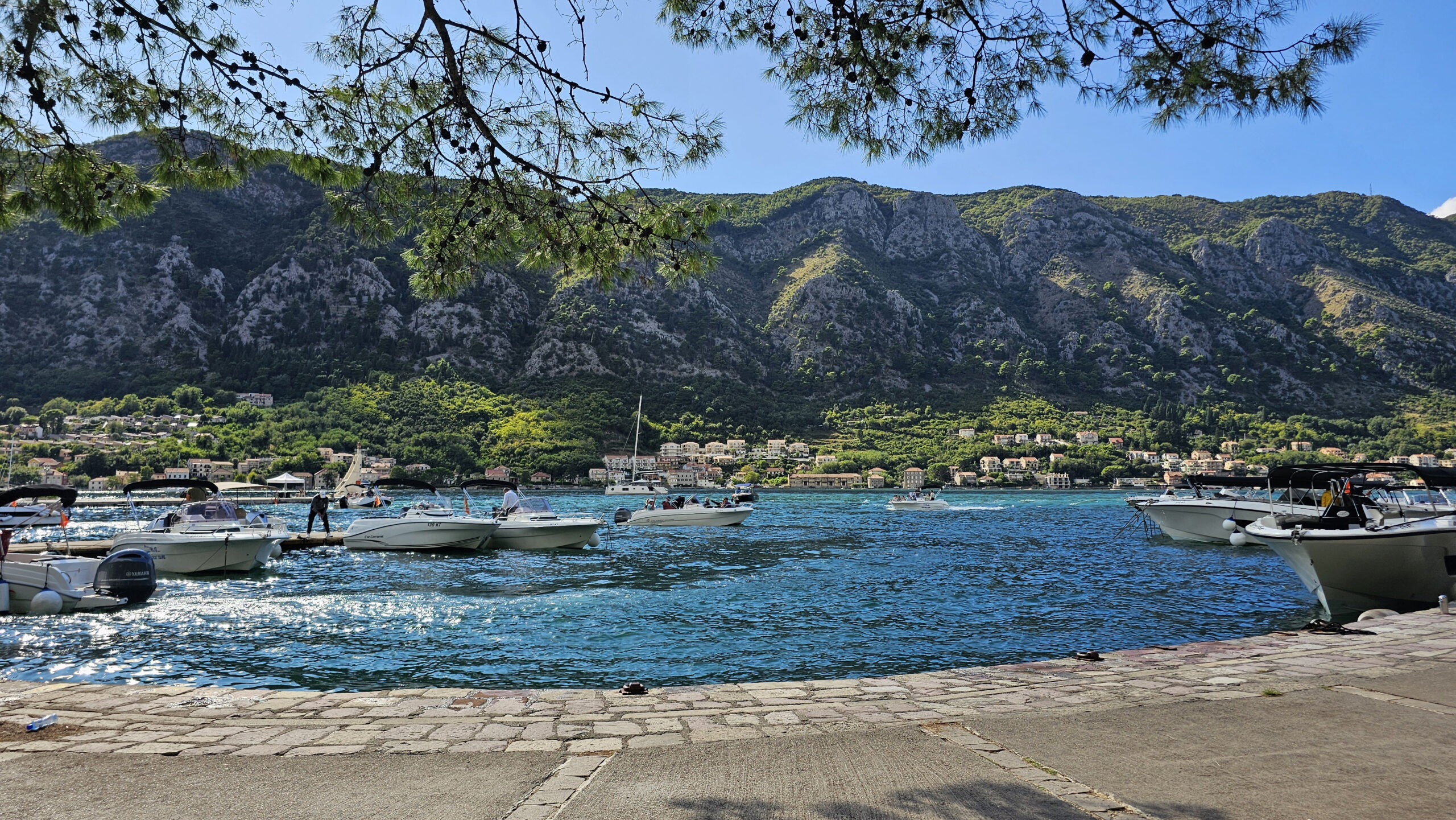
Apart from the old town, you’ll find plenty of people along the harbour or hiking on one of the trails.
Hiking
Speaking of hiking, there are two popular trails you can do in Kotor.
The Walls of Kotor
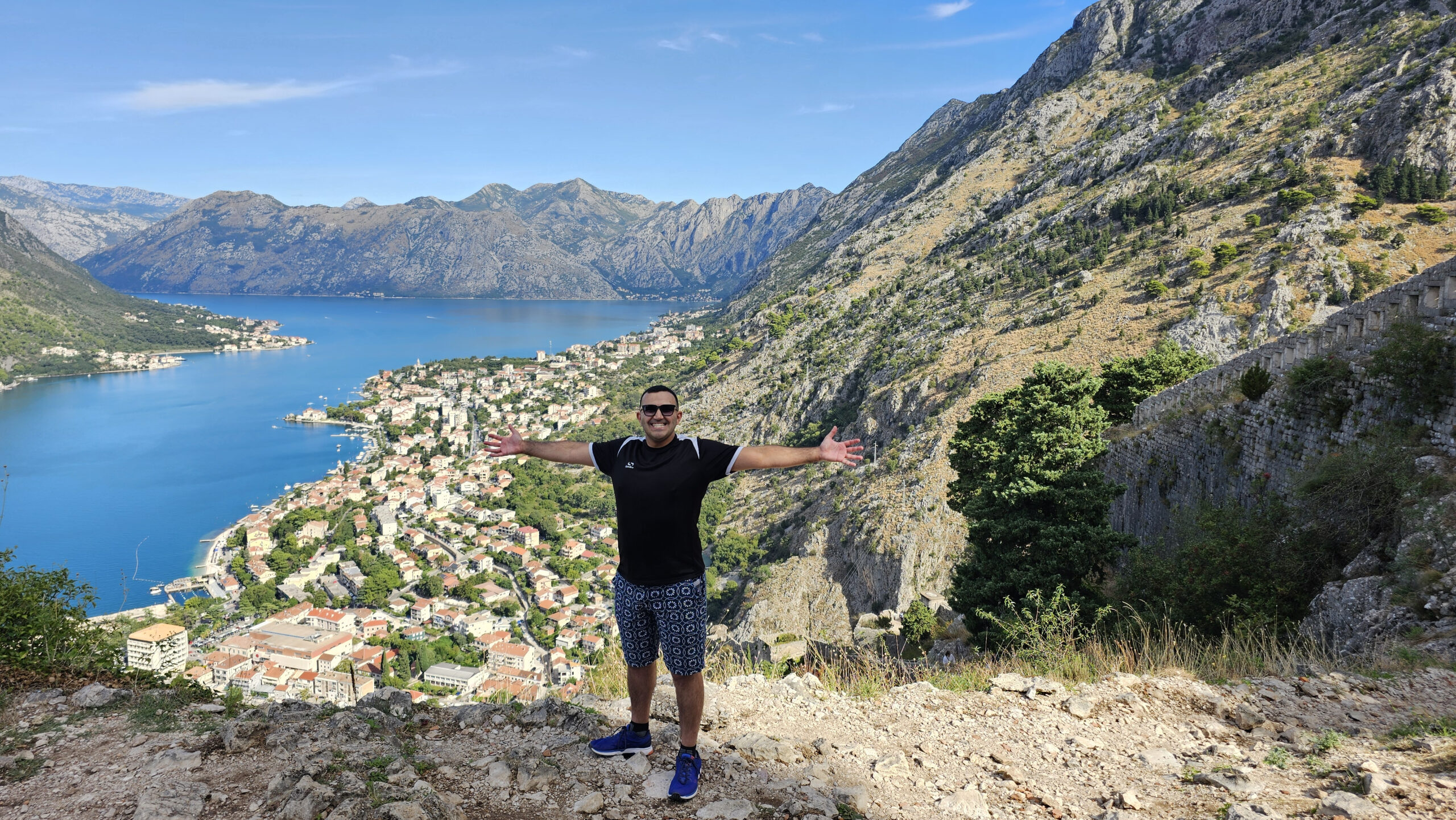
The Walls of Kotor hike starts from Kotor’s historic fortification up to St John’s Fortress. The path is over 1,300 steps and the entry fee of €15 from 8am – 8pm.
If you come outside these hours, it’s free. There’s also another entrance at the North River Gate which eventually intersects.
This is popular with tourists. The hike to the Fortress takes around 25 minutes and there’s a Church half way up.
You don’t need to be a serial hiker or the fittest person in the world to do this one. The majority of the hike is fine. Obviously you need to consider your health before going on any hike.
There are cobbled steps which are fine for the most part. Just watch out towards the end of the trail.
Once you’re done with taking pictures of the views and go back done, you can continue exploring the old town.


The Ladder of Kotor
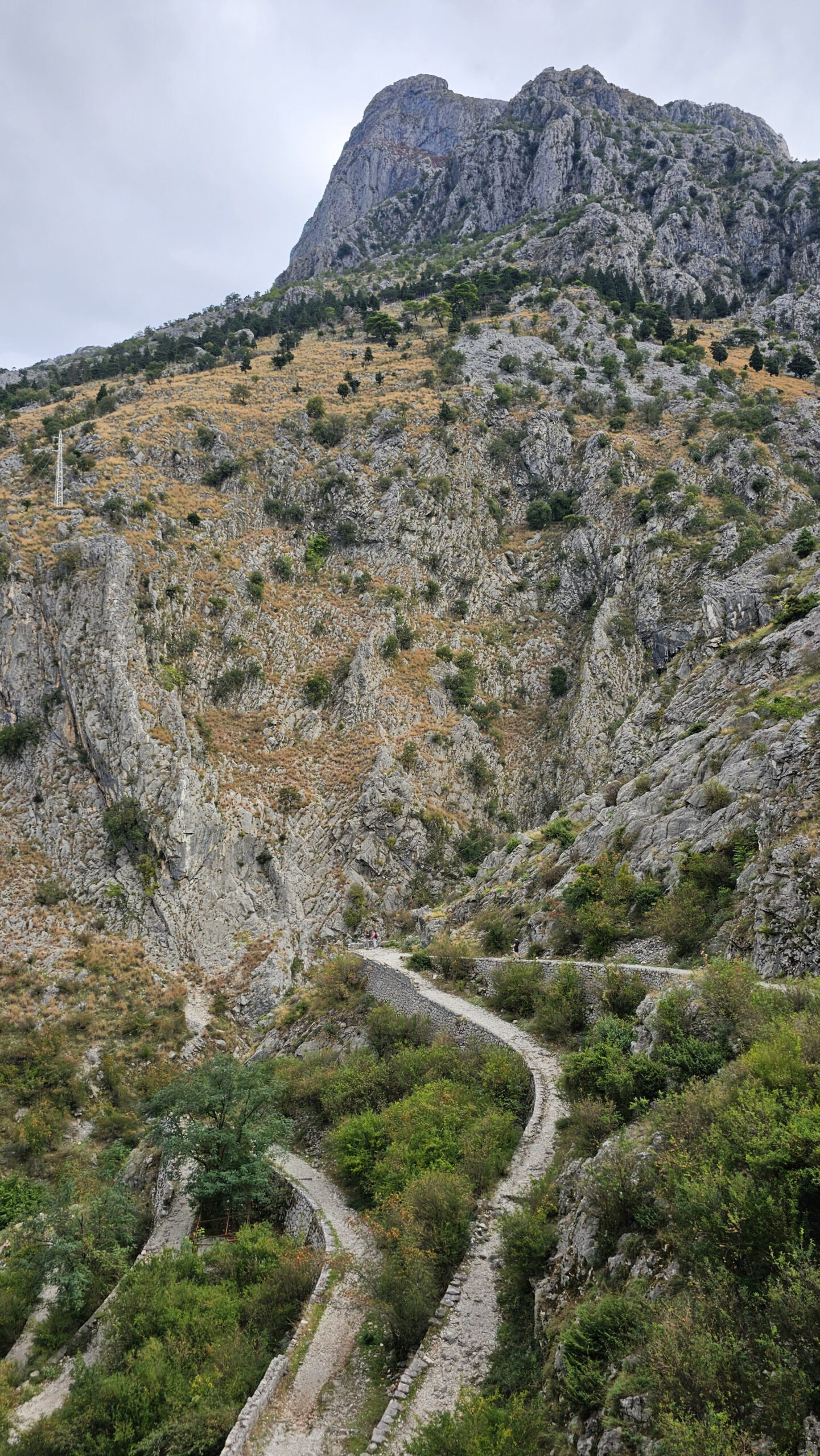
If you want something more challenging that takes longer but worth the reward, you have the Ladder of Kotor. It has 72 switchbacks and starts right north of the old town. It’s a less busier alternative to the Walls of Kotor. You might see some goats while you here.
This trail was once a trade route with mules carrying goods from the coast, and ranchers herding livestock from Kotor, to the village of Njeguši and the city of Cetinje (the former capital of Montenegro).
To reach the start, head out of the Old Town, through the River Gate, cross the bridge and continue along the road, passing by houses and the Pekara bakery.
If you’re hiking the Walls of Kotor, you can connect through a window in the wall near St John’s Fortress to join the Ladder of Kotor.
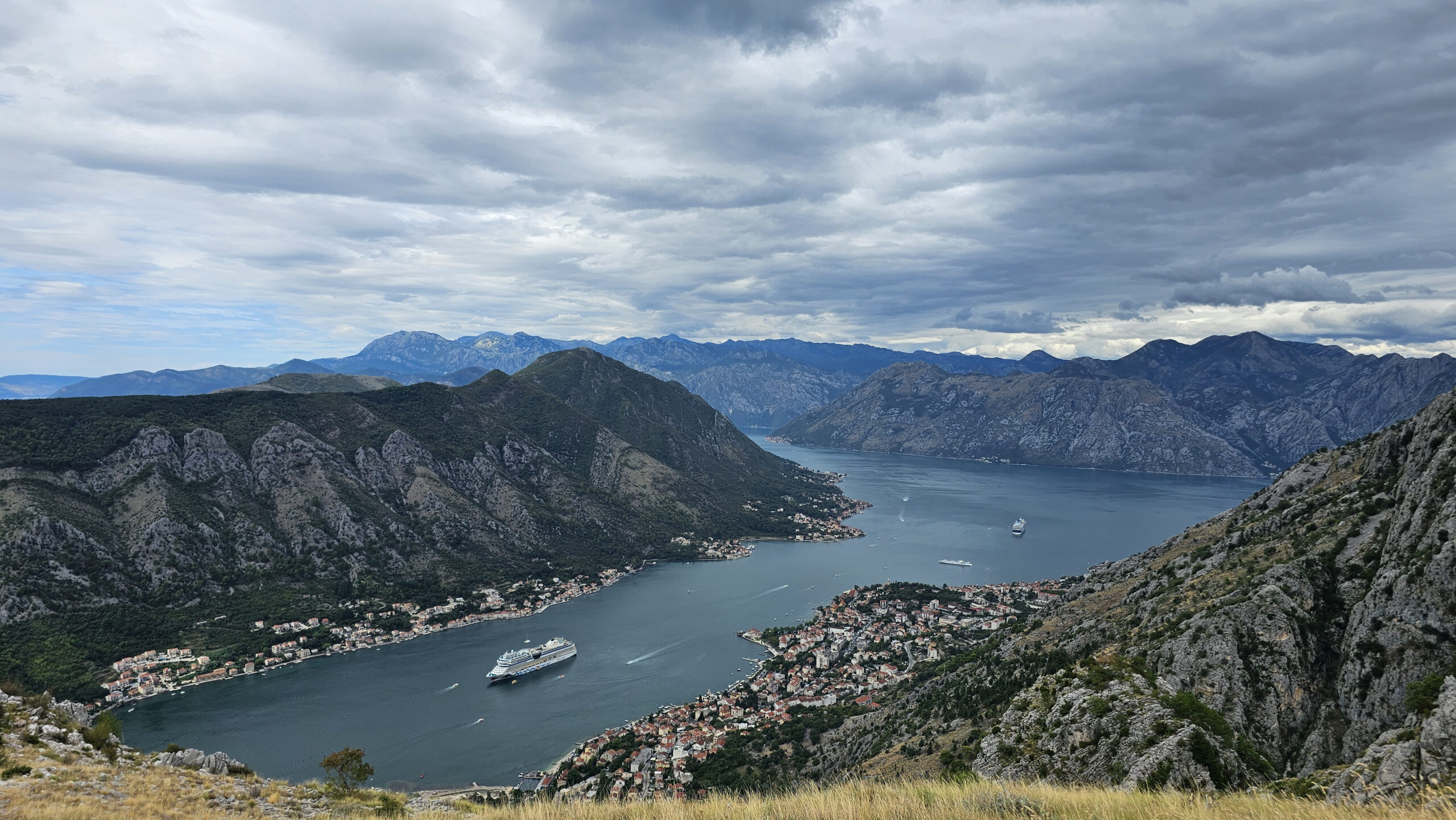
I went as far as the scenic viewpoint sign which took around 90 minutes. It’s considered part 1 of the hike. This marks the end of the consecutive switchbacks where you see a beautiful view of Kotor and the bay. There is a second part of the trail which takes you through the forest to the P1 main road until you reach Restaurant Navjesta Jadrana.
Originally I intended to go all the way. However due to a mishap at our accommodation block, I got to the start of the trail later than I’d have liked. Our accommodation block was locked overnight (we didn’t find out until the morning) and none of us staying here could get out (including people needing to check out to get to the bus station).
It turned out some dip shit who stayed here late the previous night (he knew the guy managing the accommodation block) had the main key and decided to lock the main door and only opened it when he left. I didn’t mind sacrificing the rest of the trail which would have been about 45 minutes to an hour from the scenic viewpoint.
You’d either need to have a pre-booked taxi to go back to Kotor to extend the hike until you reach the cable car. I was more than happy to go back down the trail with the assistance of gravity.

Perast
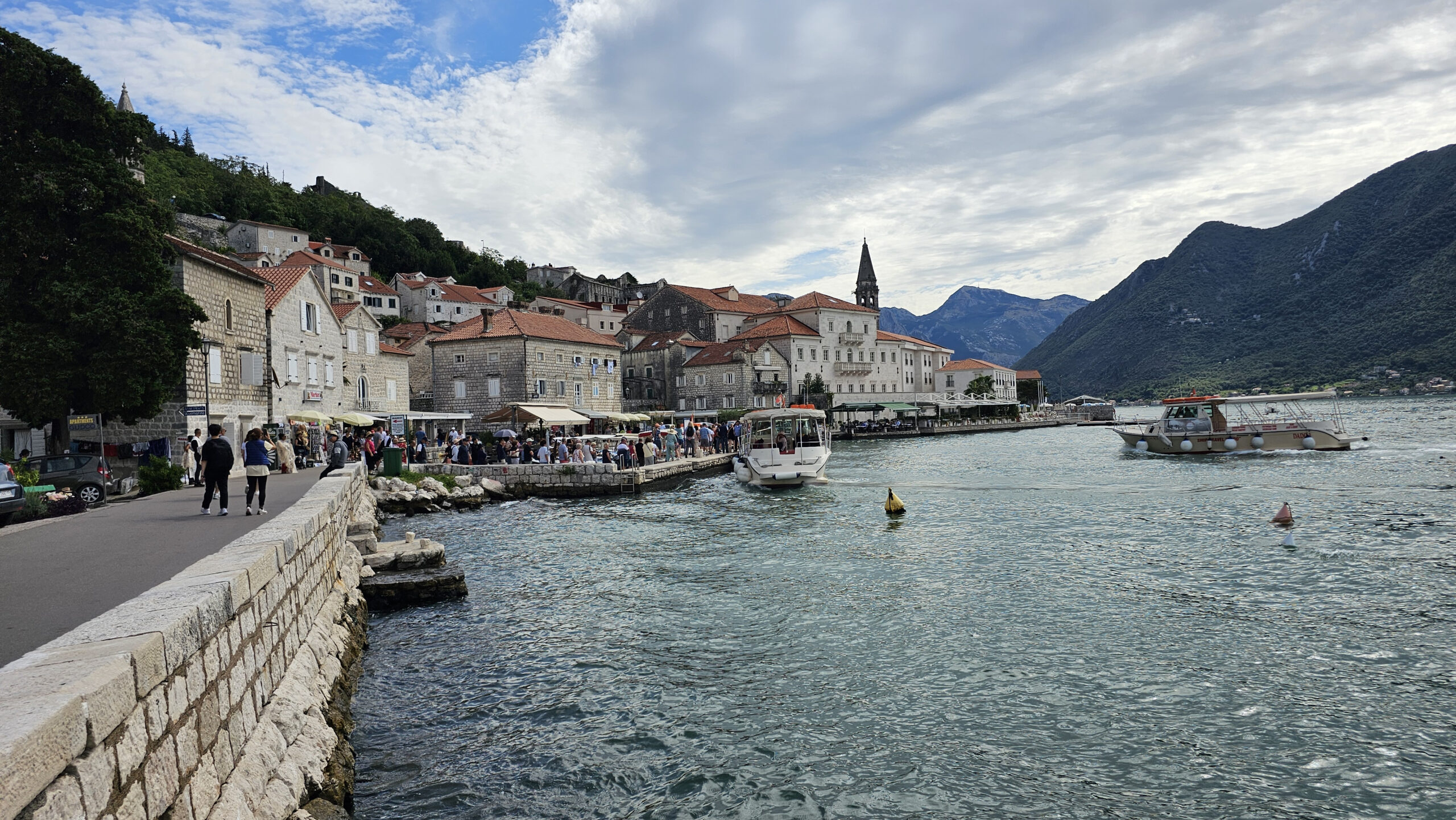
Perast is a small town with less than 300 inhabitants. It’s less than 10 miles from Kotor along the coast and to walk the length of Perast is roughly 1.5km.
It’s the perfect place to escape the crowds in Kotor.
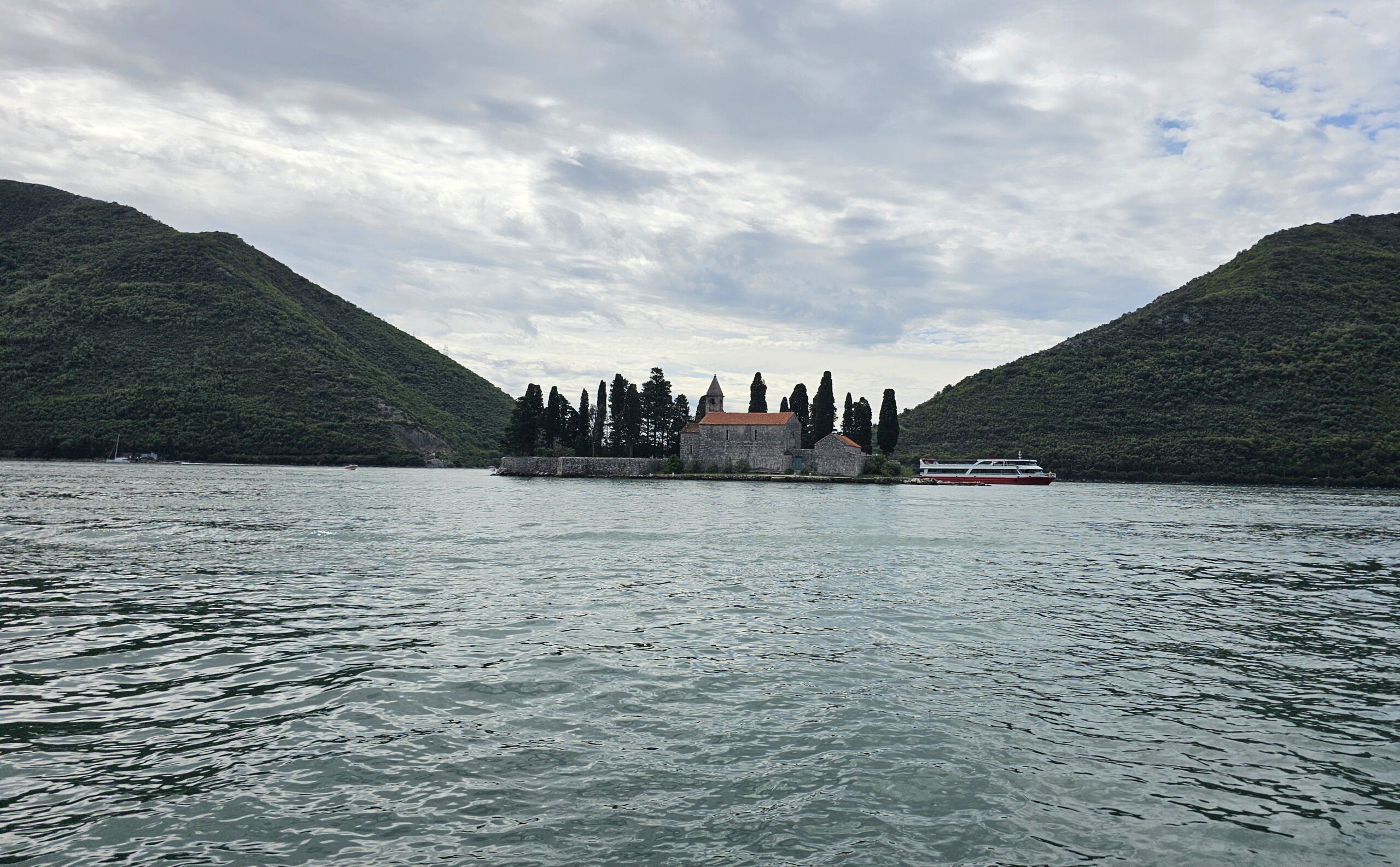
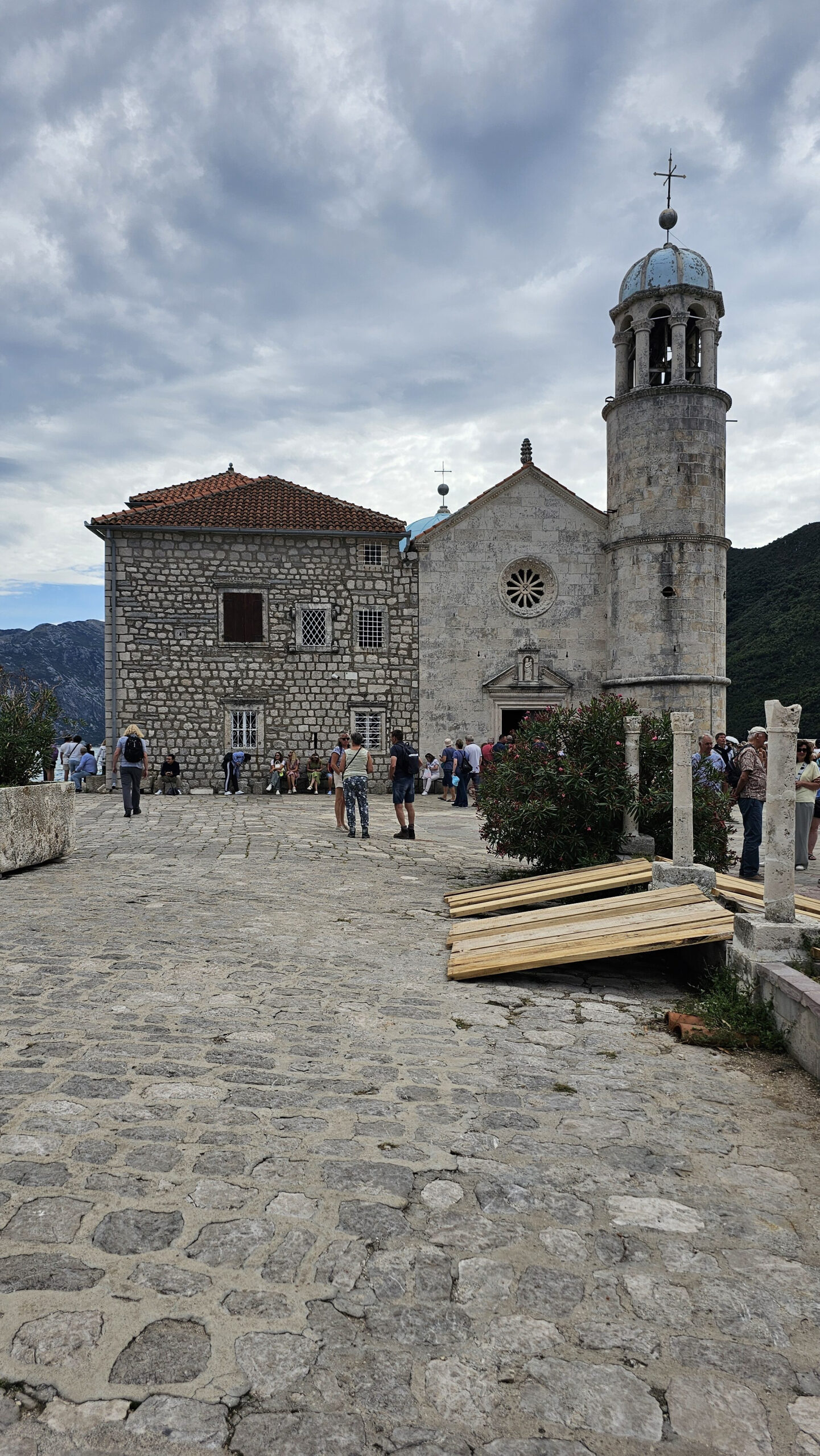
If you visit Perast, take a trip to Our Lady of the Rocks Church. It’s located on a artificial island which you can reach in 5-10 minutes by a taxi boat, you can see it from the mainland. There is another island (which I didn’t visit) called St George which is off limits to visitors.
Typically a taxi boat will give you 45 minutes to an hour to walk around and take your photos of the Church and the rest before taking you back. Crowd control is a bit of an issue considering the modest size of the island.
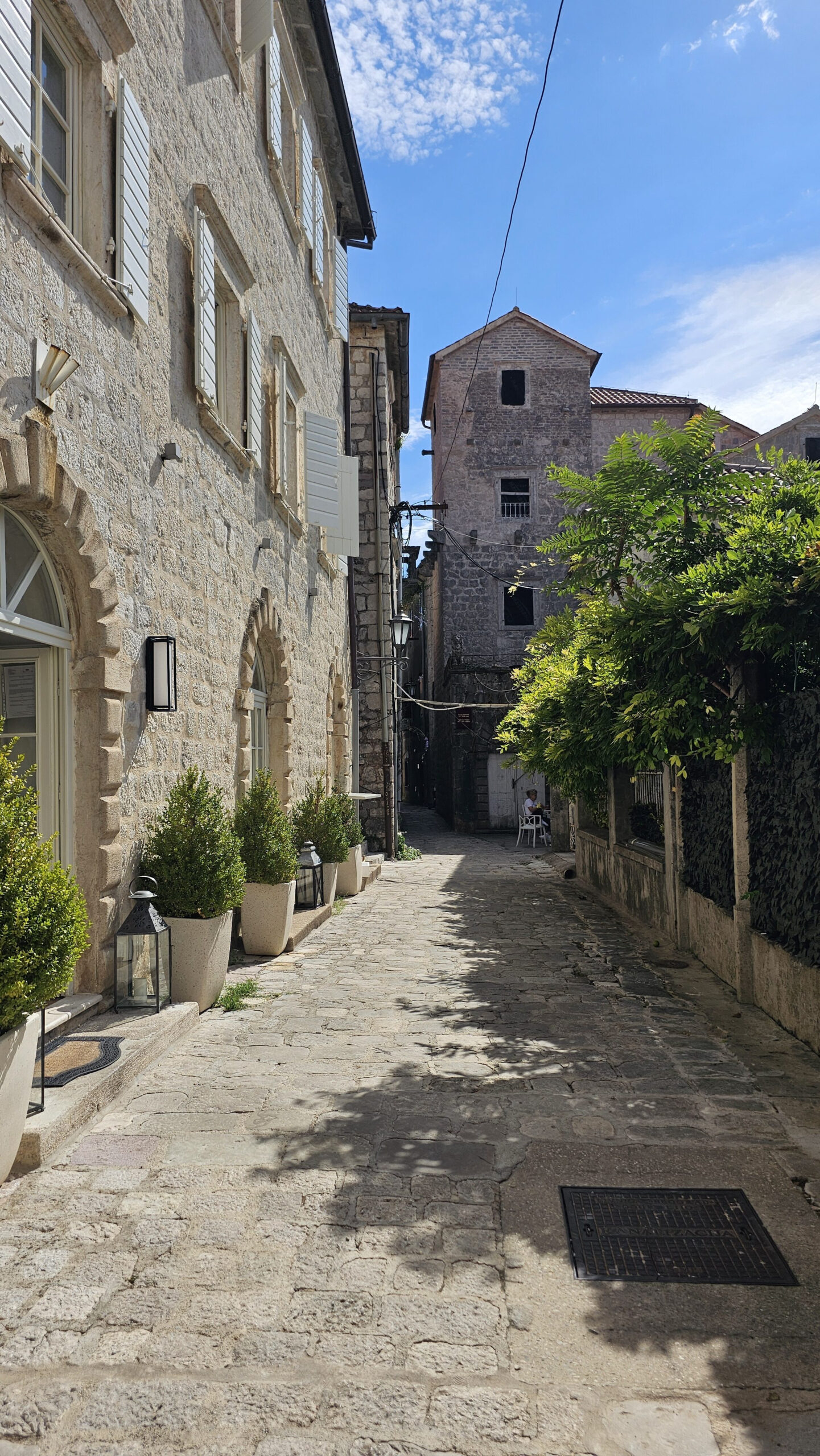
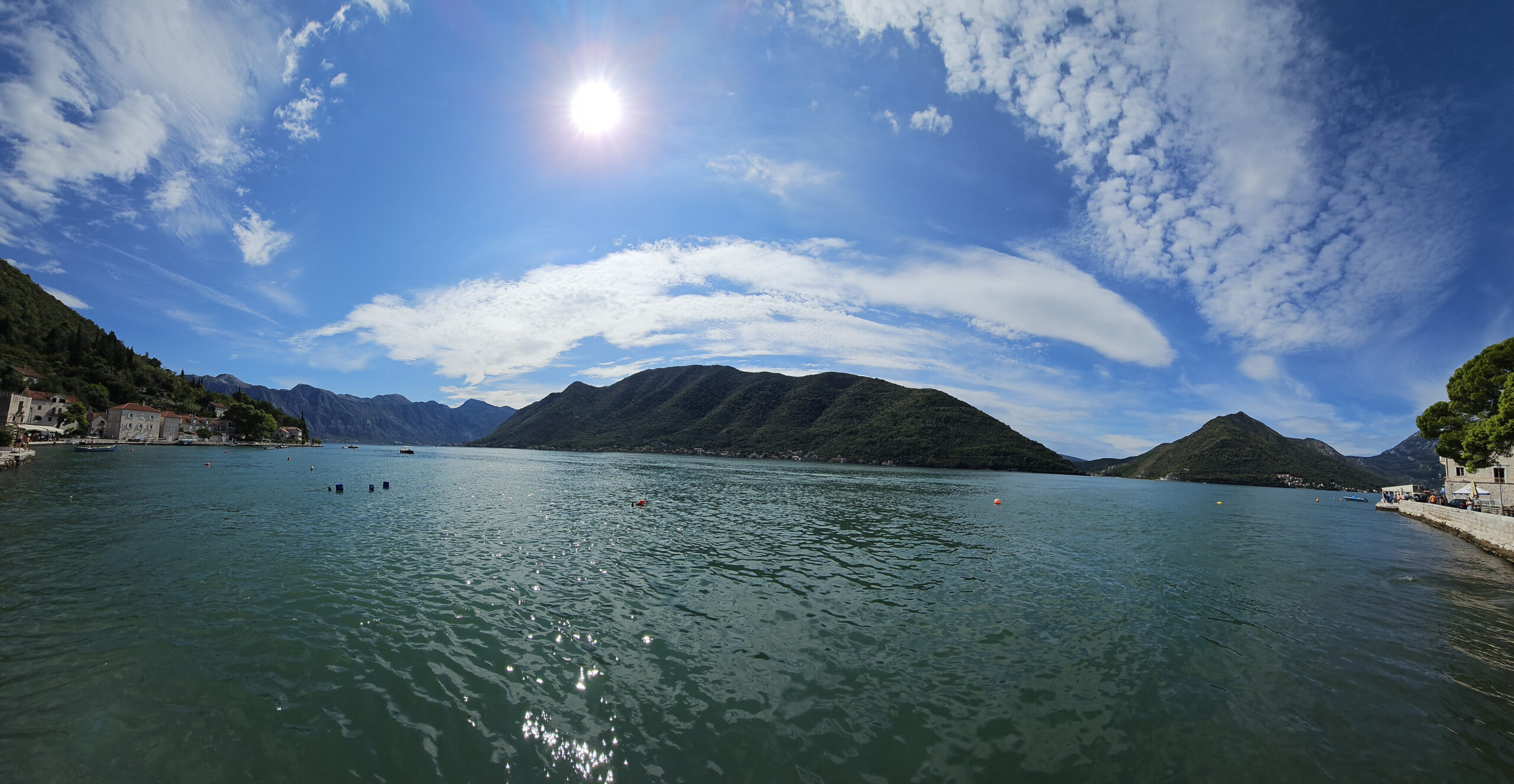
Apart from visiting the Church, walk along the harbour and enjoy lunch at one of the restaurants with a view of the bay. Rather than sticking to the main road, walk through the small backstreets and admire some of the 16 Churches and 17 Baroque Palaces amongst the architecture you pass.
It’s a beautiful town to visit which doesn’t need a full day, unless you wanted to stretch out your stay.
Getting here is easy. Even if you don’t have a car, there’s the blue line bus that goes from Kotor to Perast every hour.




Ah Montenegro, what a beautiful country you are.
The architecture, nature, food, people and more. There are many reasons for the increase in tourists year on year.
You’ll be fine getting by using buses. Just double check timings because buses aren’t the most frequent here.
If you want to explore the mountainous areas and places such as Durmitor National Park, you’ll need a car rental. I’ve always been an advocate for the convenience of a car when travelling because it gives you extra options.
Five days is a good amount of time to spend here. Even a week here is fine if you’re including trips with a car rental. If you’re travelling for an extended period, you can combine a visit to a neighbouring country.
One tip, make sure you bring enough Euros with you. ATM machines will charge for you to withdraw cash regardless if it’s a bank’s machine or a Euronet cash point.